
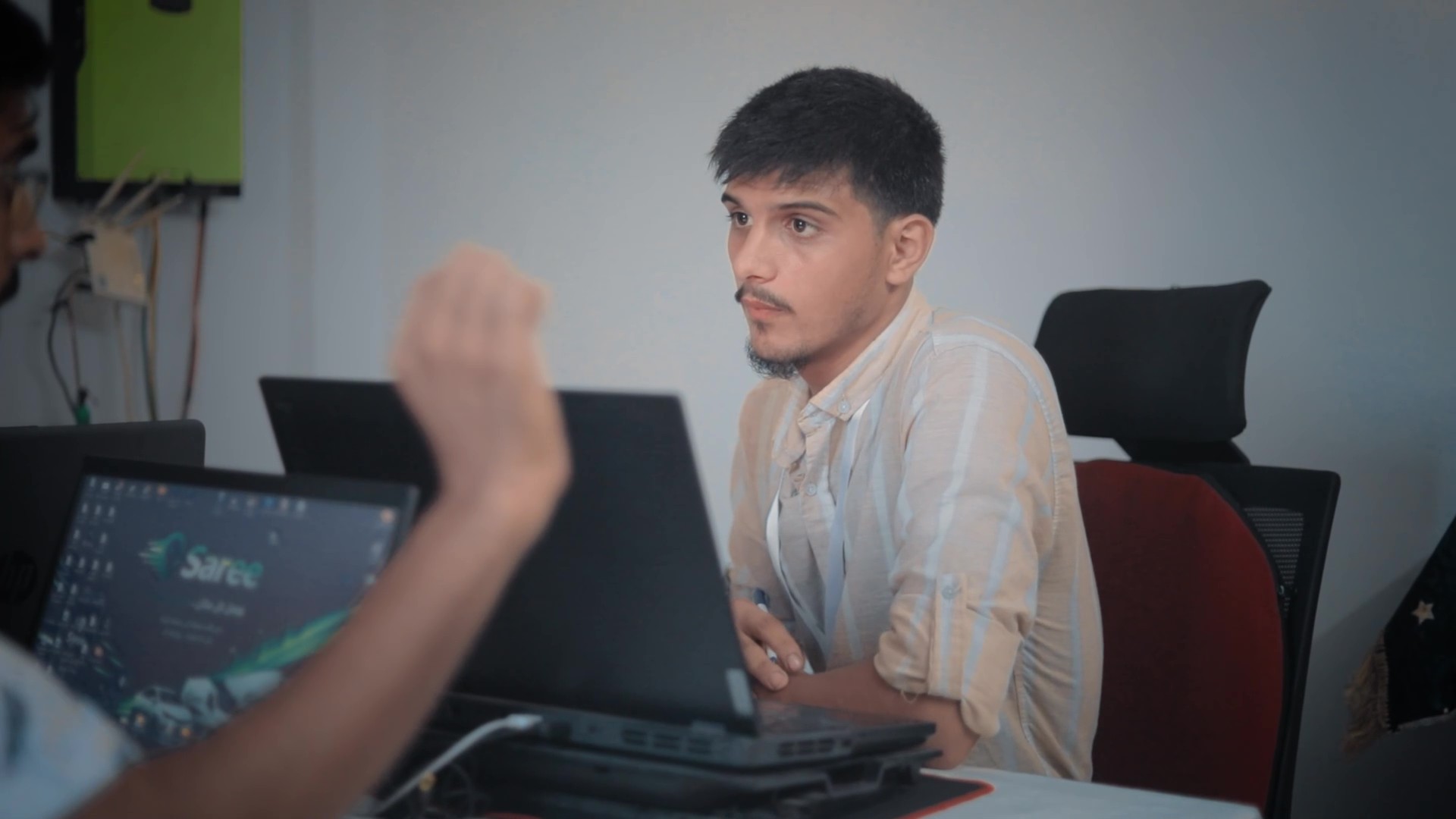
"I am proof that war can take everything, except the ability to build"
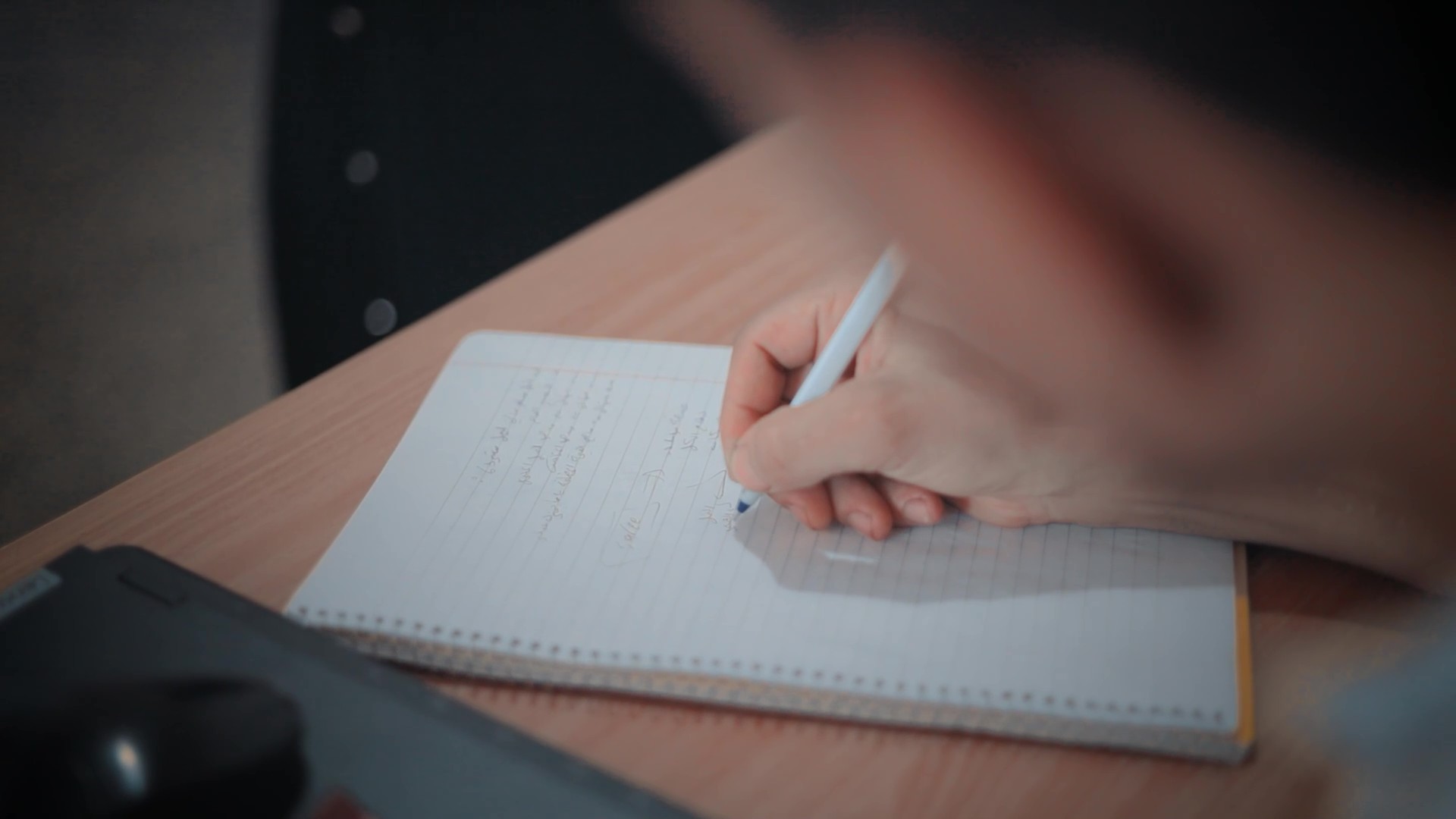
When the electricity cuts out, Ahmed Osama Al-Hayek doesn't stop working. He picks up a pen and a sheet of paper and keeps writing code, line by line, to type in later once the power comes back.
"Every line of code I wrote on paper because the electricity was cut, every idea I gathered on my phone while displaced, was a message that I still exist, that I still have something to give, even in the middle of a crisis."
Ahmed is 26 years old. He lives in the Al-Mashahra neighbourhood of Tuffah, in Gaza City, in the same family house he grew up in, or what is left of it. He graduated in 2026 from the University College of Applied Sciences (UCAS), trained as an AI engineer, and, before the war, worked alongside his father as a plumber to help cover the cost of his studies.
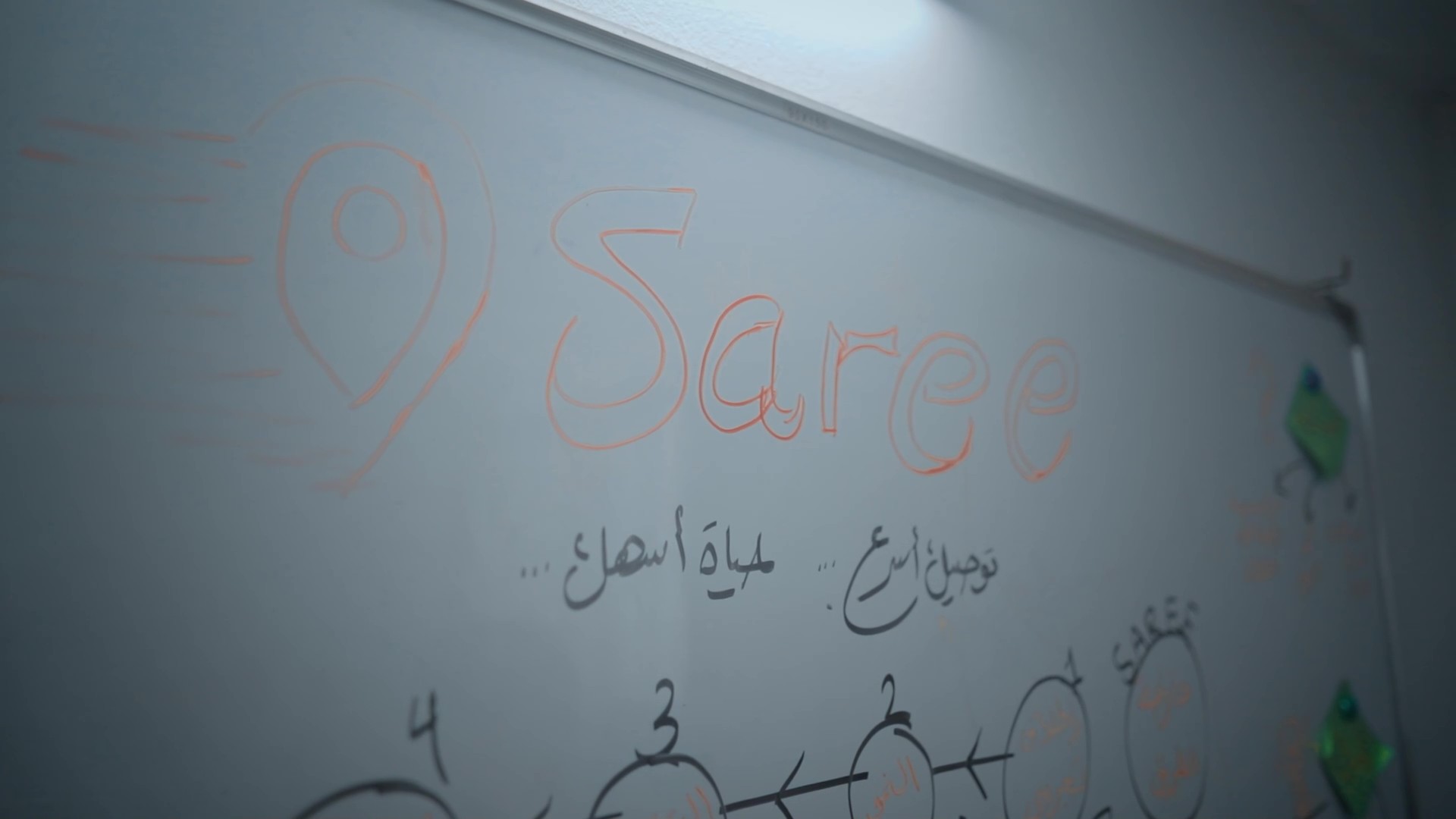
Today, he is building a delivery platform called Saree, Arabic for "fast," and pitching a vision that reaches far beyond Gaza's borders. This is his story, in his own words.
Where the Idea Came From
The idea for Saree came from my own frustration. I'd want to order something and not know where to turn. There was no single platform pulling all the options together. At the same time, I saw how many young people around me owned a bicycle, a motorbike or a car but had no steady income. And I saw drivers on existing delivery services lose track of orders during busy periods because there was no clear system for following an address, a request, or even a simple way to reach the customer.
Those two problems, a broken delivery experience and unemployed young people with unused assets, felt like one problem to me. Saree is the answer I built to both at once.
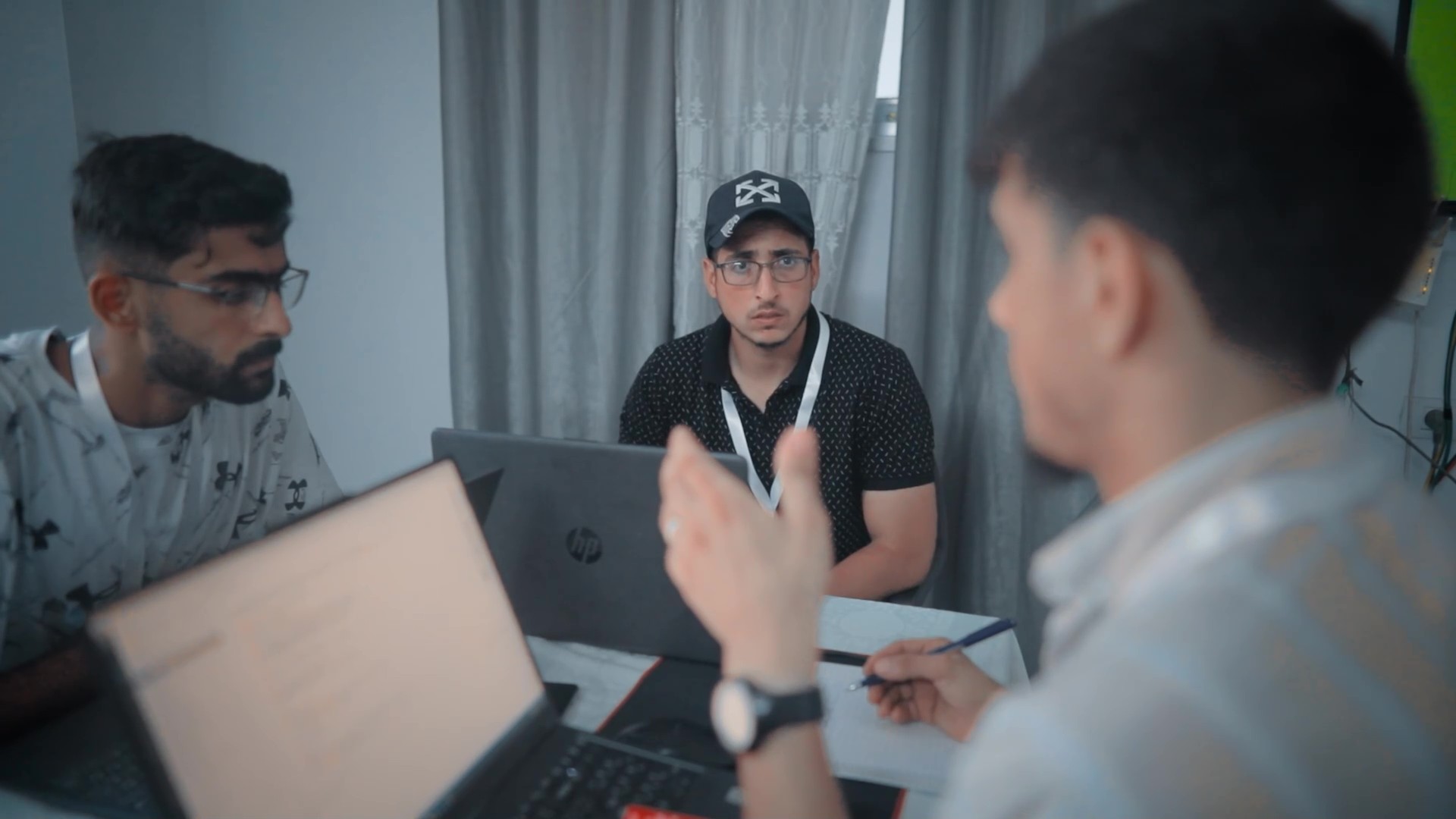
I didn't build it alone. I worked with a team of three: I led the technical side and the AI systems, given my background as an AI engineer; one teammate handled marketing and data analysis; another built the app itself. That mix of skills is what let us get from an idea to something that actually works.
Building Under Siege
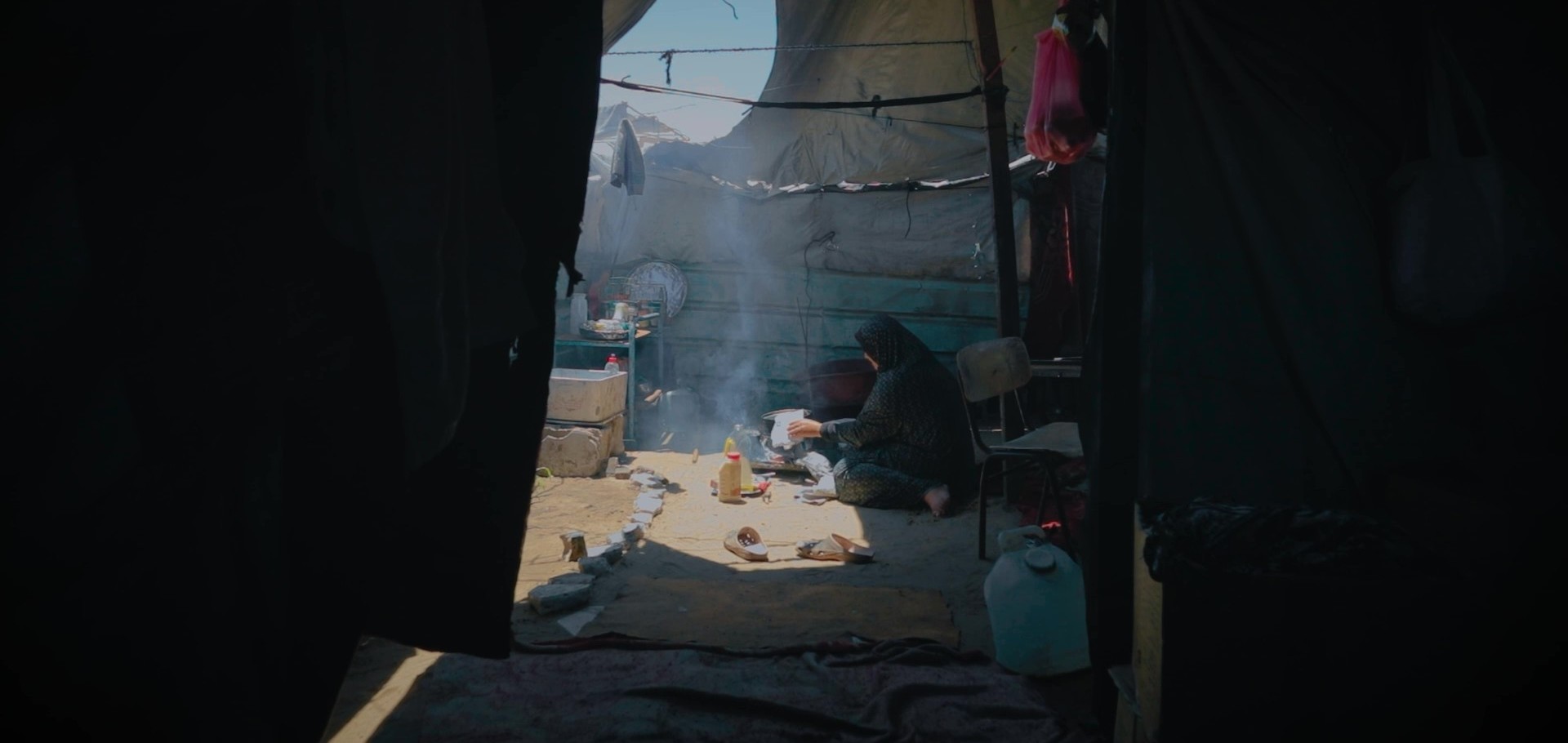
The war has touched every part of my life. My studies stopped. I lived through a real siege. My income disappeared completely. I used to sell handmade paintings and craftwork alongside my main trade, and all of that ended. I've been displaced from my home more than five times, and part of the house itself was damaged.
There were entire months when I simply couldn't work, out of fear of moving around during the siege. When I could, I worked from wherever the circumstances put me. Electricity and internet access were available only in short, unpredictable windows, so I learned to seize whatever moment I had. I taught myself to code from zero. When there was no power, I wrote code by hand on paper. When I found a signal, I downloaded tutorial videos to study later, offline, at home. When the electricity came back, I went straight to the laptop and applied everything I'd learned in between.
My belief in God and in myself is what kept me going, no matter how hard things got.
How Saree Works
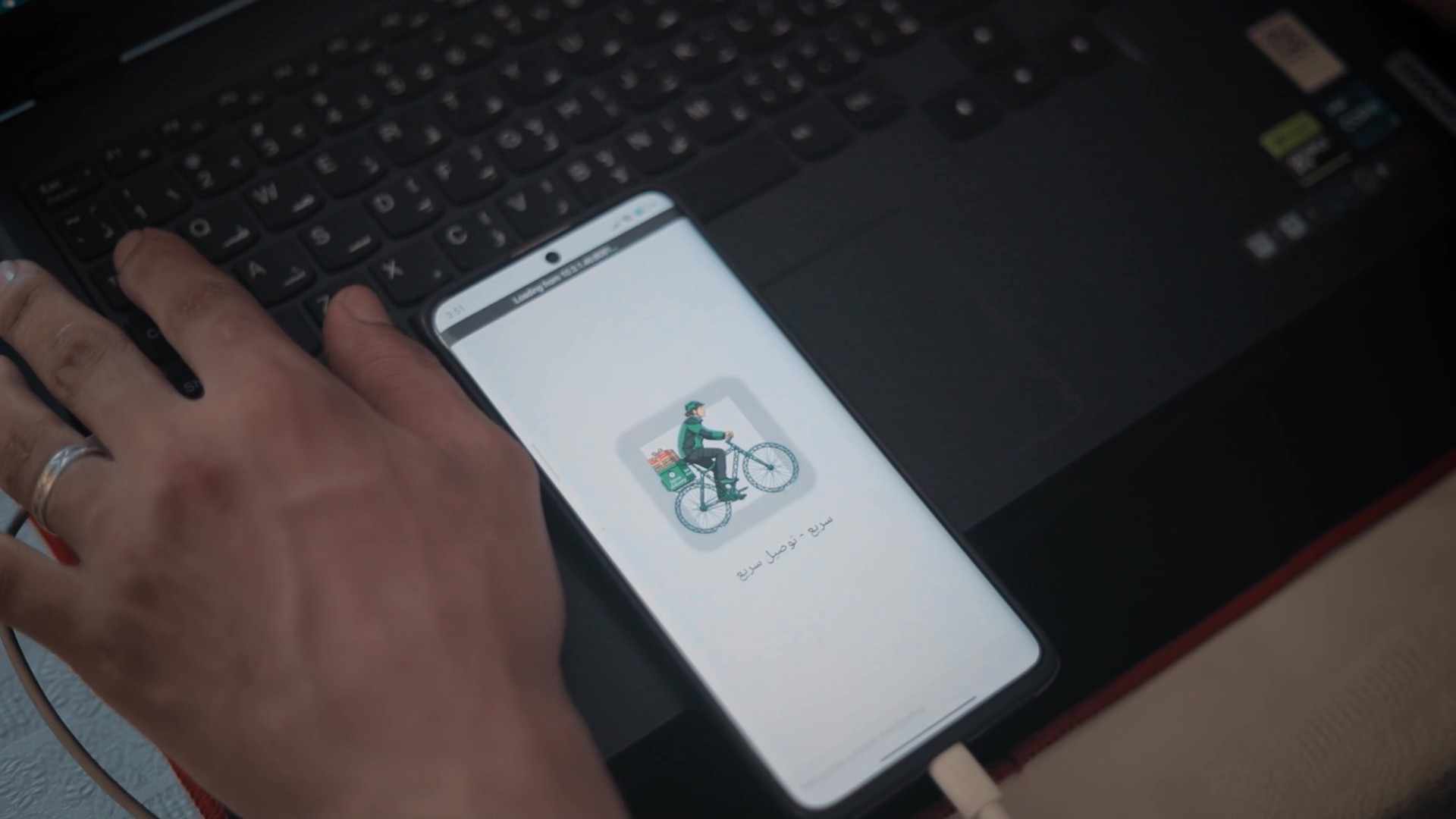
Saree isn't built around a fixed price set by the company. It runs on a bidding system: when a customer requests a delivery, the request goes out to every available driver in the area, or to drivers with the right kind of vehicle (car, bike, or a larger vehicle for bigger loads). Each driver submits a price and an estimated time, and the customer chooses the offer that suits them best, whether that's on price, speed, or a driver's rating and delivery history. It keeps the market transparent and fair, with no single driver favoured over another.
Drivers keep their freedom too. They can browse all open requests and choose the ones that fit their area, their schedule, or the price they're willing to offer. Nobody is forced to accept a job they don't want. That flexibility matters here, because so many drivers in Gaza have circumstances that change from one day to the next.
Every order moves through clear, visible stages, from finding a driver to offers, to acceptance, pickup, and delivery, with an in-app chat so the customer and driver can reach each other directly at any point. And because I come from an AI background, I didn't want to build just another delivery app. I've already built a dashboard that analyses performance data and identifies the busiest delivery zones, and I'm now developing a feature that turns a spoken or typed request into a structured order automatically, along with a system that matches each order to the best available driver based on their history and location.
More Than a Delivery App
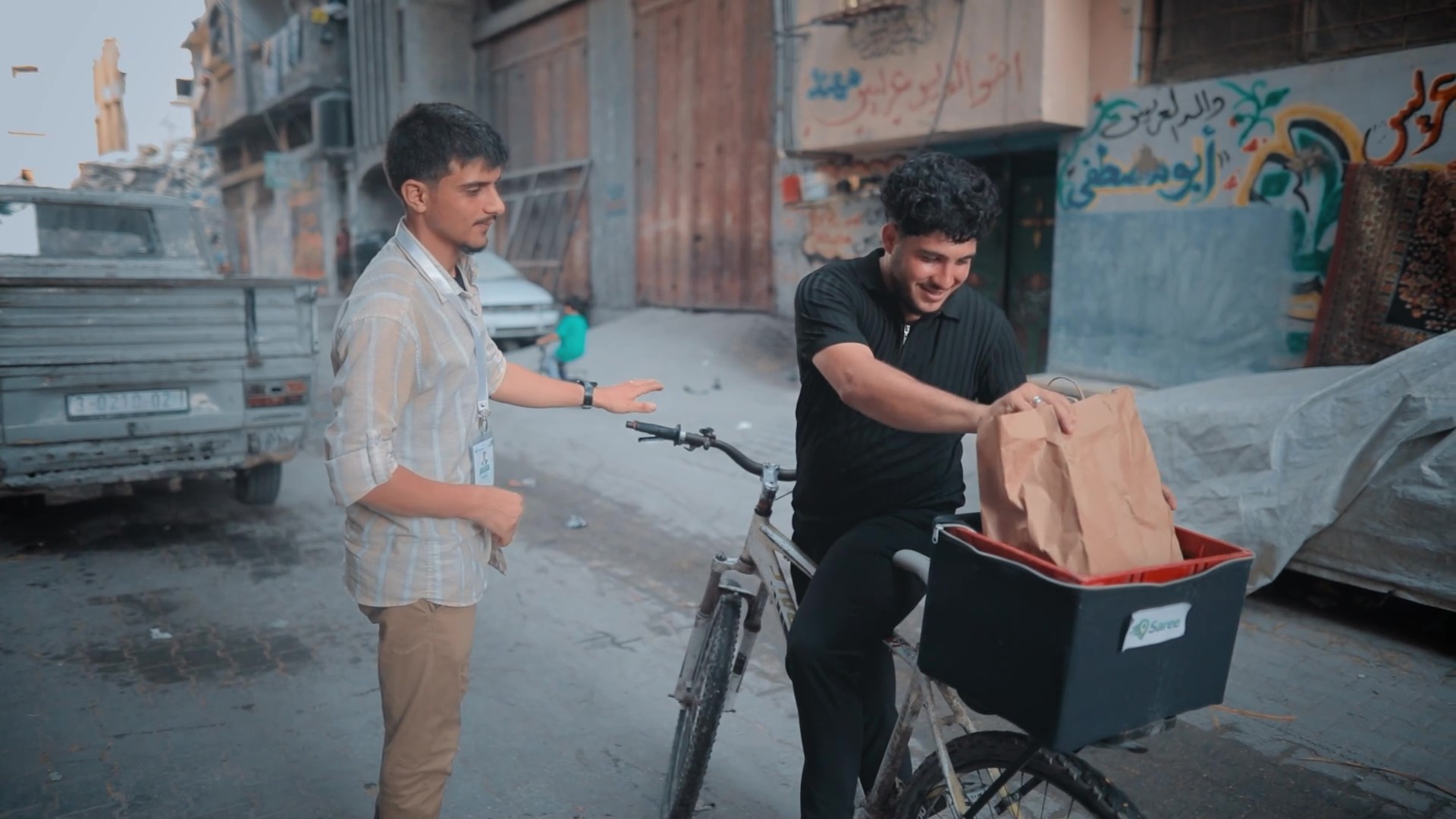
Unemployment in Gaza is extremely high. Any young person with a bicycle, a car or a motorbike can register as a driver on Saree and turn that asset into an income. Based on an average of ten deliveries a day, Ahmed estimates a driver could net roughly 65 to 70 shekels daily after the platform's commission, around 1,700 to 1,800 shekels a month.
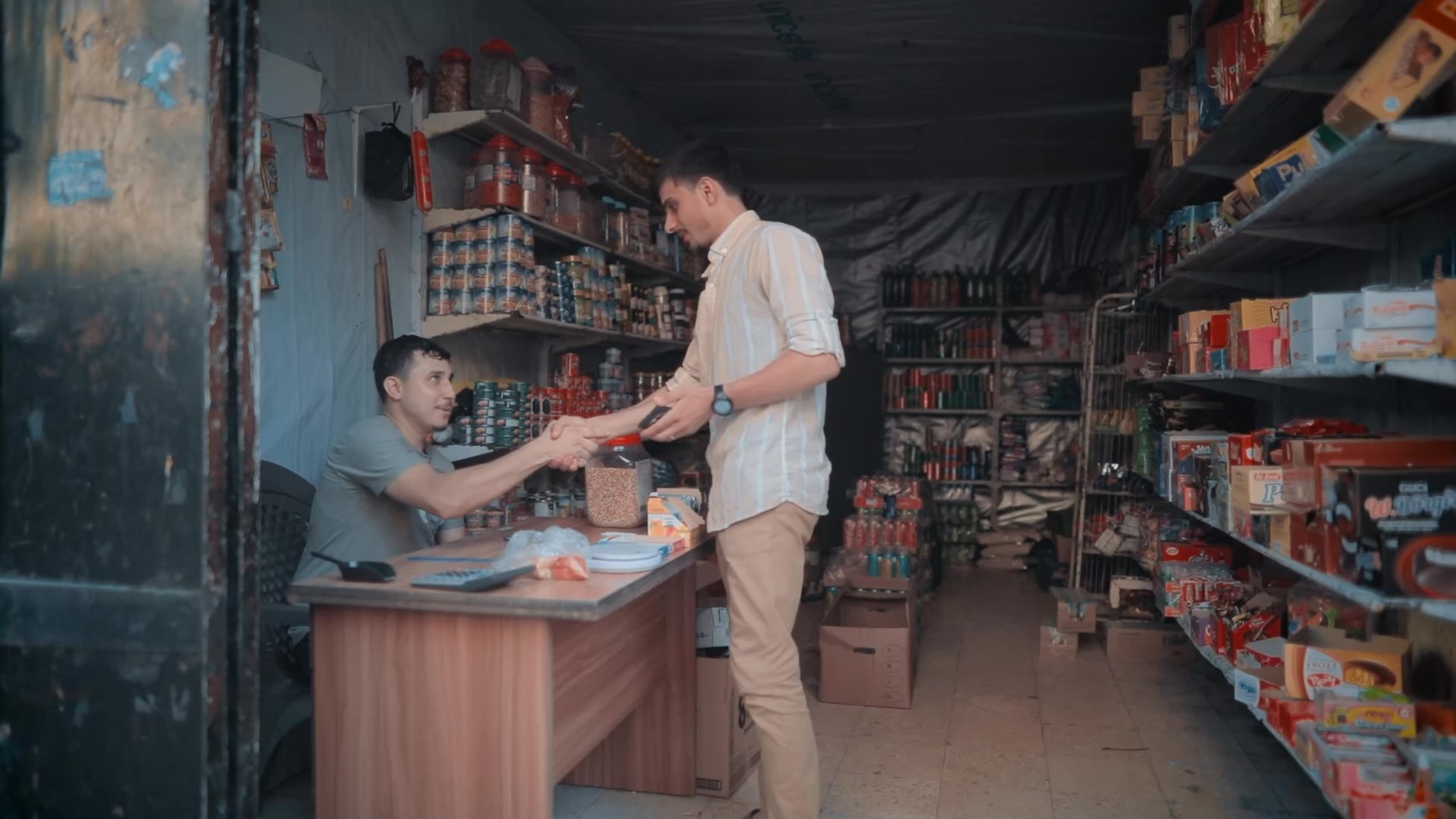
But drivers aren't the only ones who benefit. Any shop or storefront can become an agent, selling subscription packages to drivers or customers and earning a commission, opening a third income stream beyond drivers and shop owners themselves. Shop owners get an easy way to deliver their goods without hiring their own driver, and several have already told Ahmed they're waiting for the official launch to join.
My dream isn't only to build an app. It's to open a real door to income for as many people as possible. If Saree succeeds and grows, my hope is that it creates at least twenty real livelihoods, not just for drivers, but for shop owners, agents, and anyone who finds their place inside this system.
Right now, Saree exists as a working prototype. Every core role is built and functioning: customer, driver, agent, and an admin dashboard. Around 30 people have tested it and given us real feedback that's already shaped the product. We're still waiting on Google's developer verification to publish officially, a process that has been slower here because of the restrictions placed on Gaza.
Gaza Stars
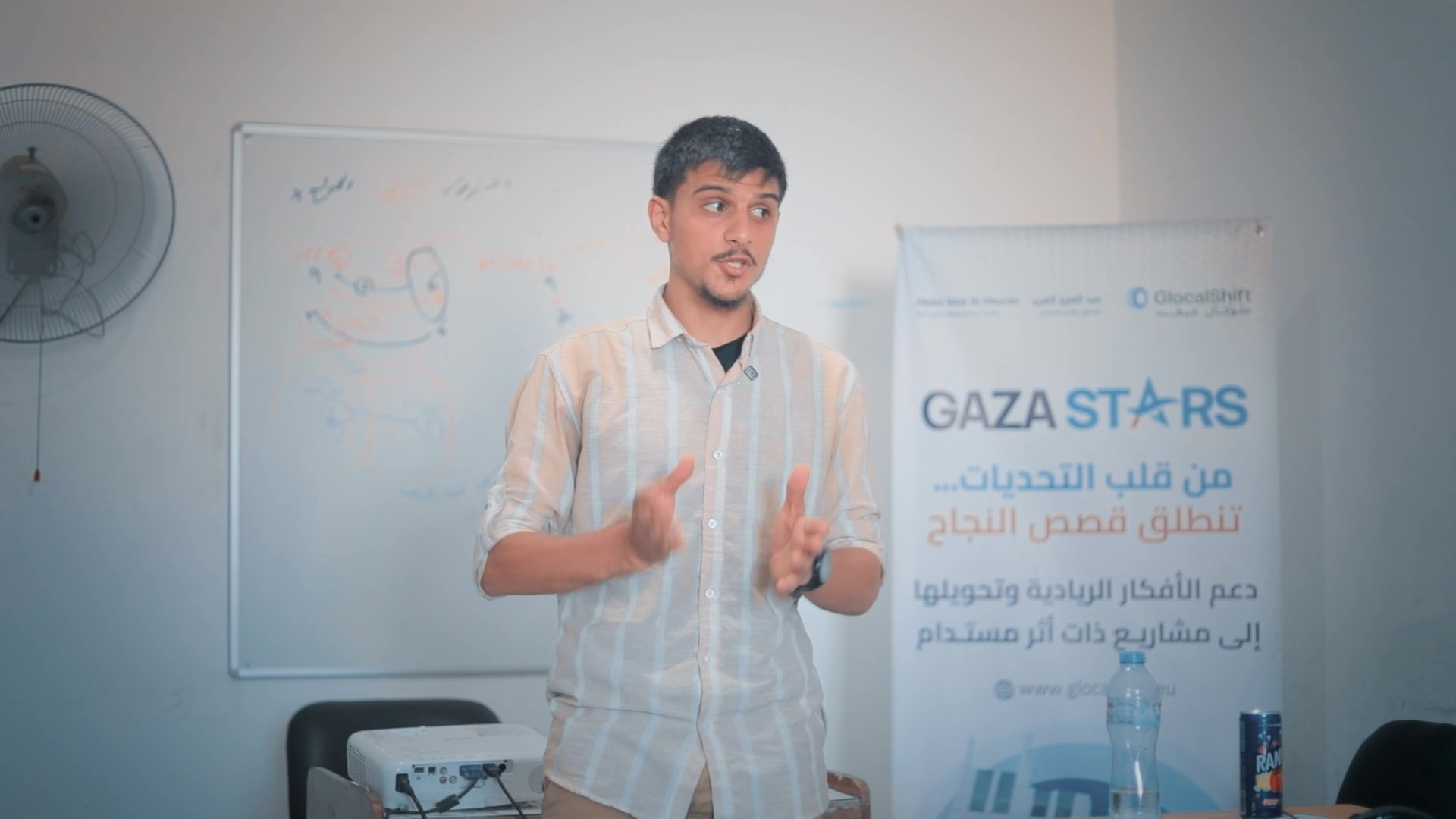
I found Gaza Stars through LinkedIn, read about the programme, and felt it was a genuine fit for what I was building, so I applied immediately. I'm in the entrepreneurship and innovation track, and I've completed training in business modelling, marketing, financial management, and human-centred design, the last of which changed how I think entirely. It pushed me to focus on the real user and their real problem before jumping to a solution, and I've applied that directly to Saree.
My goal is to reach the top five and win the funding, because Saree needs capital to keep growing. The first thing I'll spend it on is registering the company officially and completing our developer accounts with Google and Apple so we can launch on the app stores. That's the step everything else depends on. From there, the funding goes to hosting, marketing to reach drivers, shops and customers from day one, and finally, supporting the team itself. The three of us have been working as volunteers, without pay, for months.
What's stopping me from doing this without the funding is simple: my income is close to zero, and every shekel I have goes to basic survival, not to building the project. Funding isn't a luxury for me. It's the difference between Saree staying a prototype on my laptop and becoming a real project that serves people.
A Global Dream
Saree isn't a solution built only for Gaza. It answers a problem that exists anywhere with high unemployment, economic crisis, or weak delivery infrastructure, and that describes many places across the Arab world, Africa, and other developing regions. I built this app from inside a real crisis, under some of the hardest conditions imaginable. If it can work here, it can work anywhere with fewer obstacles than the ones I built it against.
My dream is to become the first young Arab entrepreneur to take my app to a global audience, using artificial intelligence to transform this sector.
I've been displaced five times, lost part of my home, and lost my income, but I haven't lost that belief. Every young person who finds work through Saree, every shop that gets its goods delivered, every family that gets a bit of extra income, that's what keeps me going. I'm not just building an app. I'm building proof that Gaza still has people who can dream, build, and deliver.
About Gaza Stars
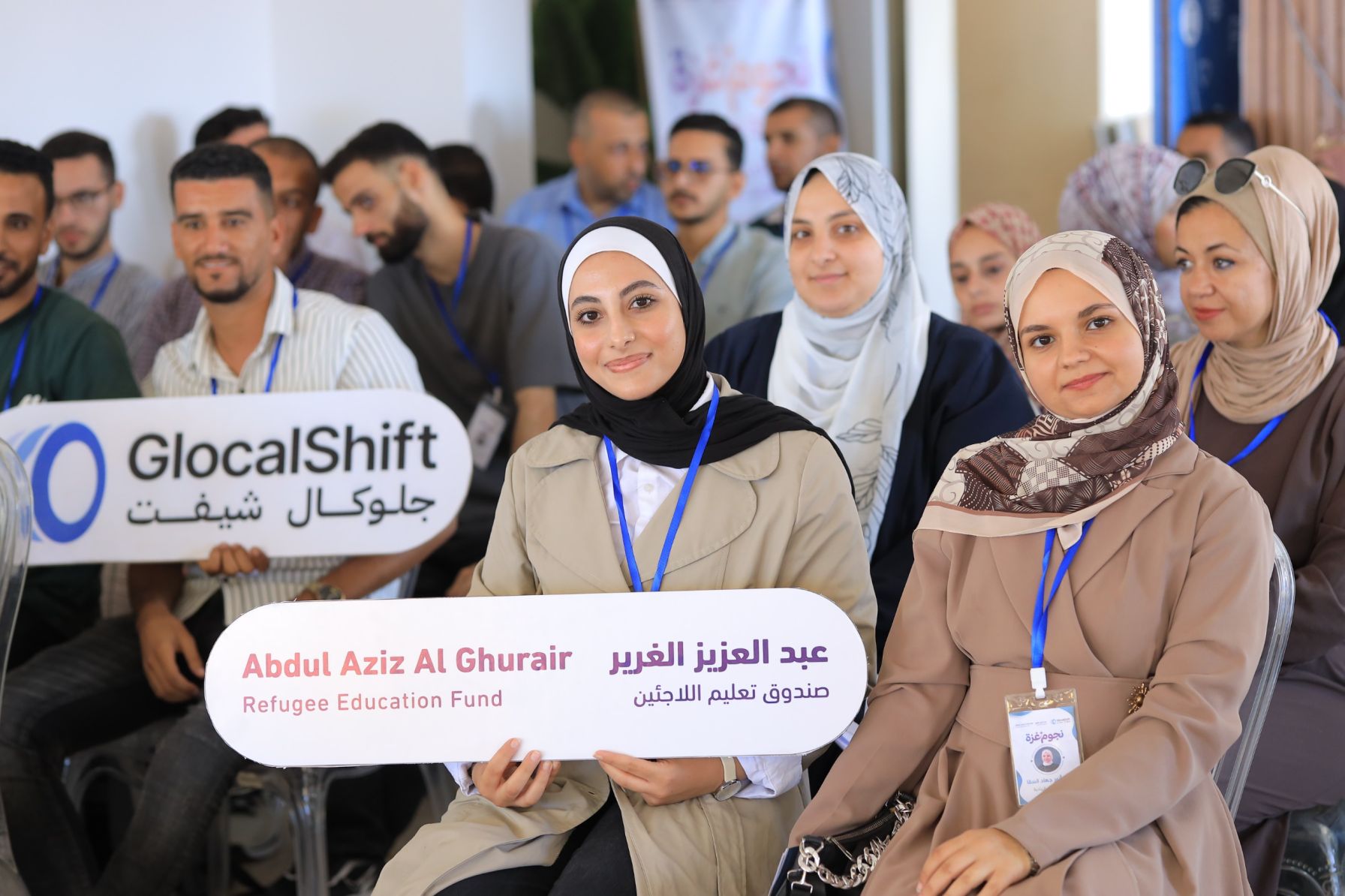
Gaza Stars is the first startup competition held in Gaza since October 2023. Designed and implemented by GlocalShift, it supports locally led solutions for Gaza's recovery, offering mentorship, bootcamps and seed funding to 300 Gazan entrepreneurs like Ahmed over six months.
Gaza Stars is part of GlocalShift's Learning to Earning programme, delivered in strategic partnership with the Abdul Aziz Al Ghurair Refugee Education Fund. Established in 2018 by His Excellency Abdul Aziz Al Ghurair, an Emirati businessman and philanthropist, and administered by the Abdulla Al Ghurair Foundation for Education, the fund supports market relevant education and livelihood pathways for refugee and vulnerable Arab youth across the region. The programme is fully locally led, with Palestinian trainers, Gazan facilitators and diaspora mentors combining international expertise with on the ground knowledge.
Across its two tracks, Recovery and Innovation, Gaza Stars is on track to directly support more than 300 entrepreneurs and fund 10 winning teams with a total of $36,000 in seed capital, laying the foundation for an estimated 200 to 250 new jobs within the next 12 to 18 months.

.jpg)
.jpeg)
