
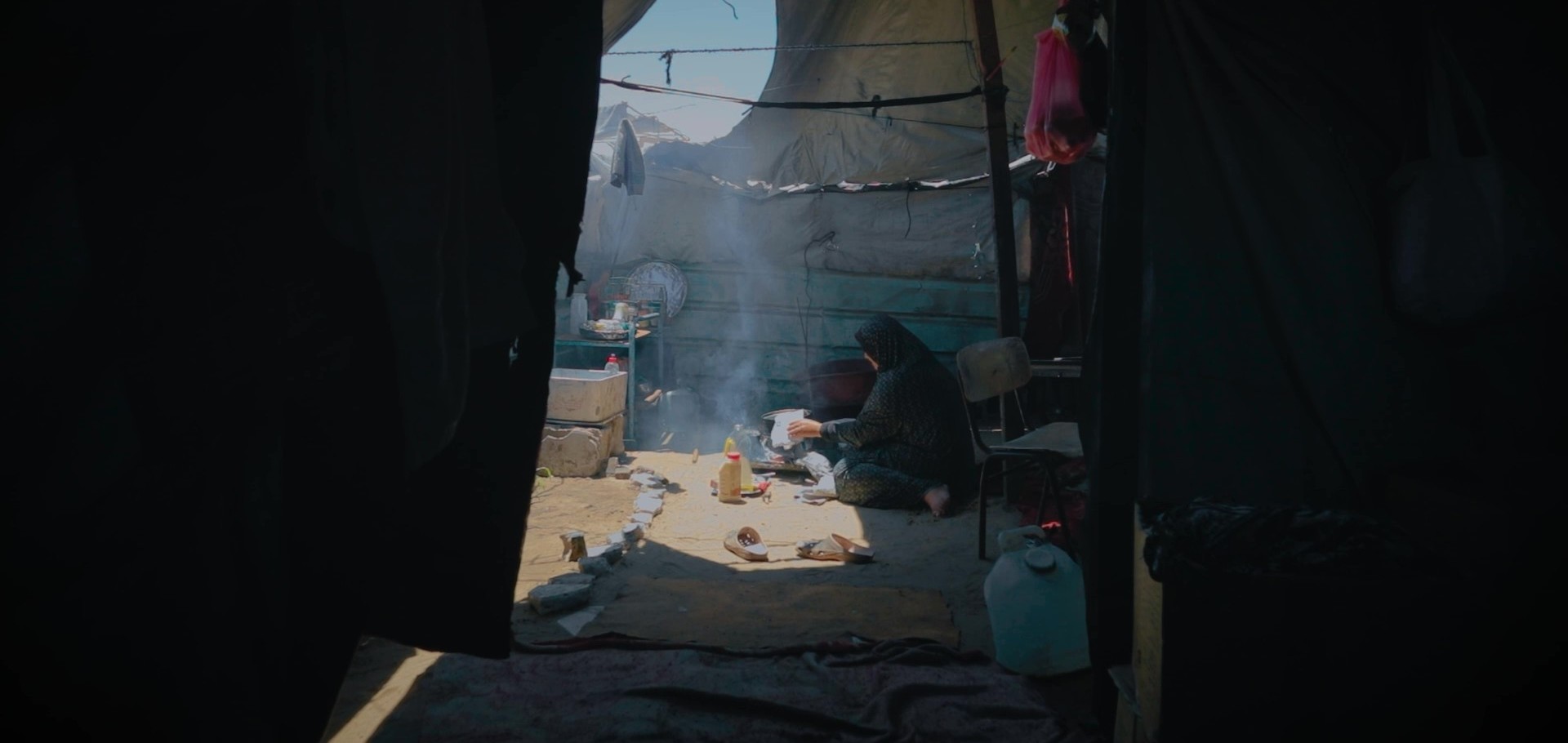
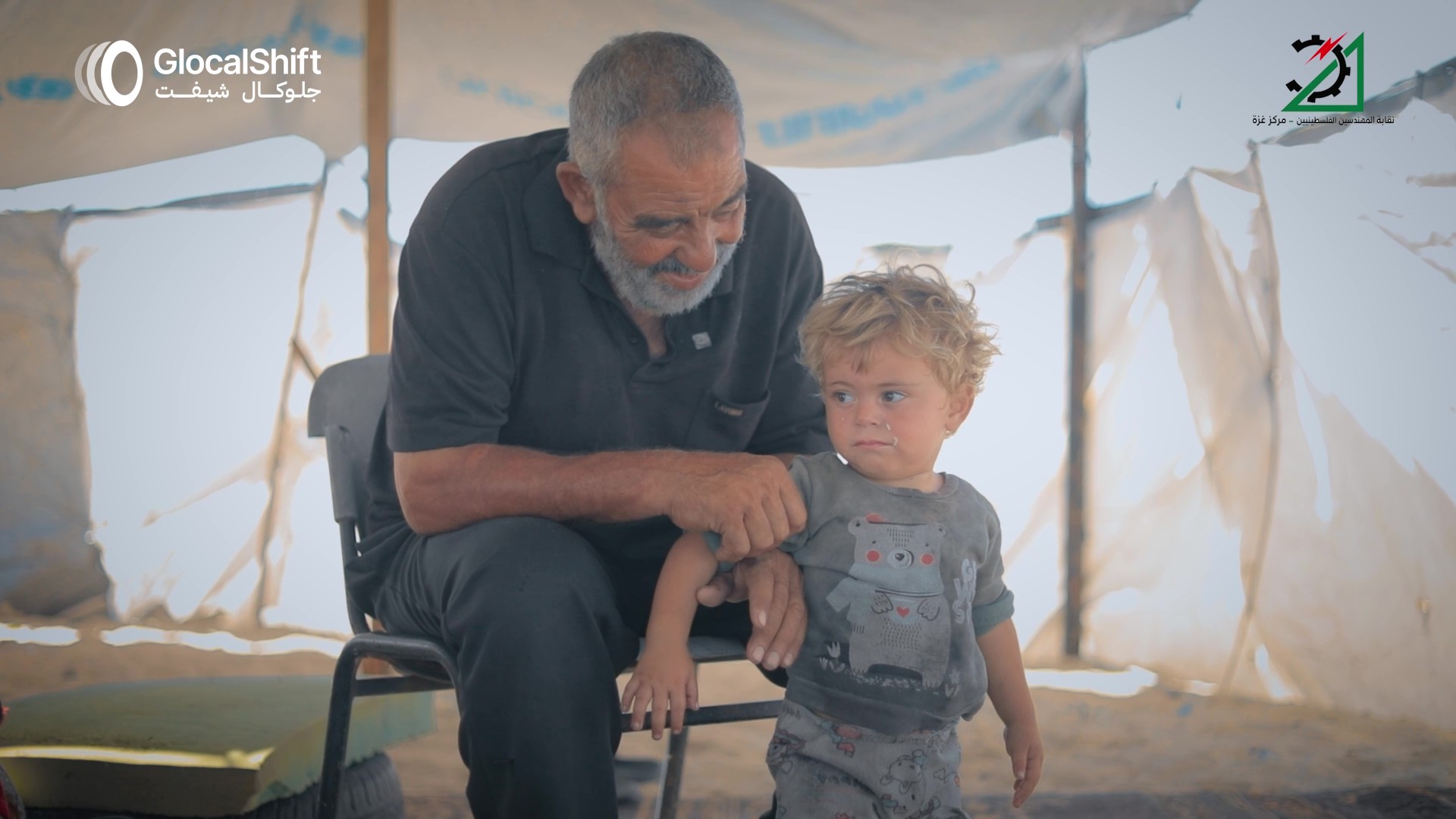
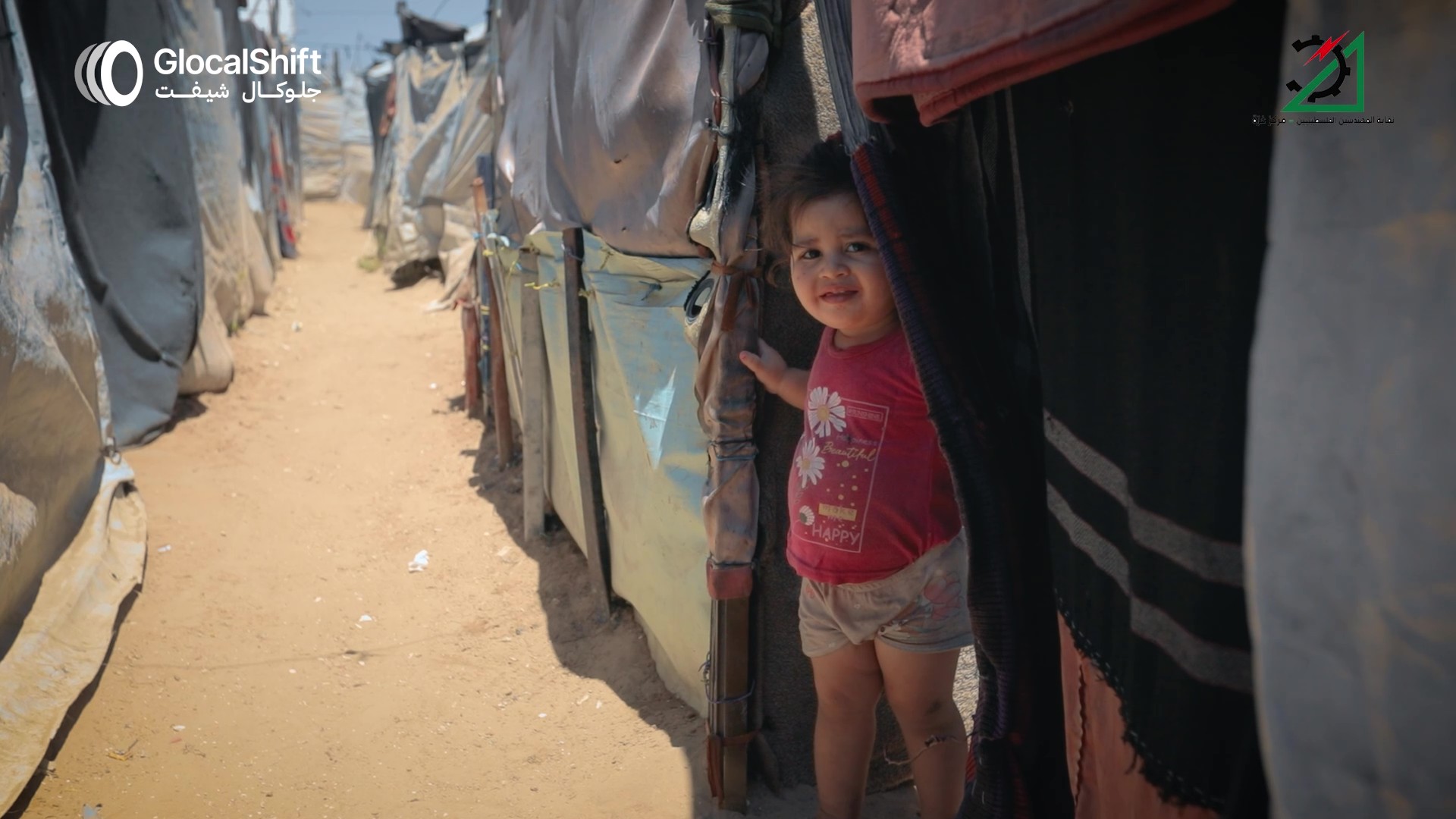
For millions of people around the world, a tent represents emergency shelter after disaster. In Gaza, it has become something very different. It has become home.
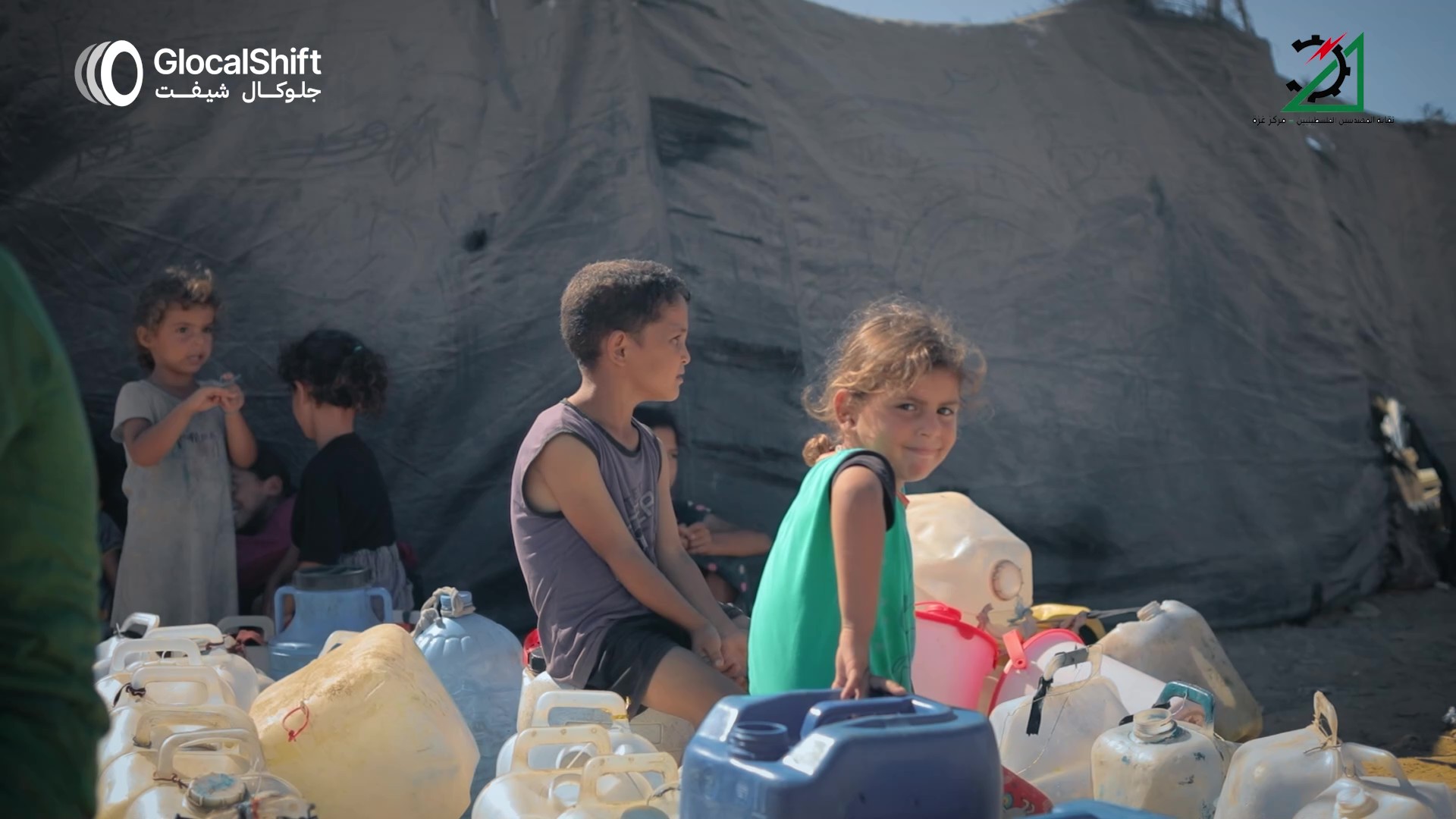
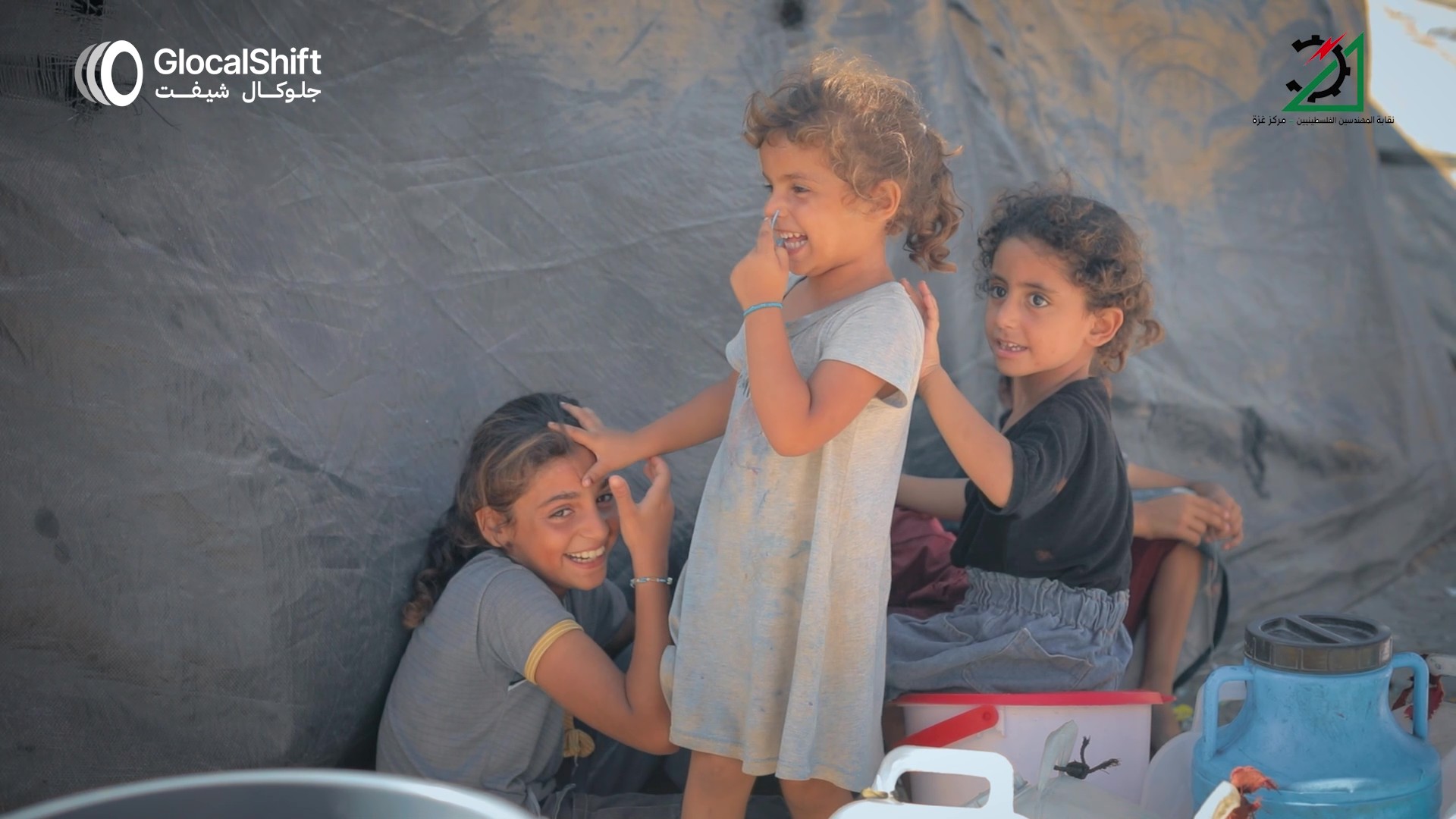
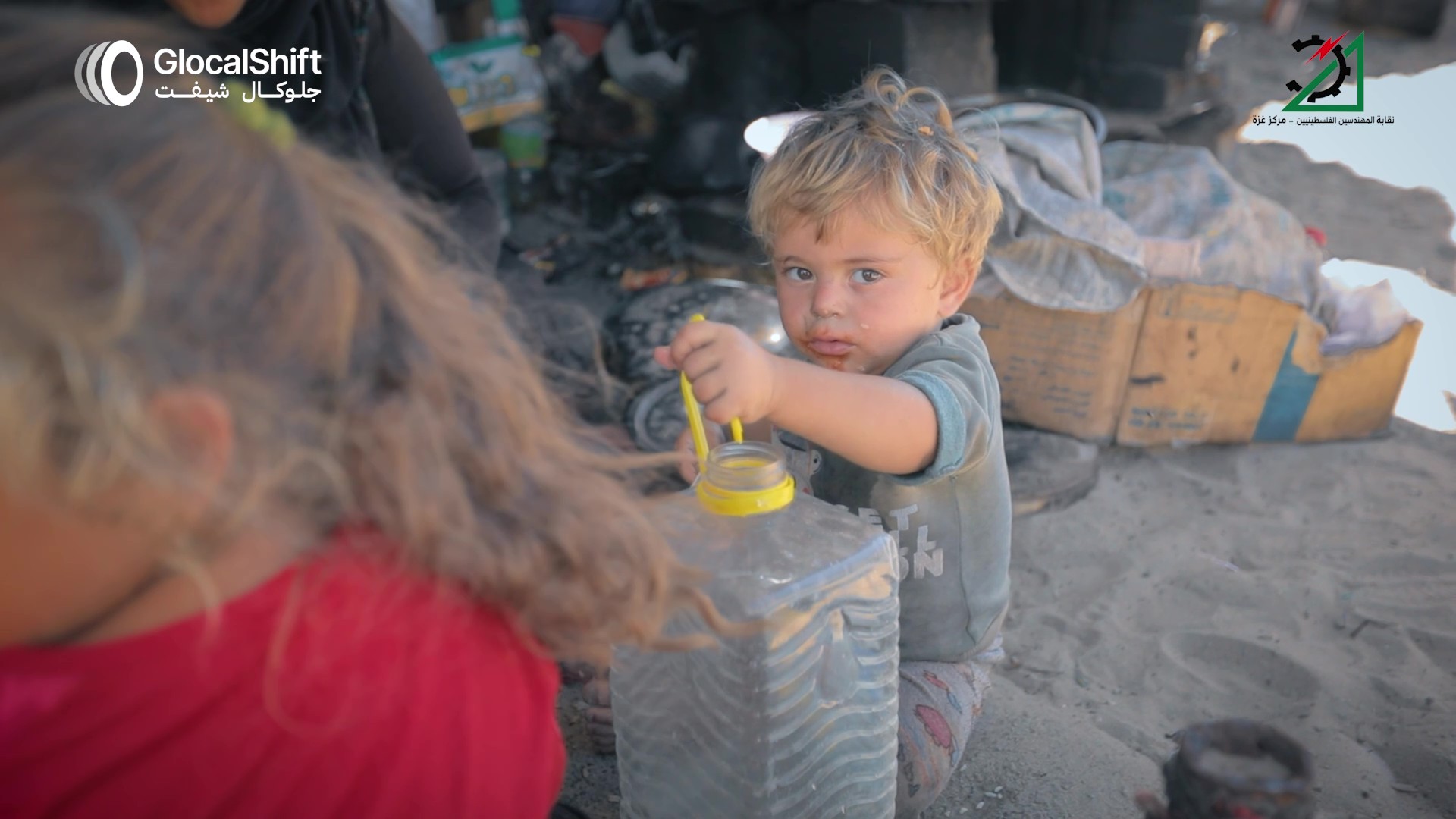
Families who expected to spend a few days in temporary accommodation are now entering their third year of displacement. Children are growing up knowing little else. Parents wake before dawn to collect water, queue for food, and search for a little shade from the relentless summer heat. Nights bring mosquitoes, rats, insects and fear. Winter brings flooding, cold and collapsing tents. Every day brings uncertainty about whether another displacement order will force them to start again.
These are not exceptional stories.
They are becoming the defining experience of life for hundreds of thousands of Palestinians across Gaza.
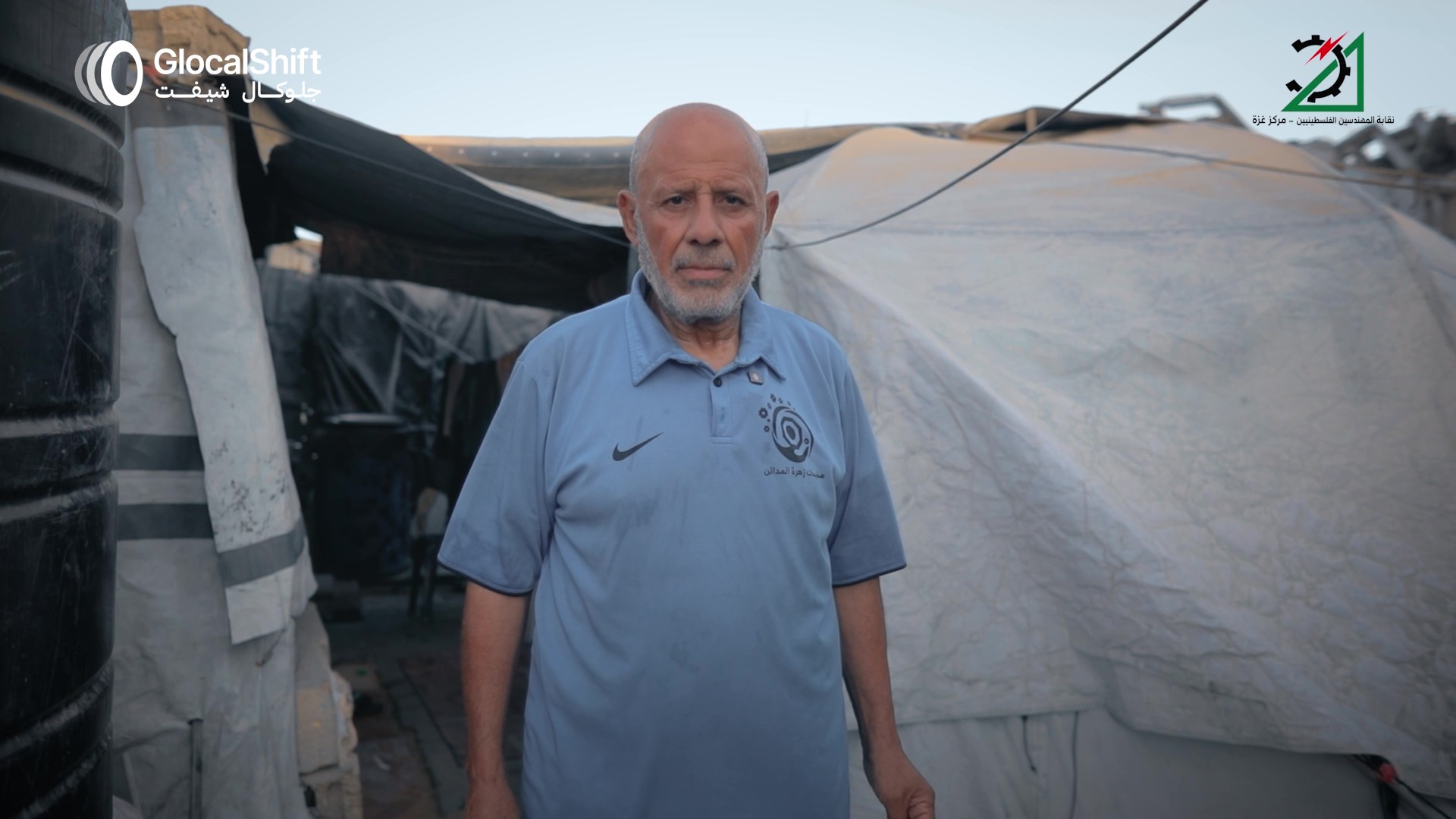
One woman describes being displaced more than twelve times before finding a small patch of land in north western Gaza. Another says that after being forced to flee more than ten times, she began wishing for death rather than another displacement. A father who recently underwent surgery speaks of carrying drinking water hundreds of metres because there is simply no alternative. Another resident describes the tent as "a grave for the living".
These testimonies remind us that Gaza's shelter crisis is not only about the absence of housing. It is about the erosion of dignity, security and the basic conditions that make life possible.
A crisis that extends far beyond shelter
The destruction of homes across Gaza has created one of the largest shelter crises in recent history. Families have repeatedly been pushed into smaller and more crowded areas where streets, school grounds, agricultural land and even the ruins of destroyed buildings have become makeshift camps.
According to the United Nations Office for the Coordination of Humanitarian Affairs, continuing military operations, repeated displacement and severe restrictions on humanitarian access are preventing families from accessing essential services including shelter, clean water, healthcare and sanitation.
The humanitarian consequences are profound.
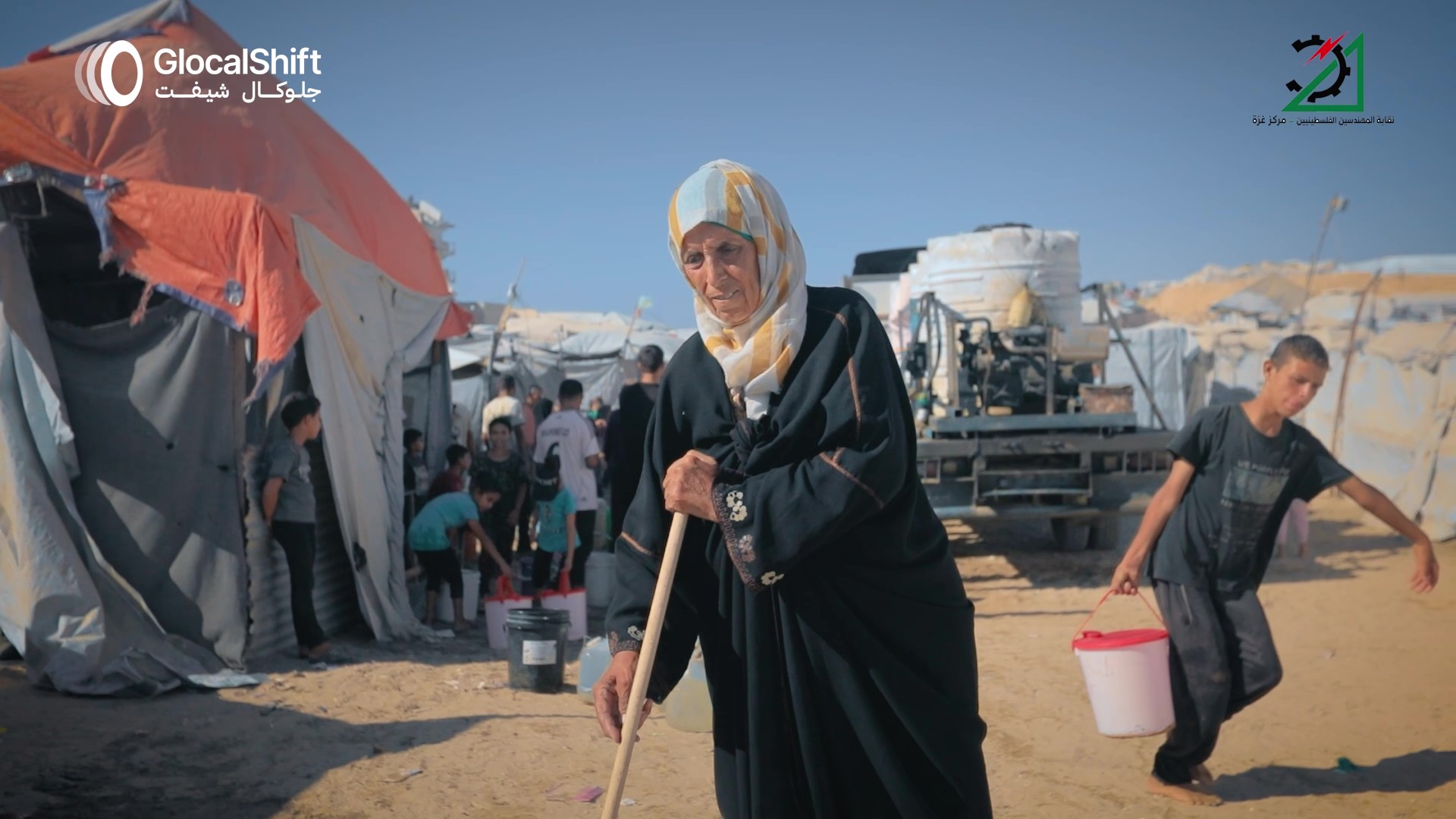
The latest Joint Water, Sanitation and Hygiene Assessment found that nearly two thirds of assessed households survive on less than six litres of drinking water per person each day, well below internationally recognised emergency standards. Nearly three quarters of households rely on water delivered by trucks, often after long waits and in overcrowded conditions.
These figures mirror what displaced families describe every day.
People wake at five o'clock in the morning simply to secure water before supplies run out. Families receive drinking water only every few days. Water for washing and cooking is limited. Carrying heavy containers over long distances has become part of daily life.
Inside the camps, conditions continue to deteriorate.
More than half of assessed households lack adequate sanitation, while around 60 per cent of the population is exposed to sewage or human waste close to their shelters. More than 900,000 people are living alongside accumulated waste, creating conditions that encourage rodents and insect infestations and increase public health risks.
These are the conditions behind the voices heard in the camps.
People speak of flies that make sleep impossible, rats biting children during the night, insects contaminating food, and tents that provide neither privacy nor protection from the elements.
Temporary shelter has become a permanent reality
A tent is designed to provide immediate protection after an emergency.
It is not designed to become a family's home for years.
Yet for many Palestinians in Gaza, temporary shelter has become a prolonged condition with no clear pathway towards permanent housing or recovery.
Recent assessments by the Shelter Cluster illustrate the scale of the challenge. Of the housing units assessed so far, around 60 per cent have been destroyed or suffered severe structural damage, leaving enormous numbers of families dependent on emergency shelter while reconstruction remains out of reach.
This reality demands more than replacing worn out tents.
It requires a long term vision that links humanitarian response with early recovery, reconstruction and urban planning.
Building a shared vision for recovery
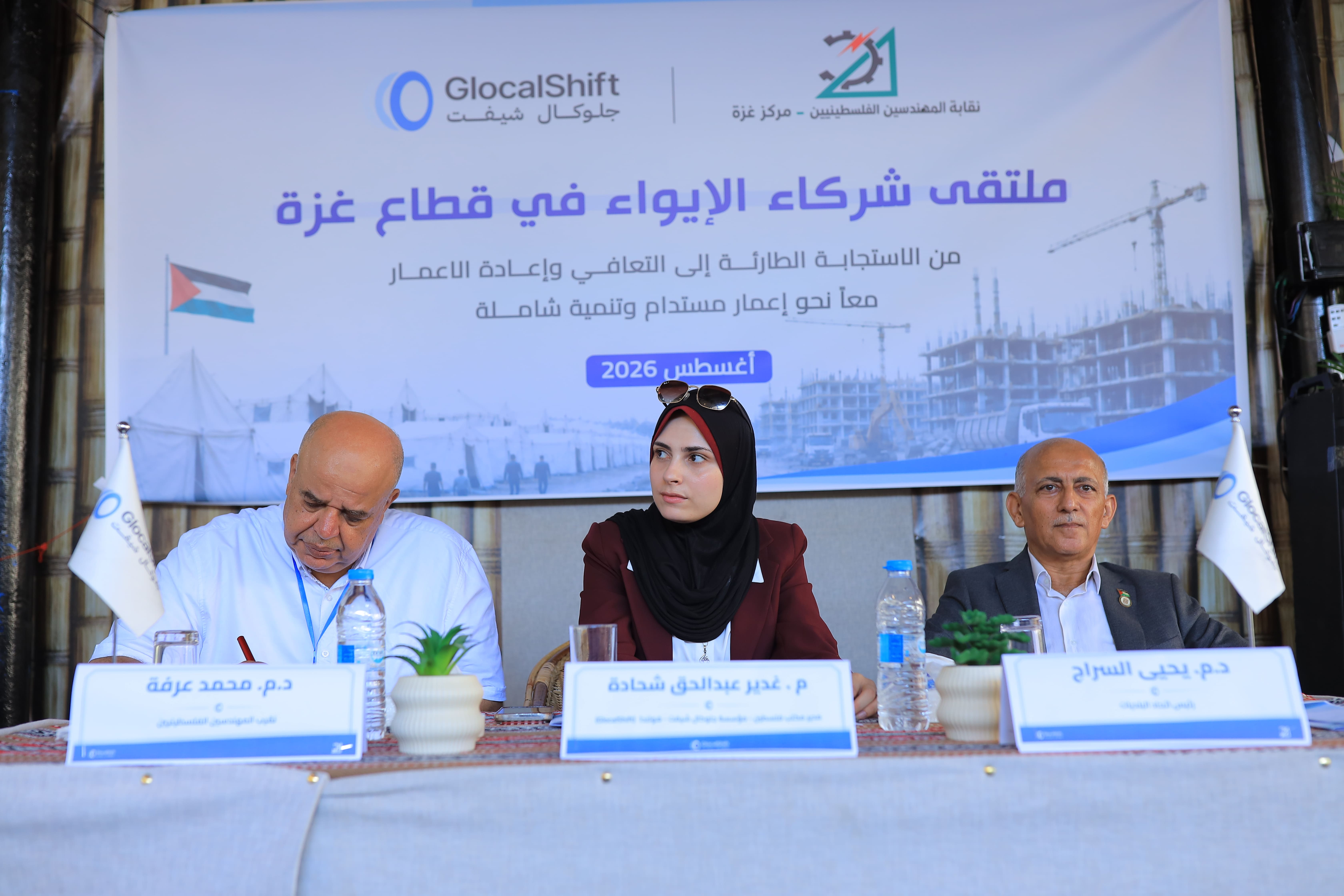
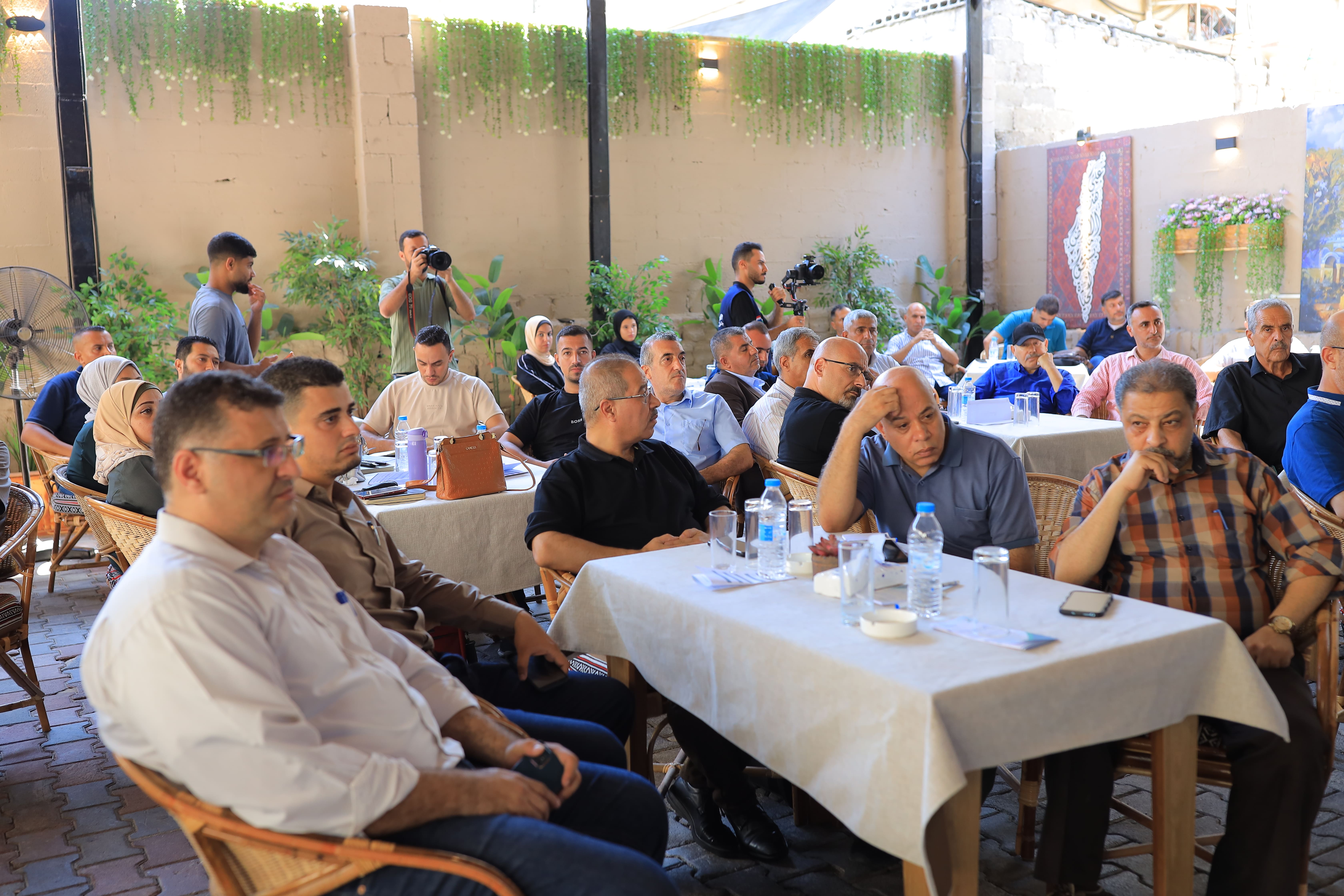
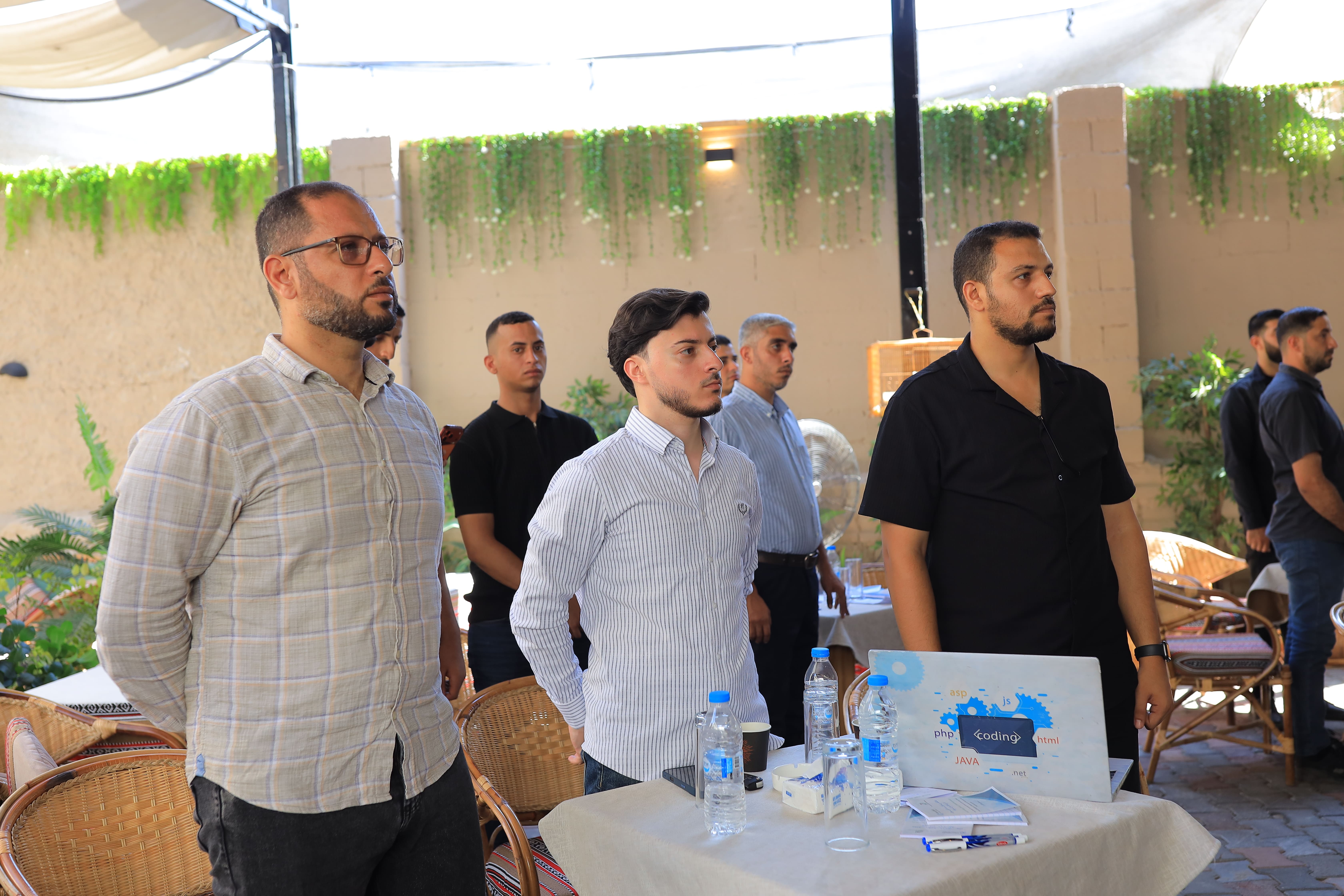
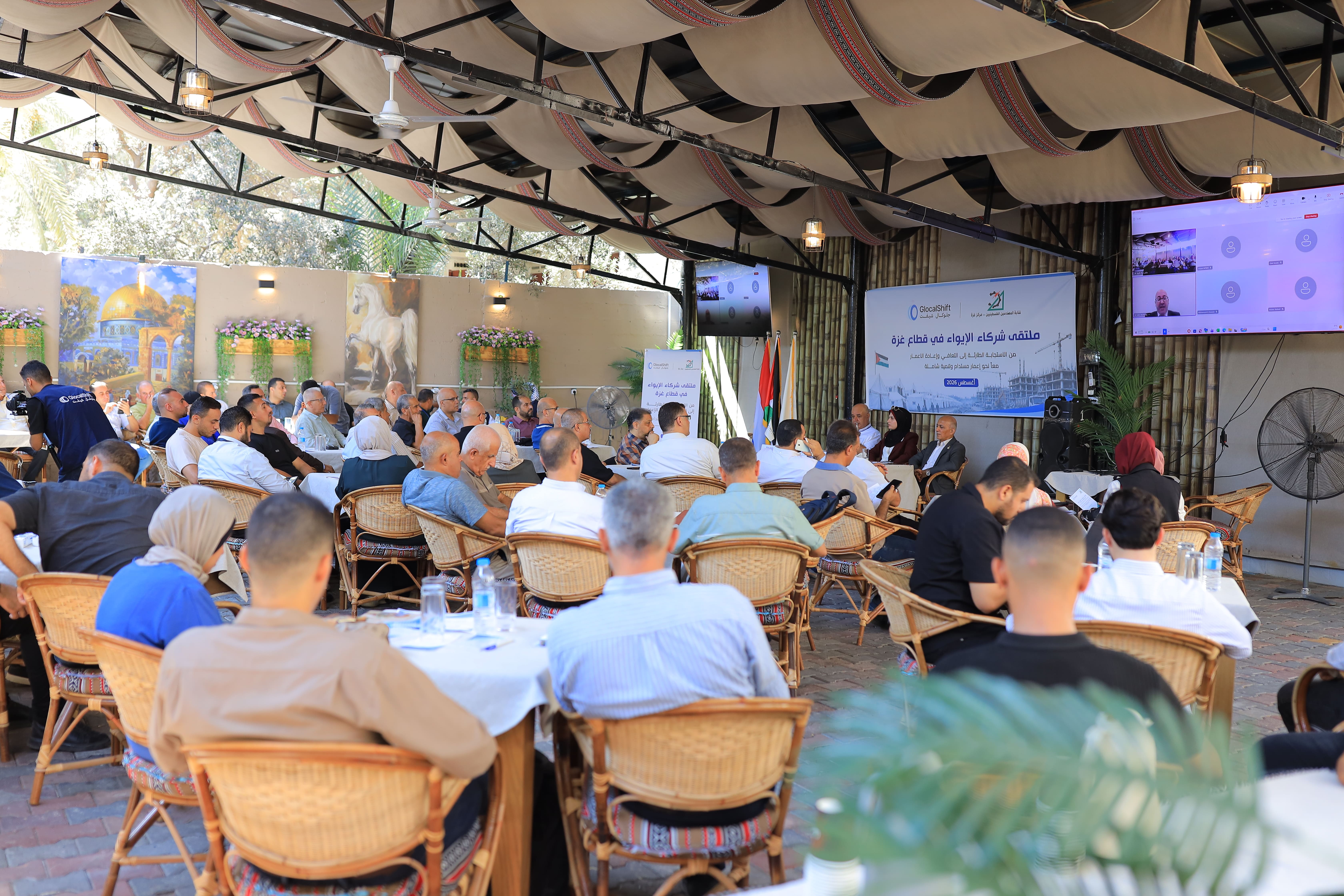
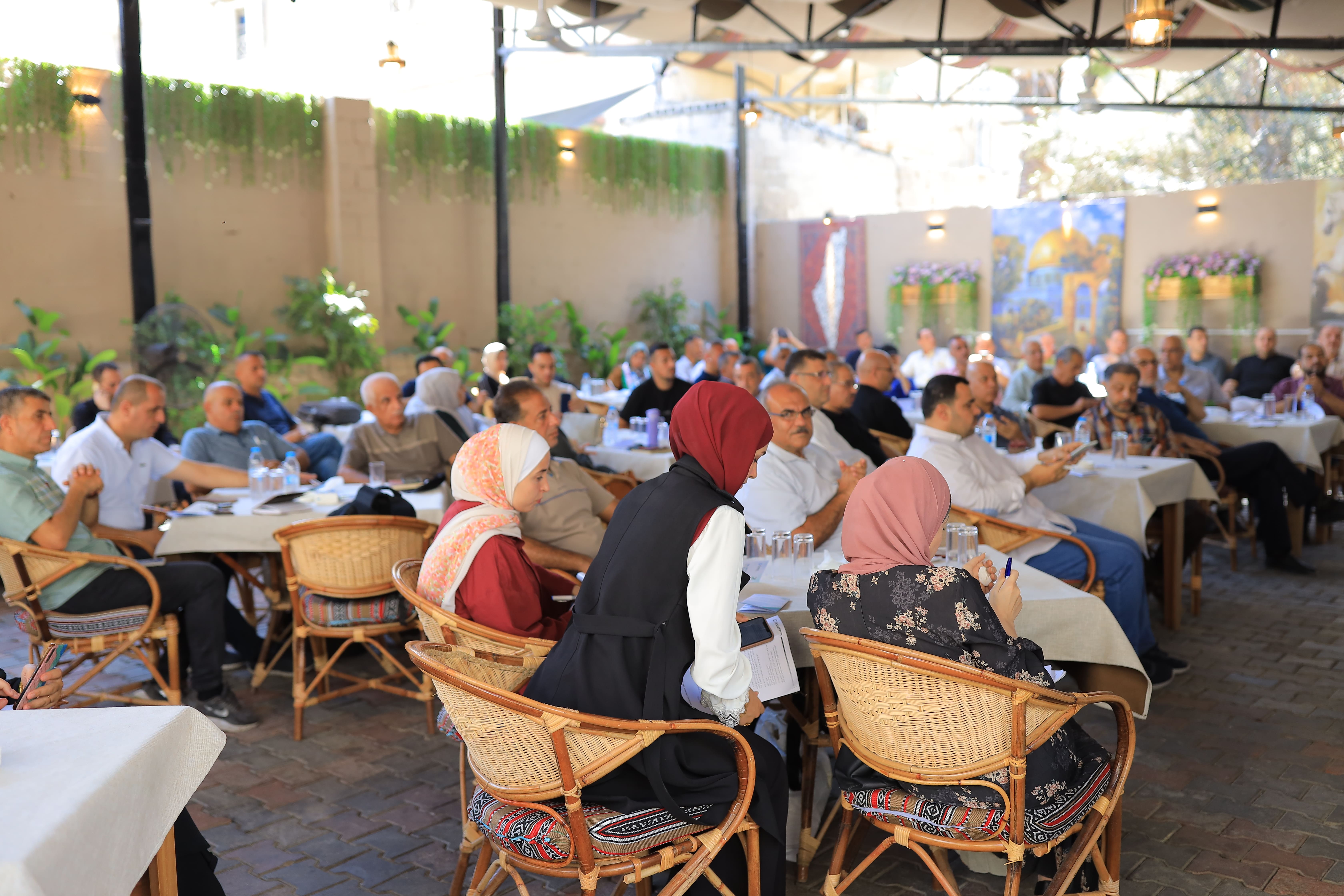
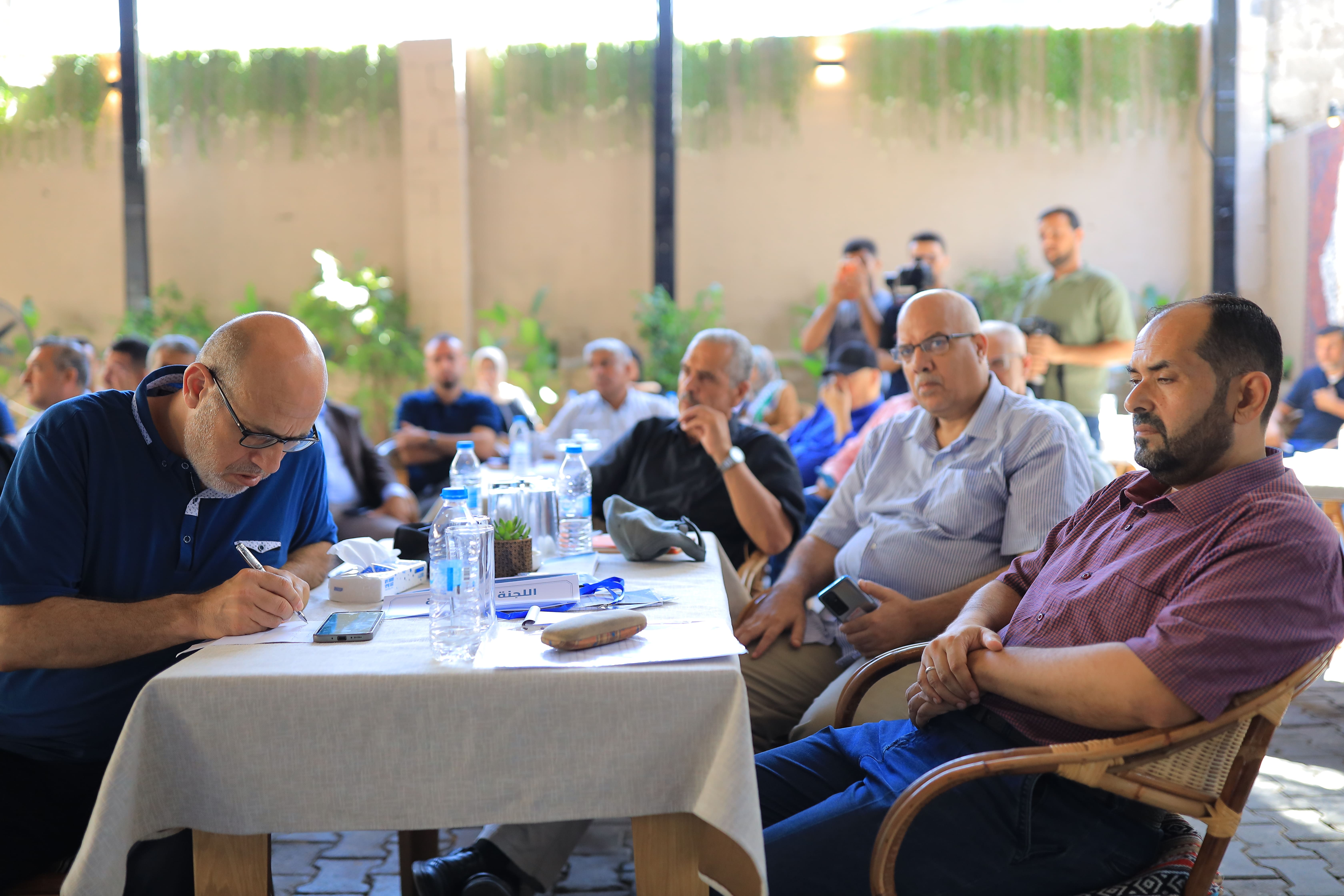
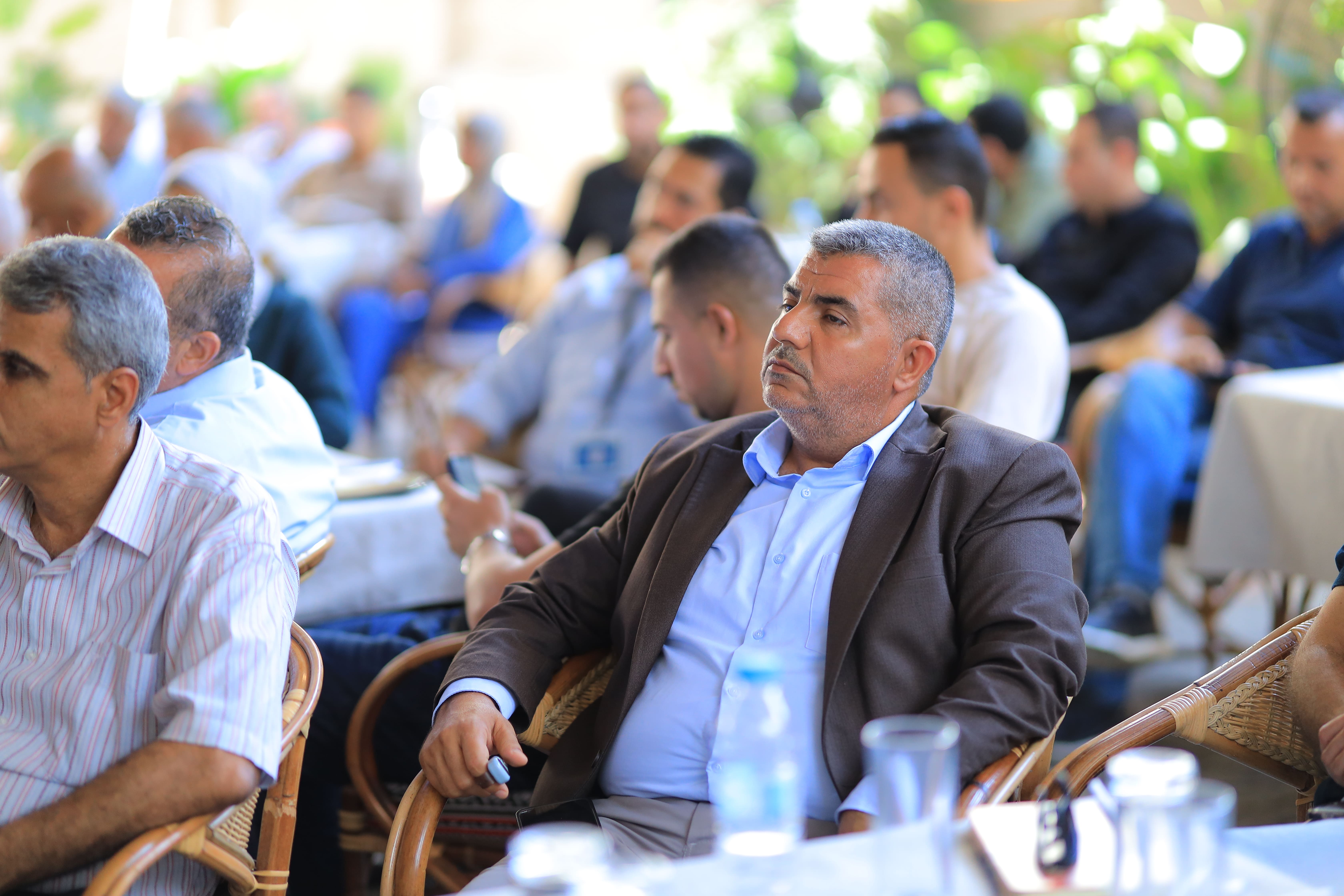
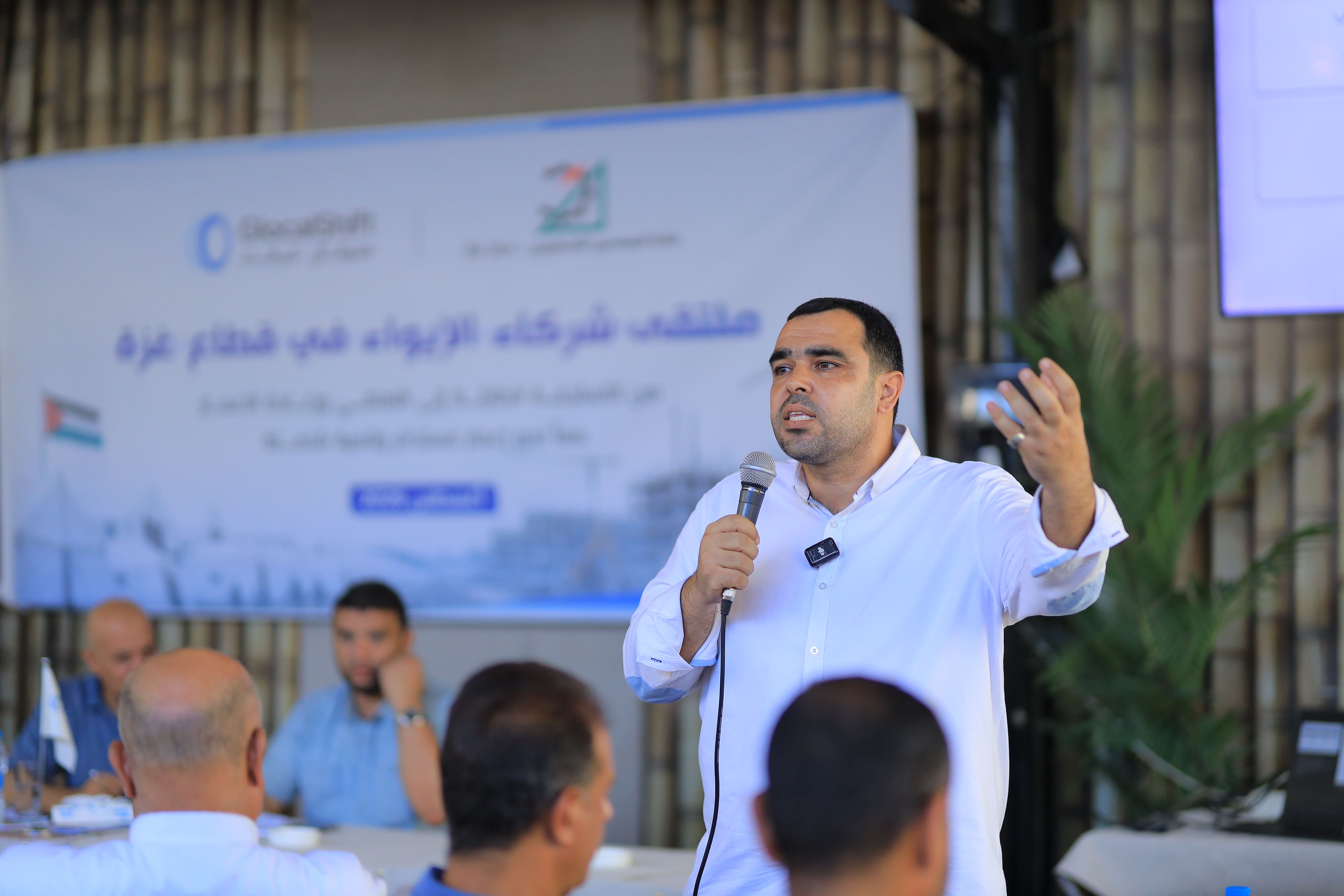
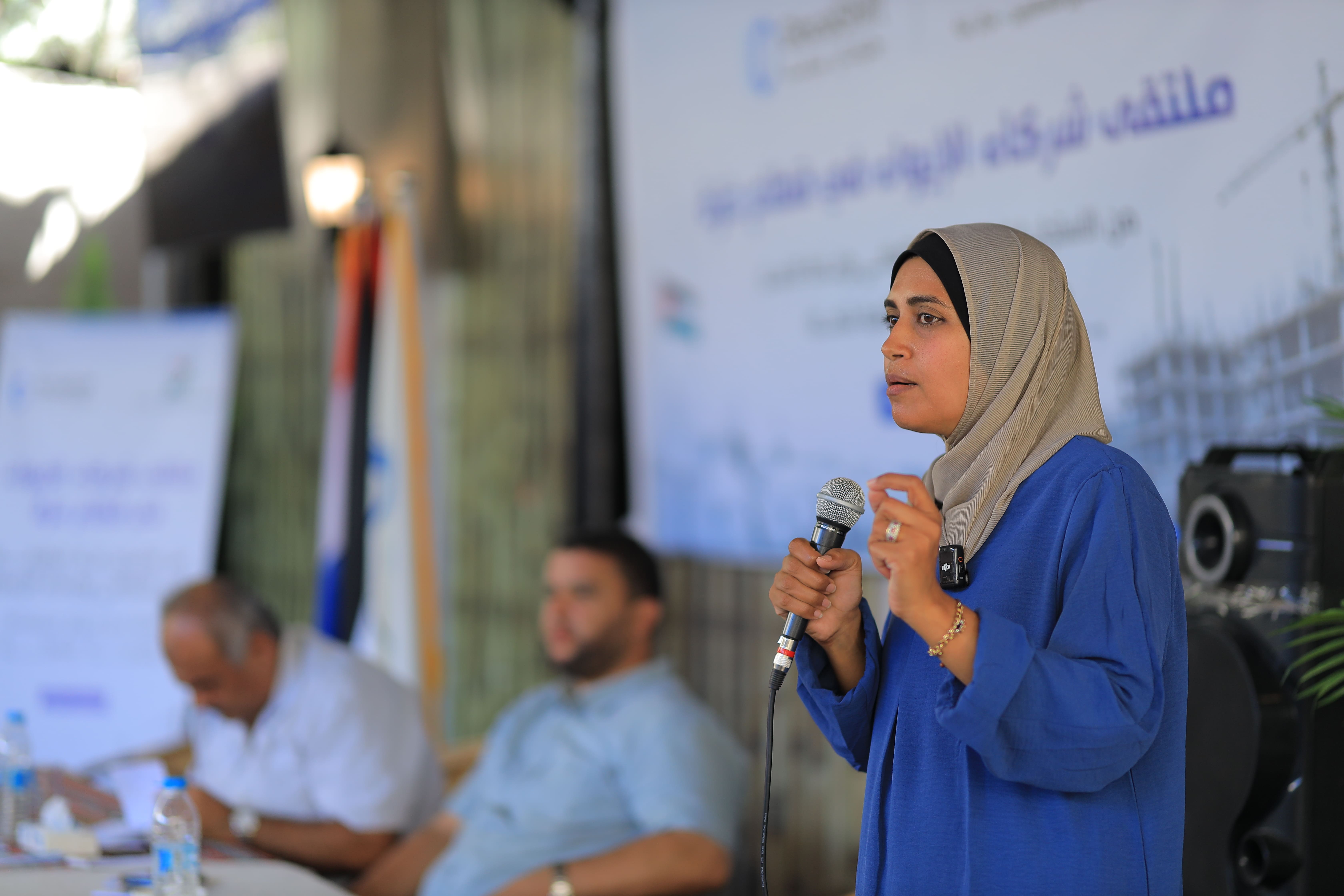
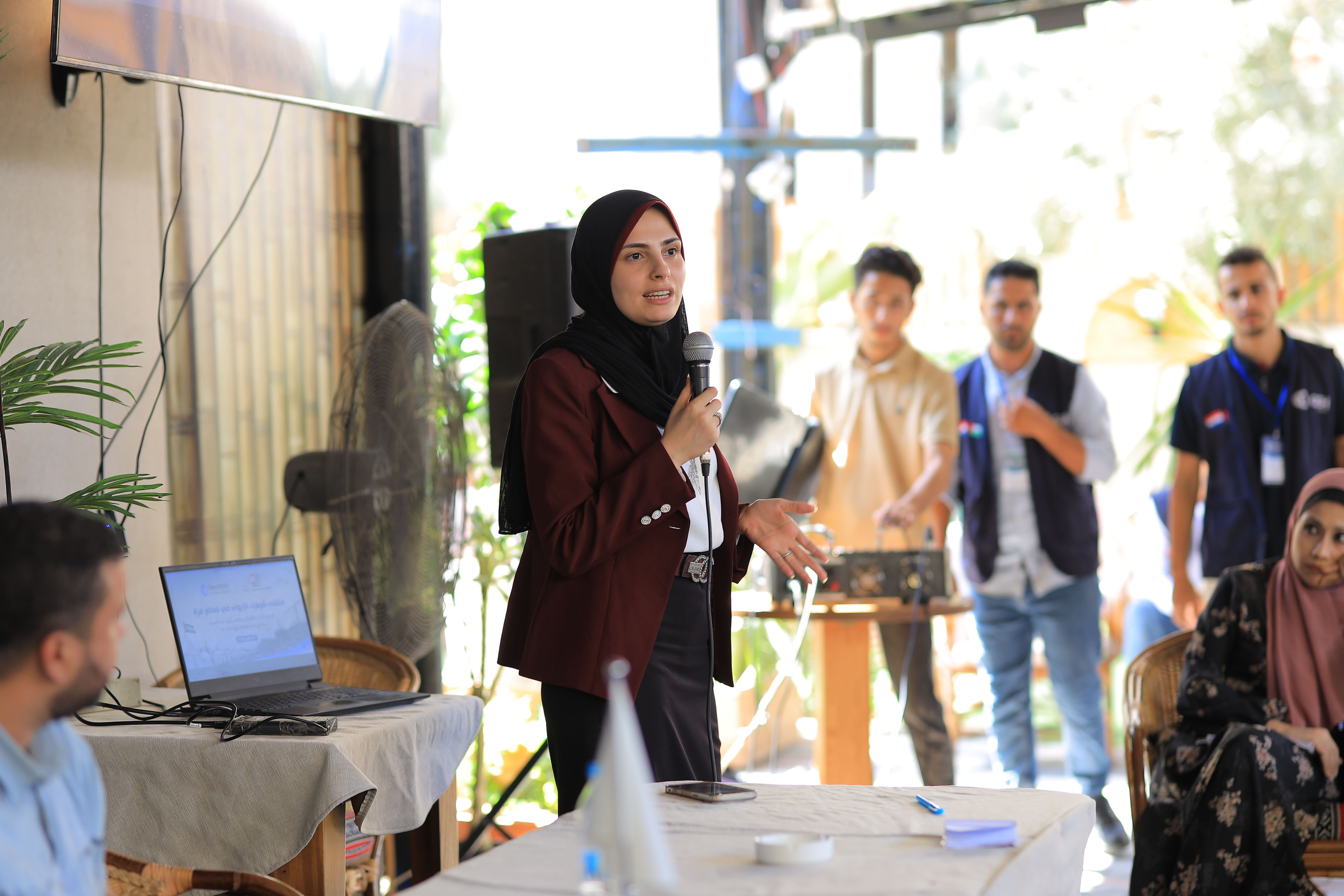
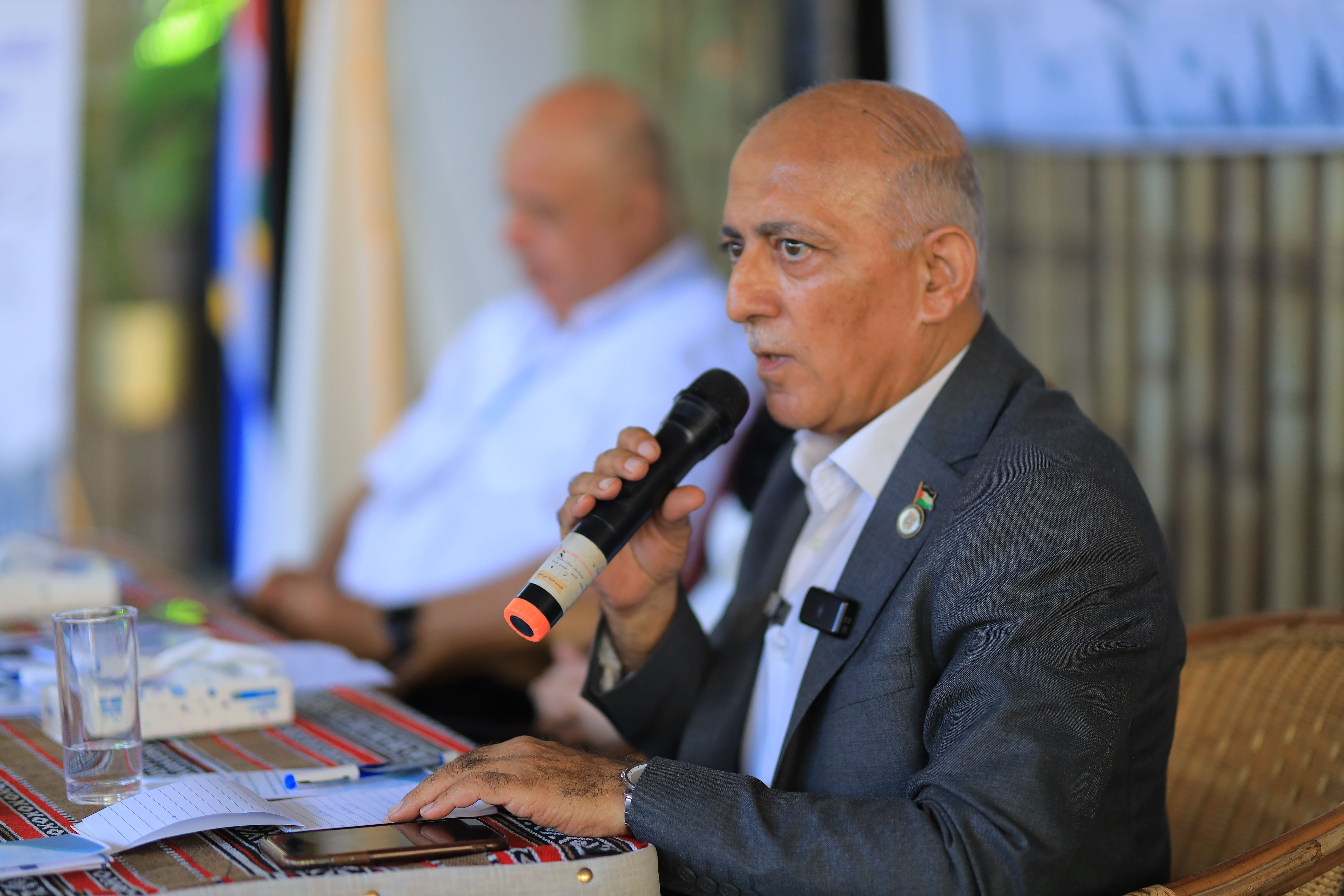
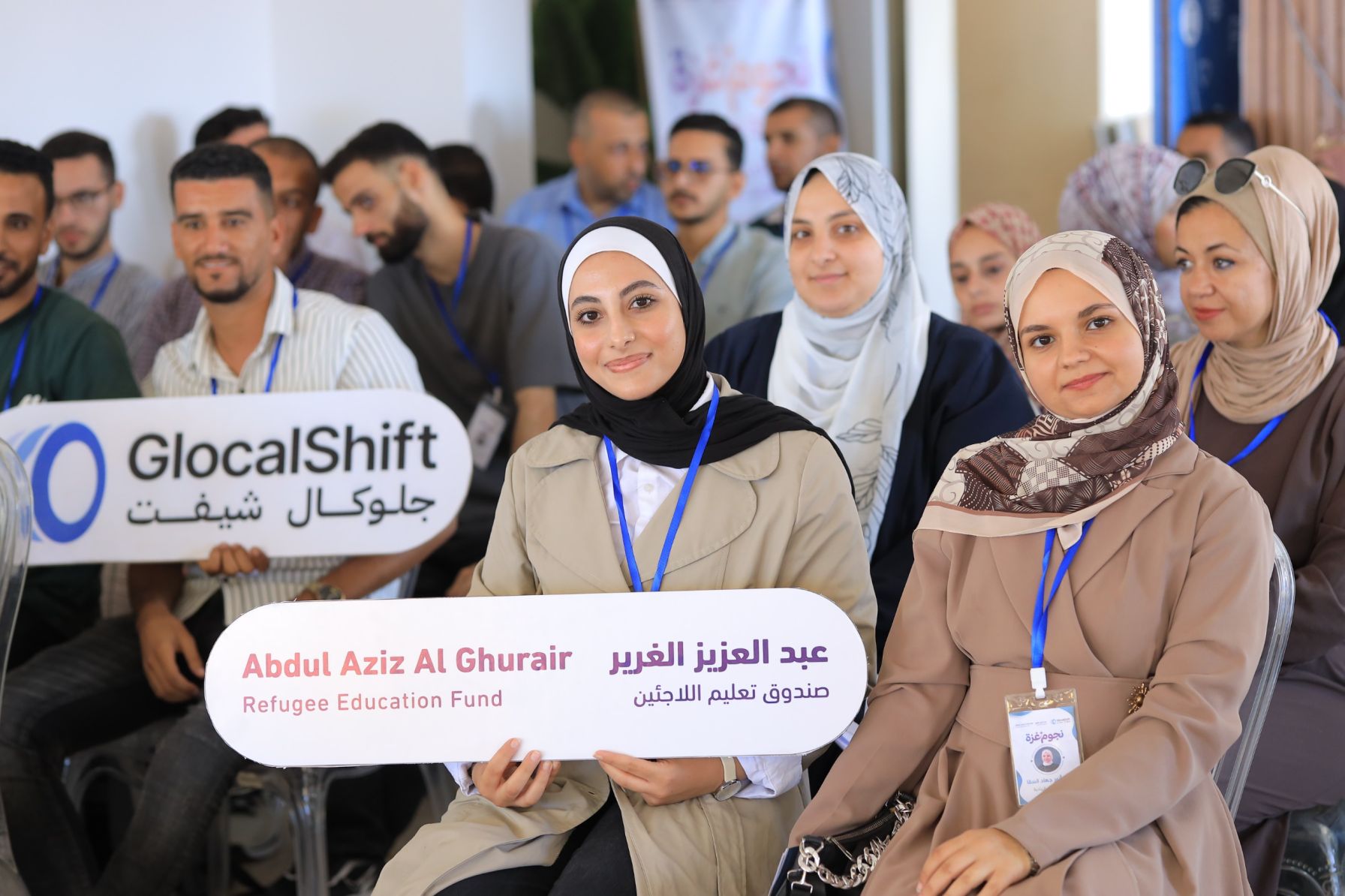
Recognising these challenges, GlocalShift, in partnership with the Palestinian Engineers Association, Gaza Centre, convened the Shelter Partners Forum in Gaza, bringing together representatives from Palestinian ministries, municipalities, United Nations agencies, humanitarian organisations, academic institutions, the private sector, engineers and technical experts.
The forum provided a space for national and international actors to move beyond immediate response and begin discussing what dignified recovery should look like.
Participants examined the current shelter situation across Gaza, access to water and sanitation, public health challenges, international shelter standards, institutional responsibilities, land and housing issues, transitional shelter approaches and priorities for reconstruction.
The discussions reflected a growing recognition that rebuilding Gaza cannot simply mean replacing what has been destroyed. Recovery must strengthen communities, restore public services and place Palestinian expertise at the centre of planning and implementation.
The role of engineers, urban planners, municipalities, humanitarian organisations and local institutions is therefore not only technical. It is fundamental to shaping communities that are safer, more resilient and better prepared for the future.
Recovery begins with listening
Humanitarian planning often starts with numbers.
The people of Gaza remind us that it must also begin with listening.
Behind every statistic is a family.
Behind every tent is a different story.
A mother searching for somewhere cooler for her children to sleep.
A father carrying water despite recovering from surgery.
Families living with the fear that another evacuation order could erase what little stability they have managed to rebuild.
One displaced resident expressed it with remarkable clarity.
"If the sea of Gaza were turned into ink, it still would not be enough to write the suffering of its people."
Recovery cannot be designed without these voices.
Their experiences should inform policy, investment and reconstruction just as much as engineering assessments and humanitarian data.
From dialogue to action
The Shelter Partners Forum concluded with a shared commitment to translate its discussions into practical policy recommendations that will be presented to humanitarian partners, international organisations and donors.
The objective is not only to improve coordination.
It is to help shape a collective vision for recovery that responds to the realities people face every day and supports reconstruction that is sustainable, locally informed and centred on human dignity.
At GlocalShift, we believe that meaningful recovery begins by bringing together those who understand the challenges from every perspective, including displaced communities themselves, local institutions, technical experts and international partners.
.jpeg)

.jpeg)

%20-%20frame%20at%200m21s.jpg)