
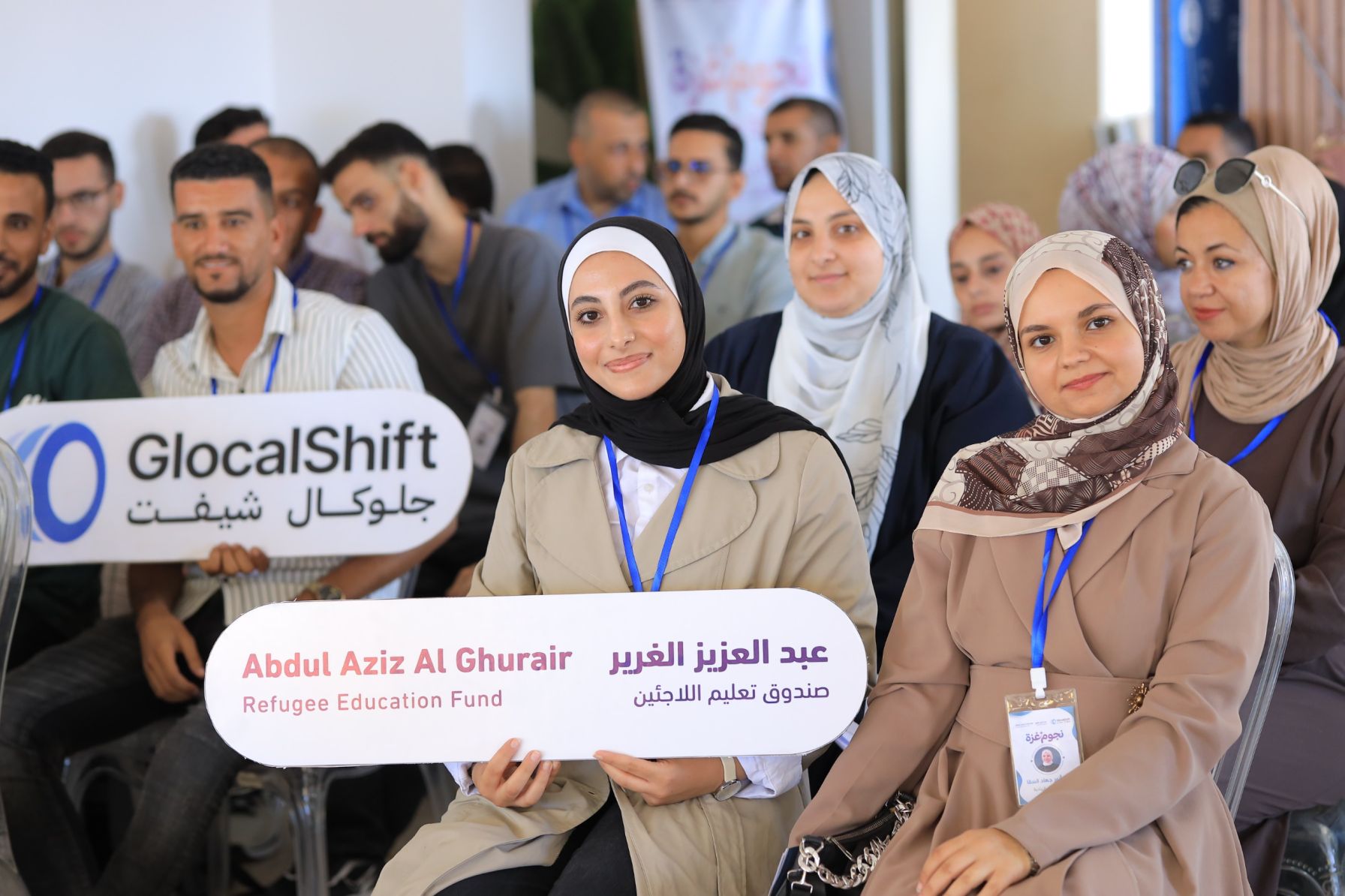
Gaza Stars has named its ten winning businesses, chosen from more than 2,000 applications after six months of bootcamps, training and mentorship across two tracks: Innovation and Startup Recovery.
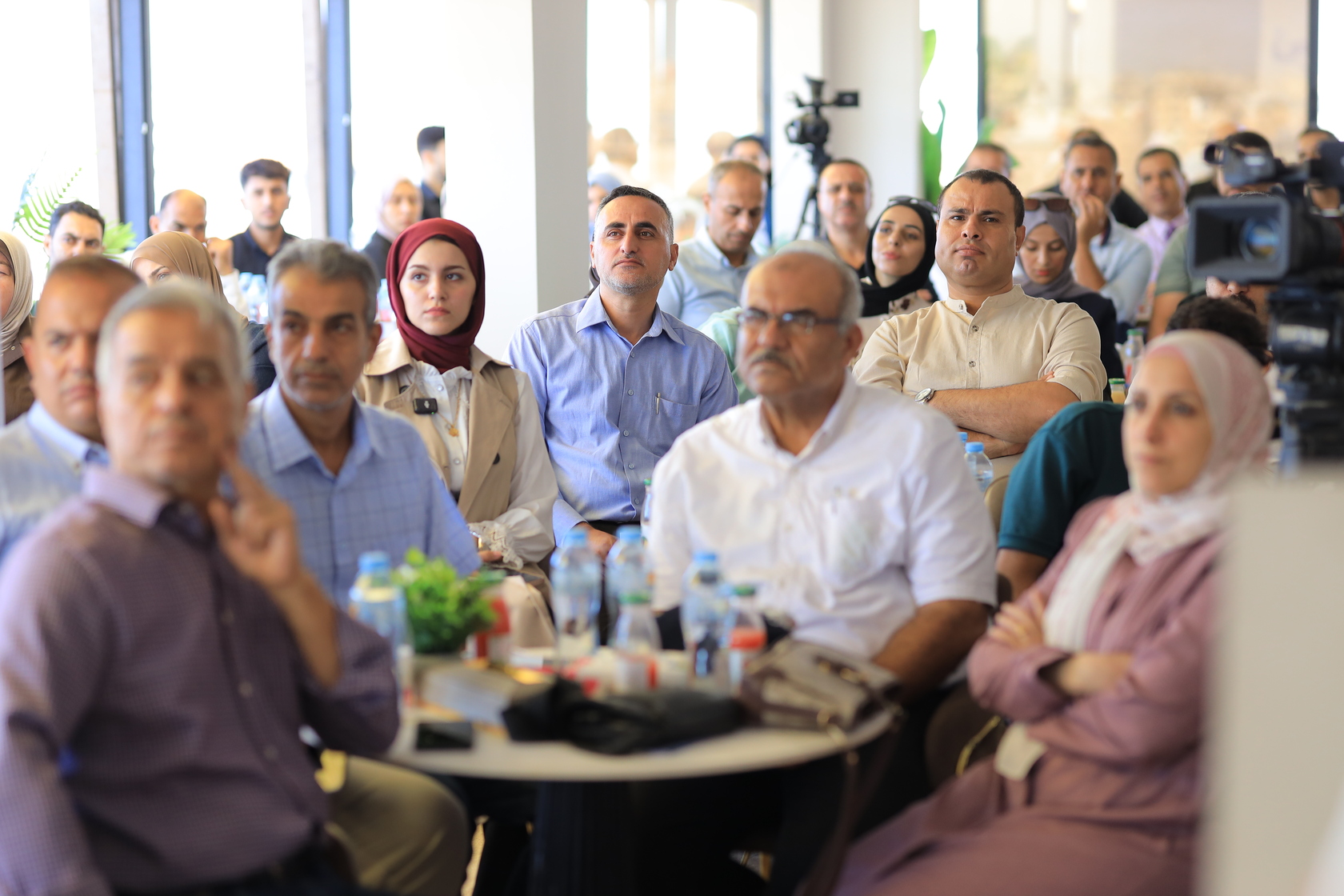
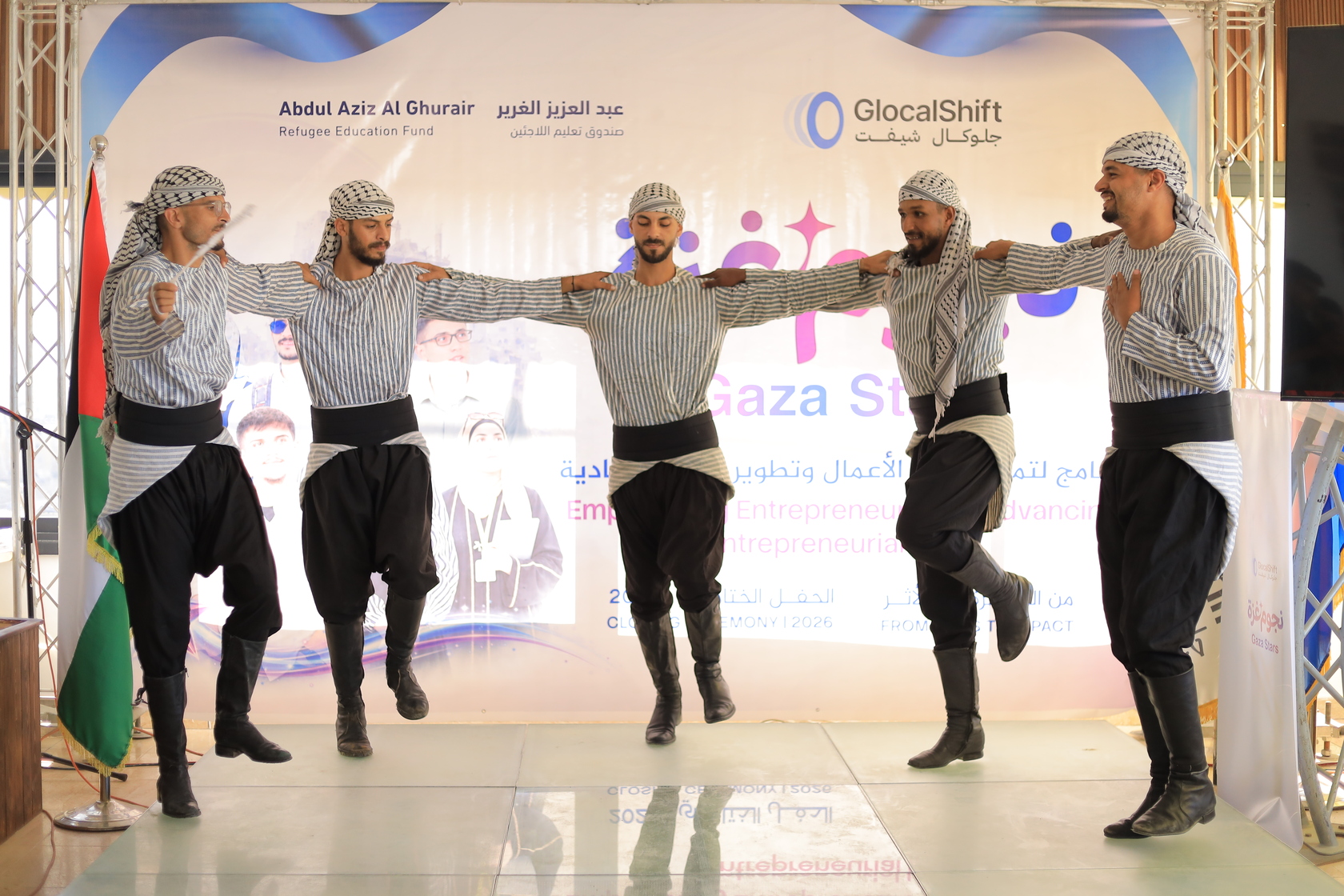
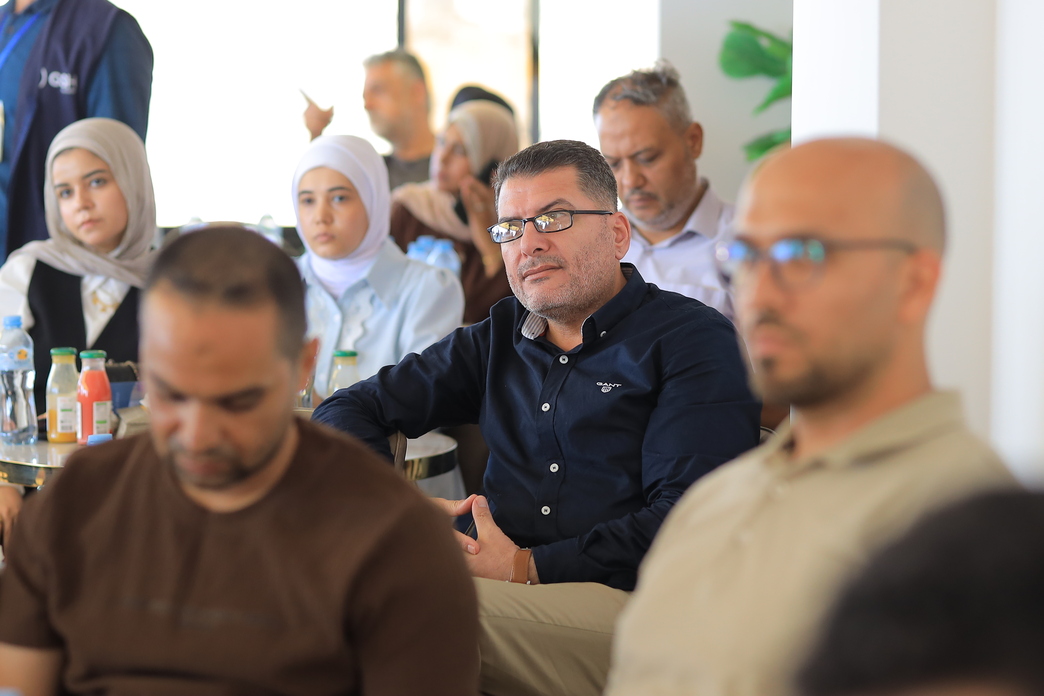
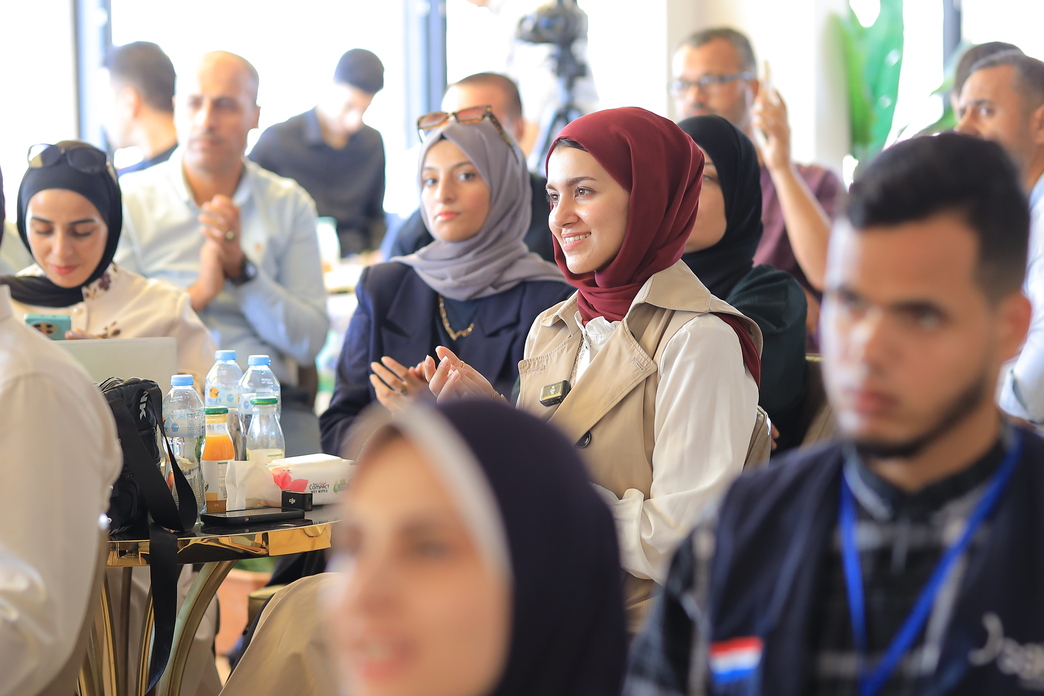
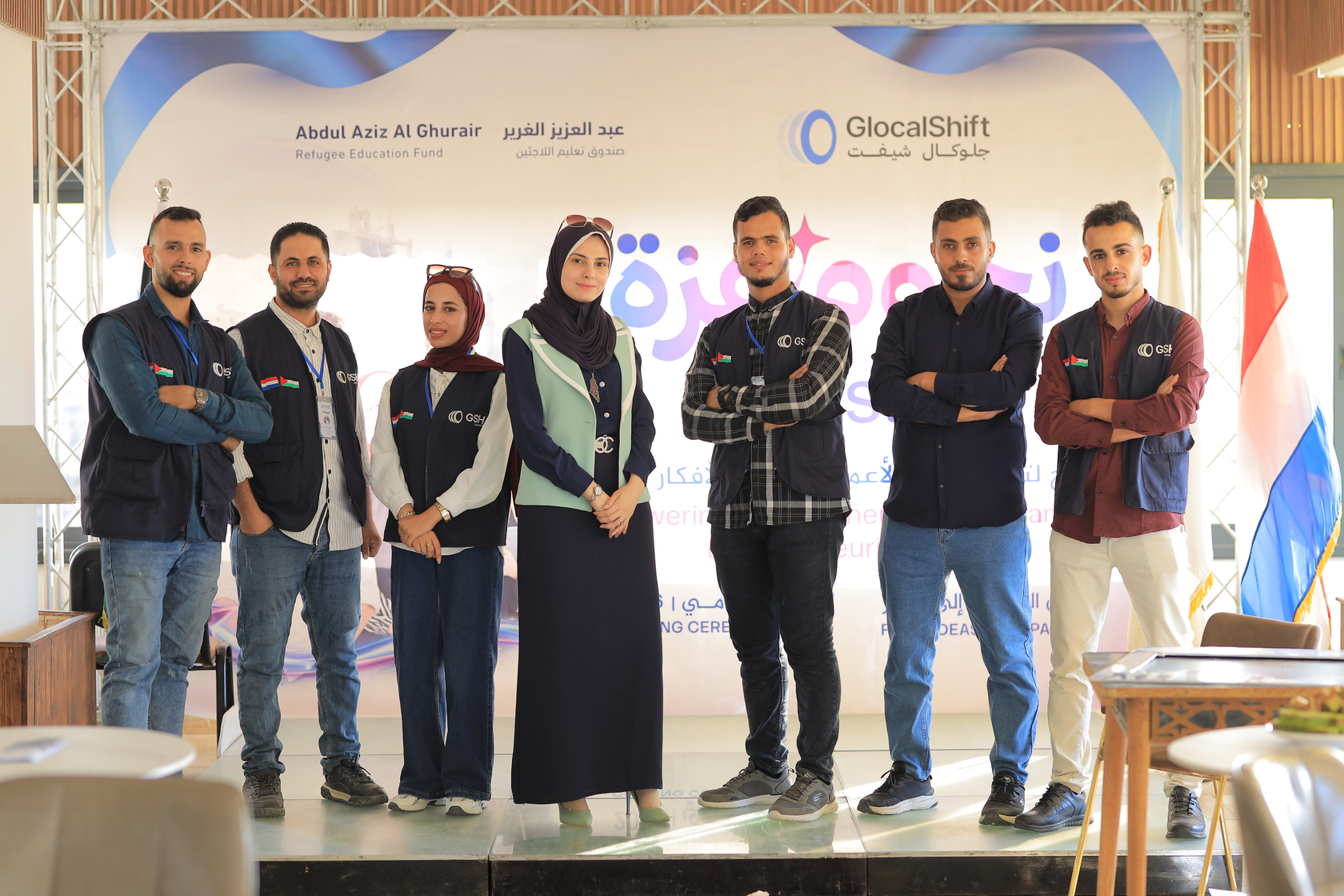
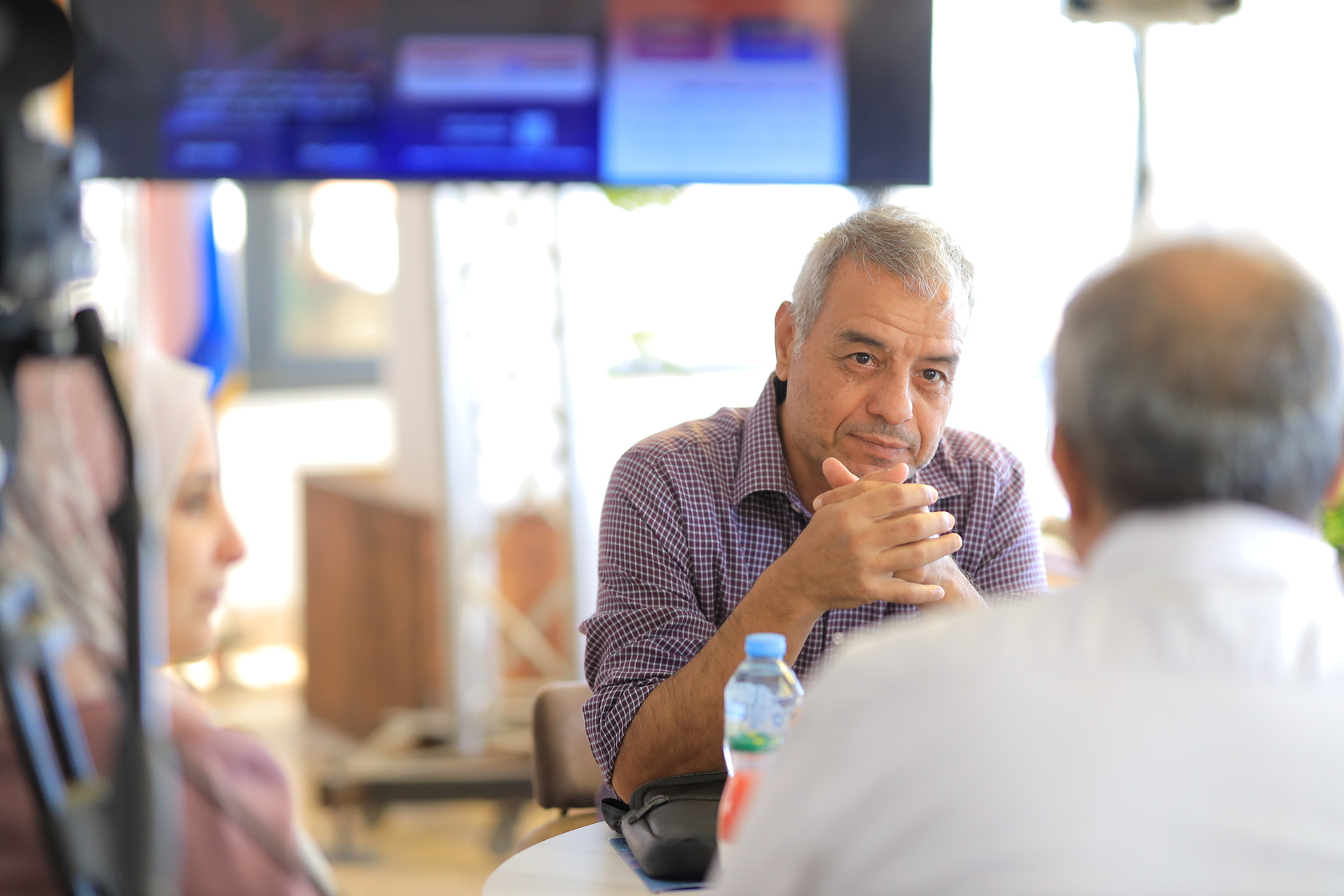
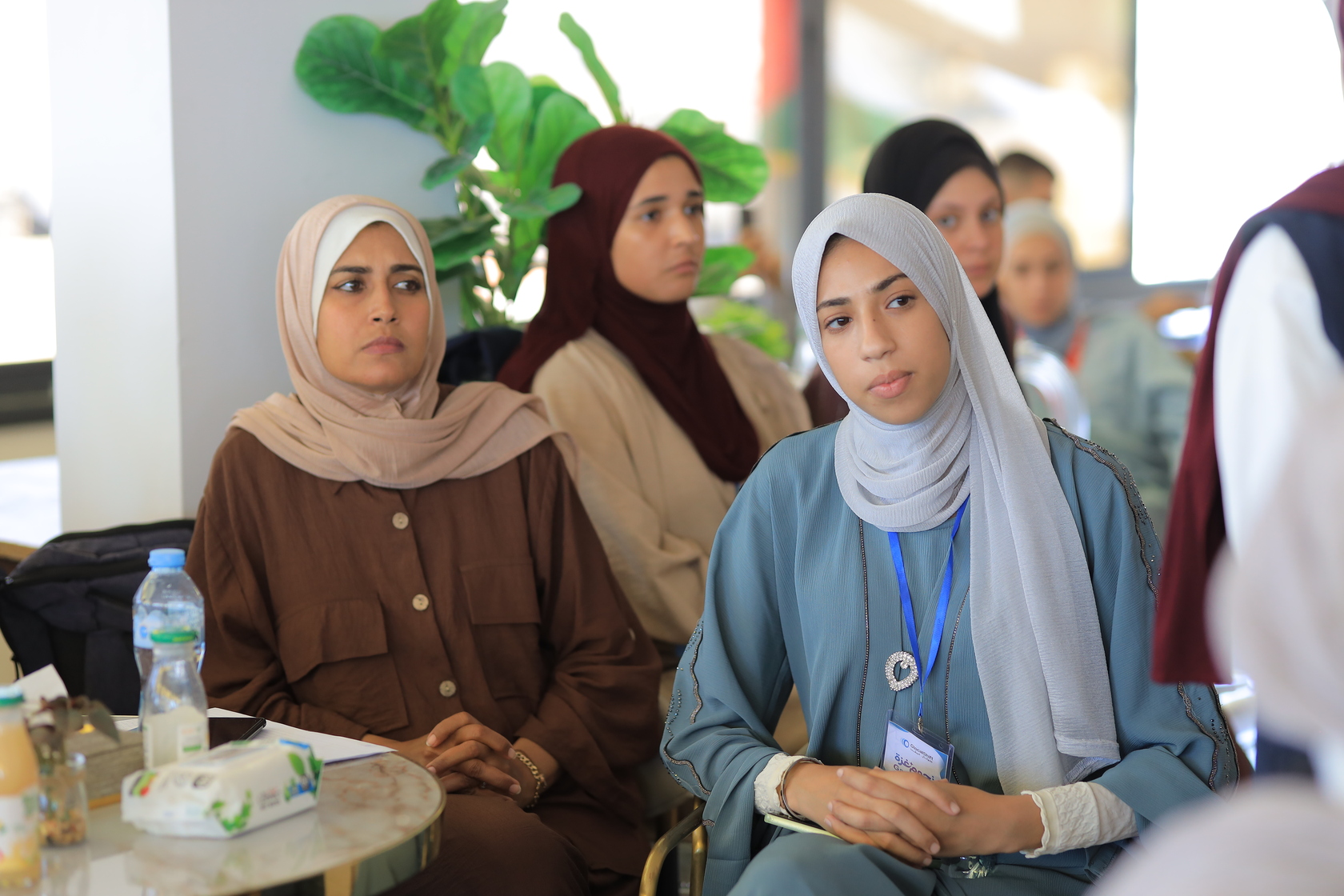
The winners were announced on 22 September at the programme's final pitch competition and closing ceremony, held at Burj Murtaja overlooking the Roof of Palestine Stadium in Gaza City. GlocalShift's Palestine office and the Abdul Aziz Al Ghurair Refugee Education Fund were joined by representatives from Gaza's business and NGO community, including the Palestinian NGO Network and the Business Association, for final presentations, panel feedback and the award of $36,000 in combined seed funding.
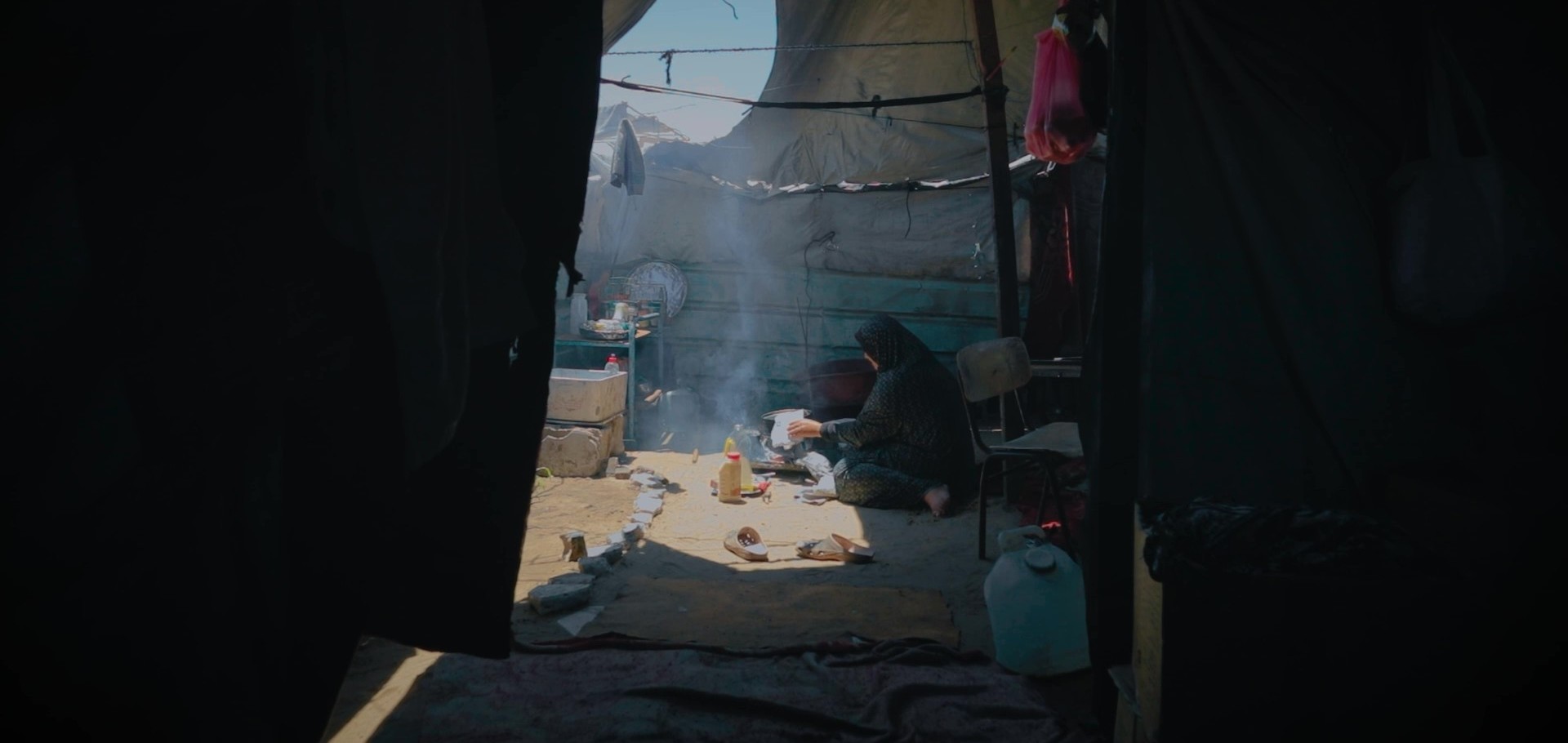
It is the first startup competition to take place in Gaza since the 2023 war on Gaza began, launched into a difficult economic reality: an estimated 70% of Gaza's small and medium sized businesses have been destroyed, around 85% of jobs lost, and youth unemployment sits near 75%. Even so, 70% of young entrepreneurs said they were ready to restart their businesses with support, and 60% already had new ideas shaped by post war needs. Before the war, Gaza had a recognised digital outsourcing sector, with IT, e-commerce, agritech and women led micro enterprises among its strongest industries.
The first cohort ran from April to October 2026, taking more than 2,000 registered entrepreneurs from all five Gaza governorates through to a closing ceremony six months later. Of those who applied, 300 were accepted, 150 into Recovery and 150 into Innovation, with at least 40% women or vulnerable youth among them. Accepted businesses spanned renewable energy, food production, recycling, edtech, freelancing, e-commerce, logistics, agritech and health.
Participants moved through an open call and bootcamps first, then structured training and pitch rounds, then seed funding, mentorship and follow up. Eighty three entrepreneurs progressed through tailored mentorship covering market validation, business models, financial planning, minimum viable products and pitching, before 30 projects reached the final stage.
.jpg)
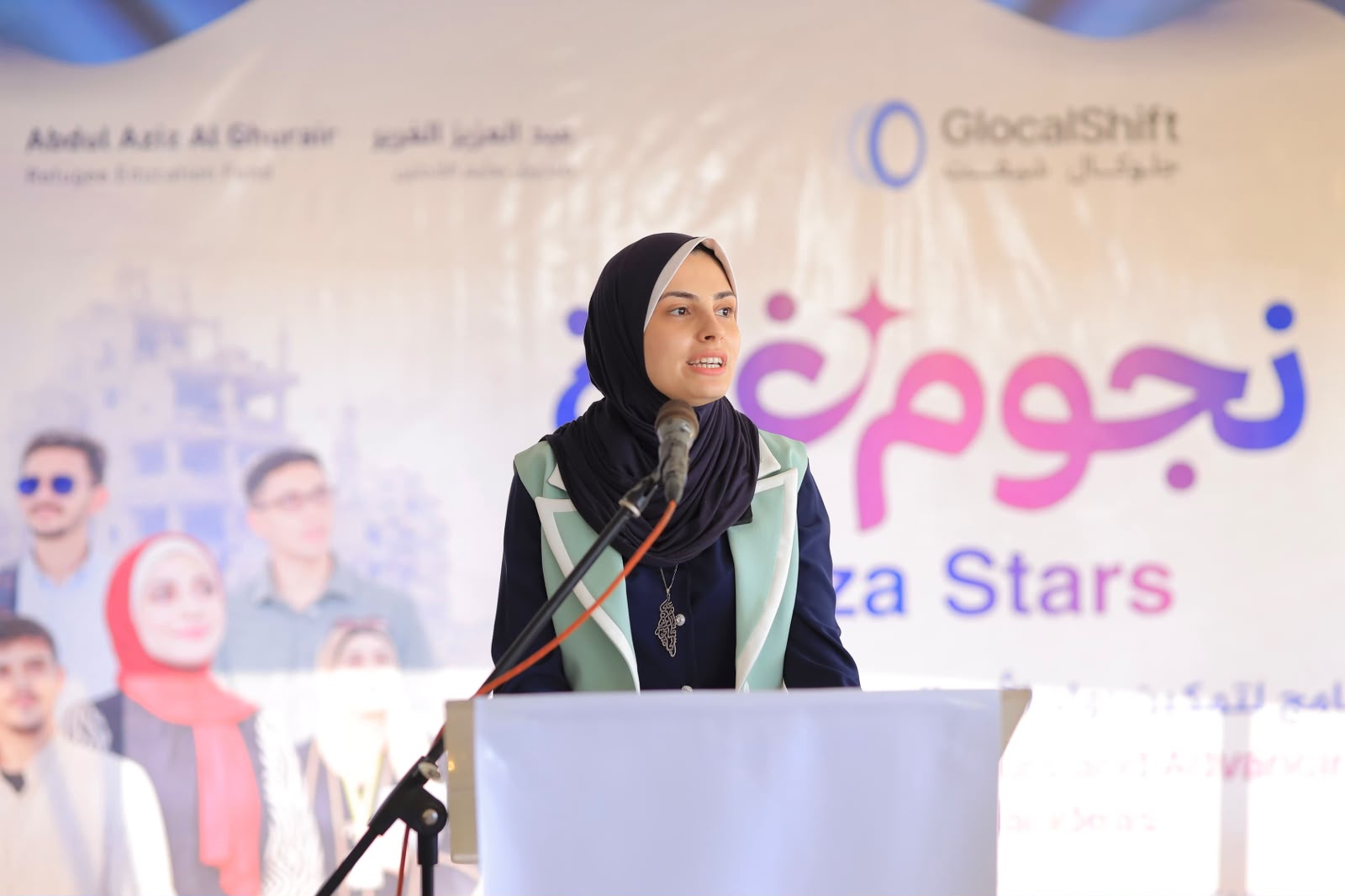
Ghadir Shehadeh, GlocalShift's Palestine Office Director, said the ten winners are only one part of a much wider programme. Over the past six months, 300 entrepreneurs have taken part in training designed to help them restart businesses they lost during the war or develop new ideas in response to Gaza's changing needs.
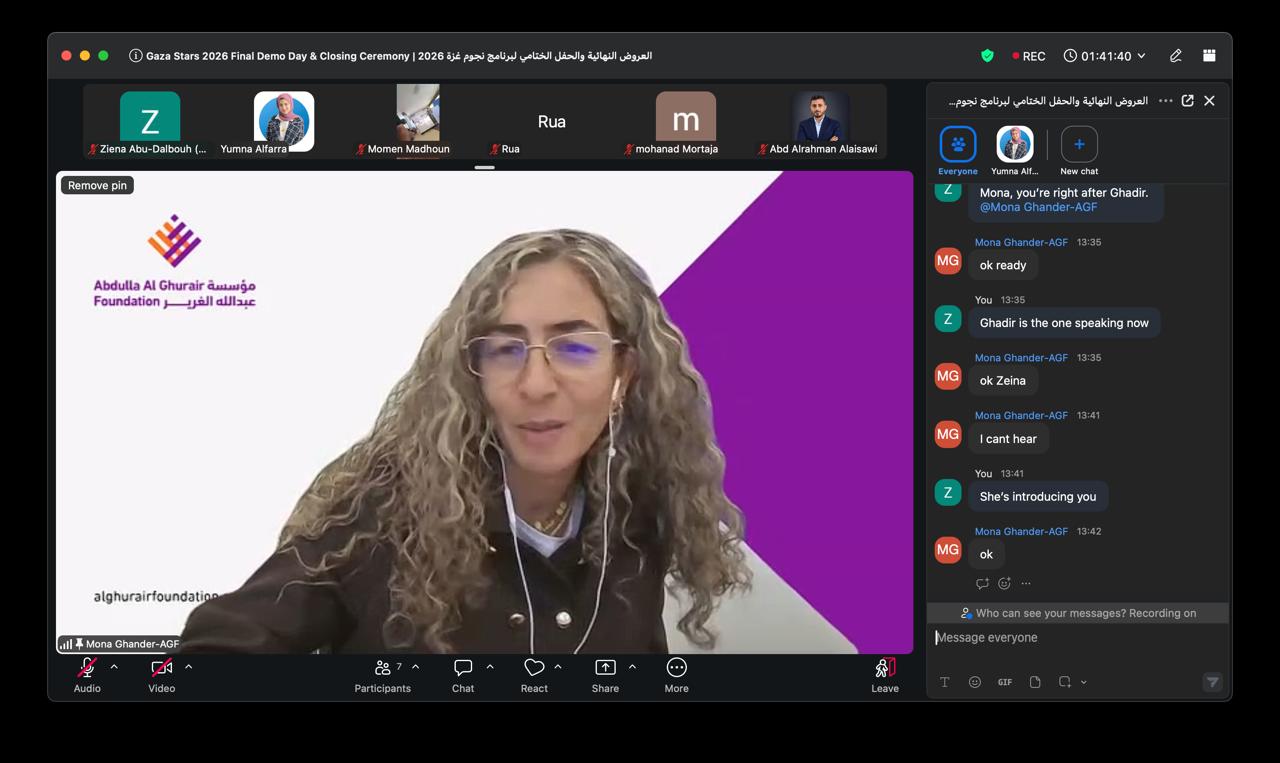
Mona Ghander, Senior Vice President for Innovative Solutions and Strategic Partnerships at the Abdul Aziz Al Ghurair Refugee Education Fund, also emphasised the longer term approach behind Gaza Stars. Rather than focusing only on the final competition, the programme combined training, mentorship and seed funding to help participants build businesses that can continue beyond the programme itself.
Meet the winners
Each track awarded $18,000 across five places: $7,000 for first, $5,000 for second, $3,000 for third, $2,000 for fourth and $1,000 for fifth, for $36,000 in total seed funding across the ten winning teams.
Innovation Track
New products and new business models, built for what Gaza needs now.
First place: Neural Farm, $7,000 Rami Taysir Nihad Al Samak built Neural Farm to help farmers cope with fast changing conditions, combining artificial intelligence with local farm data to send growers practical alerts on crop health, soil conditions and irrigation.
.jpg)
Second place: Namaa, $5,000 Mohammad Rafiq Ali Qandil's Namaa converts organic and agricultural waste into compost and liquid fertiliser, cutting reliance on imported chemical inputs.
.jpg)
Third place: Edfa3li, $3,000 For freelancers and remote workers in Gaza, getting paid by international clients is often the hardest part of the job. Mohammad Amjad Mohammad Fakhri Abu Warda built Edfa3li, a digital payments platform, to help move that money through more quickly and securely.
.jpg)
Fourth place: Wafra, $2,000 Ahmad Mahmoud Nayef Zaarab's Wafra links poultry farming and hatching with waste recycling. Discarded material becomes fertiliser and animal feed, and production costs come down as a result.
.jpg)
Fifth place: Rawasi, $1,000 Sara Anwar Jihad Al Saqqa founded Rawasi to process crushed demolition rubble into low cement concrete mixes for local structural work and repairs, using data driven testing to control the properties of the finished material.
.jpg)
Startup Recovery Track
These businesses were operating before the war. Their founders are now trying to restart them after losing equipment, customers, workplaces or access to supplies.
First place: YAFA MOBILE, $7,000 Mohammad Talaat Al Deeb Baraka runs a smartphone repair centre handling programming, fault diagnosis, data recovery and spare parts, work that matters more when replacing a device outright isn't realistic.
.jpg)
Second place: Beit Al Anaqa for Fashion and Tailoring, $5,000 Israa Ayman Atta Siyam is rebuilding her tailoring workshop, producing made to measure clothing and alterations built around each customer's size and preferences.
.jpg)
Third place: Wafaa Print, $3,000 Wafaa Fouad Saeed Masmah's Wafaa Print specialises in high quality digital photo albums, made with materials meant to preserve family memories for years.
.jpg)
Fourth place: Walaa Kitchen, $2,000 Walaa and Hanaa Khaled Youssef, together with Iman Mohammad Youssef, bake fresh goods, sweets and appetisers to order for families, institutions and events.
.jpg)
Fifth place: Samar Medical Laboratory, $1,000 Samar Ahmad Ramadan Abu Dhahir is restocking her lab's diagnostic equipment and adding a home sample collection service, for patients who find it difficult to travel in.
.jpg)
What happens next
Evaluators looked past the pitches themselves, at whether each business could realistically create jobs and generate income once the programme ended. All 300 participating entrepreneurs, not just the ten winners, went through the same hands on training: 150 existing startups supported, 150 young people trained. Over the next 12 to 18 months, the ten winning businesses are projected to create 200 to 250 jobs and reach roughly 500 people indirectly across the Gaza Strip.
Gaza Stars is delivered through GlocalShift's Learning to Earning initiative, in partnership with the Abdul Aziz Al Ghurair Refugee Education Fund, and is locally led through Palestinian trainers, Gazan facilitators and diaspora mentors.
Gaza Stars is part of GlocalShift's Learning to Earning initiative, delivered in strategic partnership with the Abdul Aziz Al Ghurair Refugee Education Fund. The programme is fully locally led, with Palestinian trainers, Gazan facilitators, combining international expertise with on the ground knowledge.


.jpg)
%20-%20frame%20at%200m21s.jpg)
.jpeg)
