
Sixty-five humanitarian professionals representing forty-three international, regional, and local organisations met in Amman on 21 and 22 February 2025 for the Gaza Taskforce Workshop. The event marked a major step towards strengthening humanitarian coordination and shaping a long-term recovery vision for Gaza.
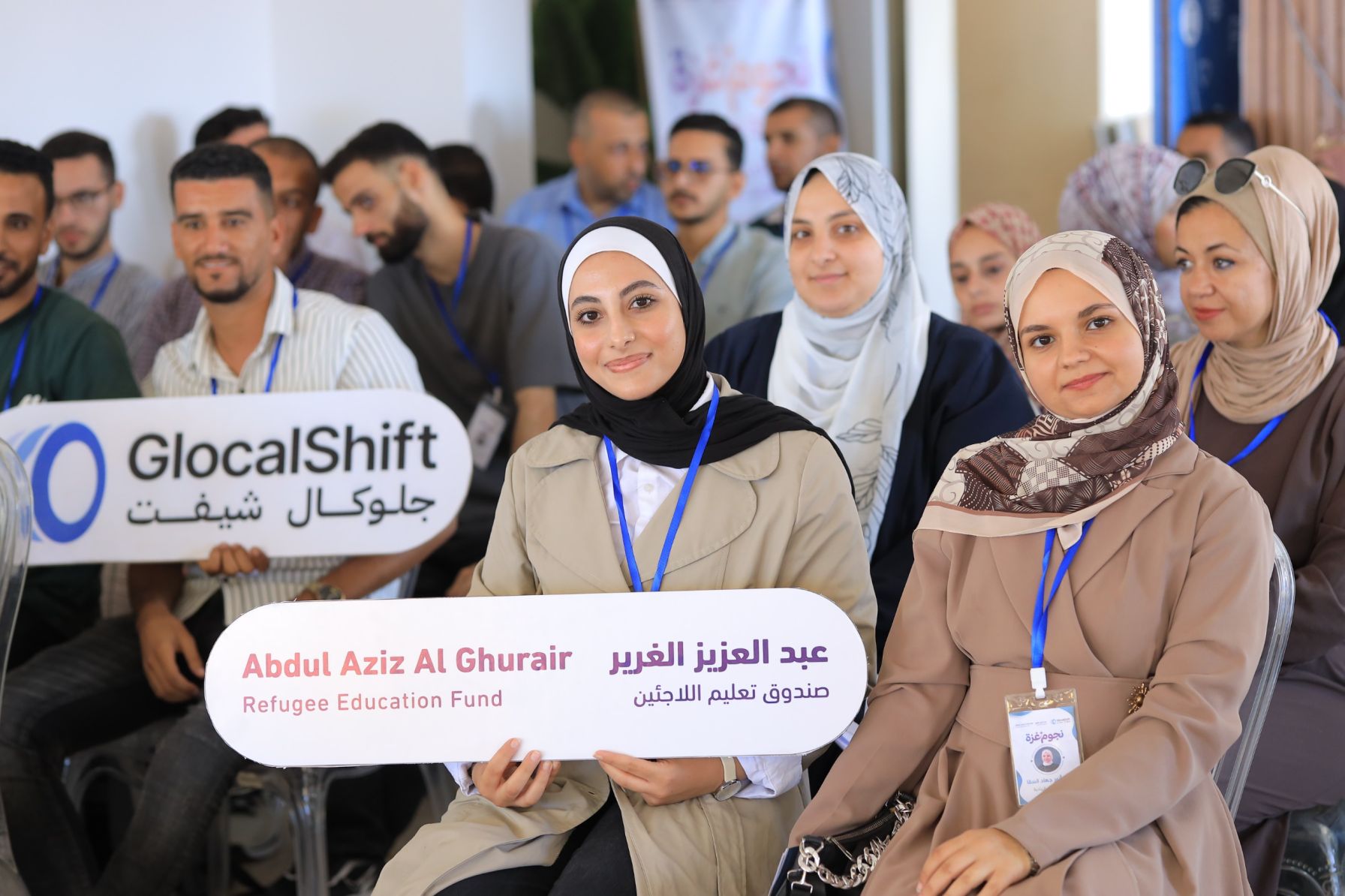
Organised by the GlocalShift Foundation (Netherlands) in cooperation with the Jordan Hashemite Charity Organisation (JHCO) and the International Islamic Charity Organisation (IICO), the workshop concluded with the release of a comprehensive Position Paper and the establishment of a Community of Practice to enhance collaboration and promote Gaza-led solutions.
The gathering brought together representatives from the Middle East, Europe, and the Gulf region, including United Nations agencies, international and local non-governmental organisations, and donor institutions. Participants worked collectively to identify concrete steps to rebuild Gaza’s essential infrastructure, revitalise its economy, and strengthen local governance and resilience.
“This workshop represents a shared commitment to ensure that Gaza’s recovery is shaped by its people, supported by partners who listen, align, and act together,” said Mohammed Skaik, Co-Executive Director at GlocalShift Foundation. “Our aim is to move from fragmented responses towards a coordinated, Gaza-led recovery framework.”
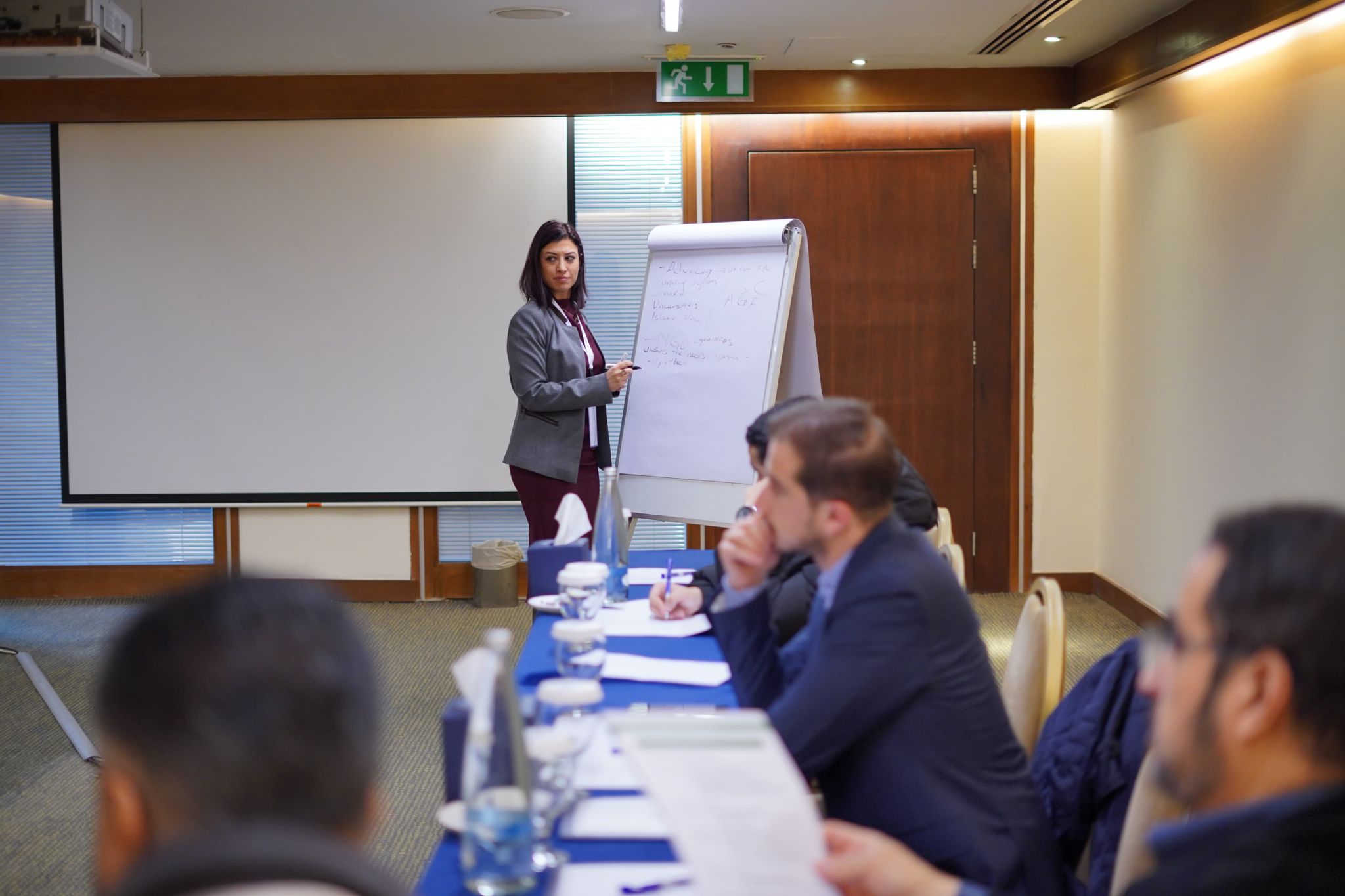
The Position Paper highlights four main priorities for action:
- Humanitarian Response and Coordination – Enhancing collaboration, resource tracking, and access to essential materials.
- Localisation and Governance – Ensuring that Gaza-based organisations play a central role in planning and decision-making.
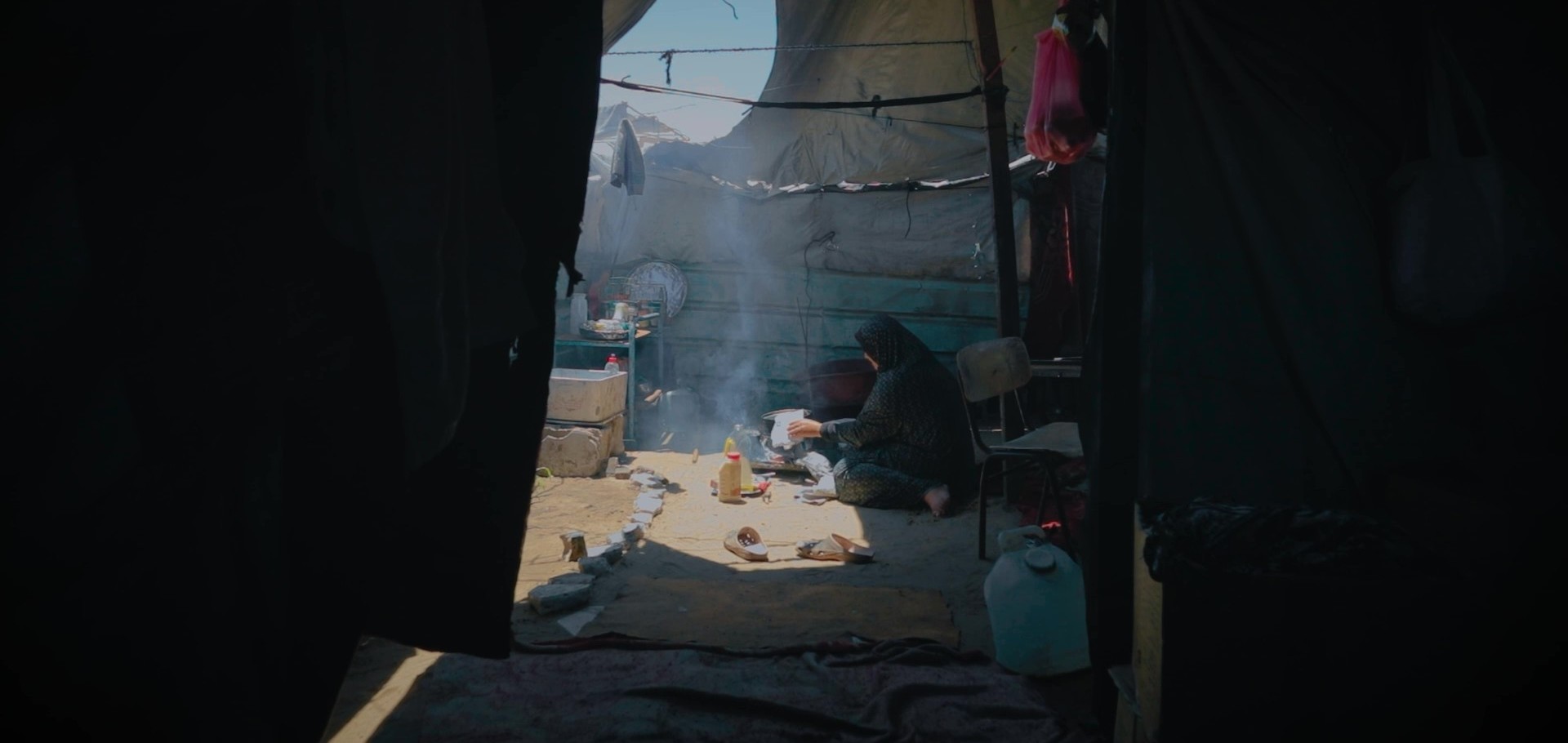
- Transition from Humanitarian Aid to Early Recovery – Promoting sustainable livelihood strategies and long-term resilience.
- Donor Coordination and Funding – Strengthening transparency, diversifying funding sources, and engaging both Western and Arab donors.
To turn these priorities into practice, sectoral task forces have been established to focus on:
• Shelter and urban reconstruction
• Basic services including water, sanitation, and electricity
• Health, covering medical infrastructure, supply chains, and workforce development
• Economic empowerment, supporting market access, financial inclusion, and job creation
• Education, addressing school reconstruction, digital learning, and vocational training
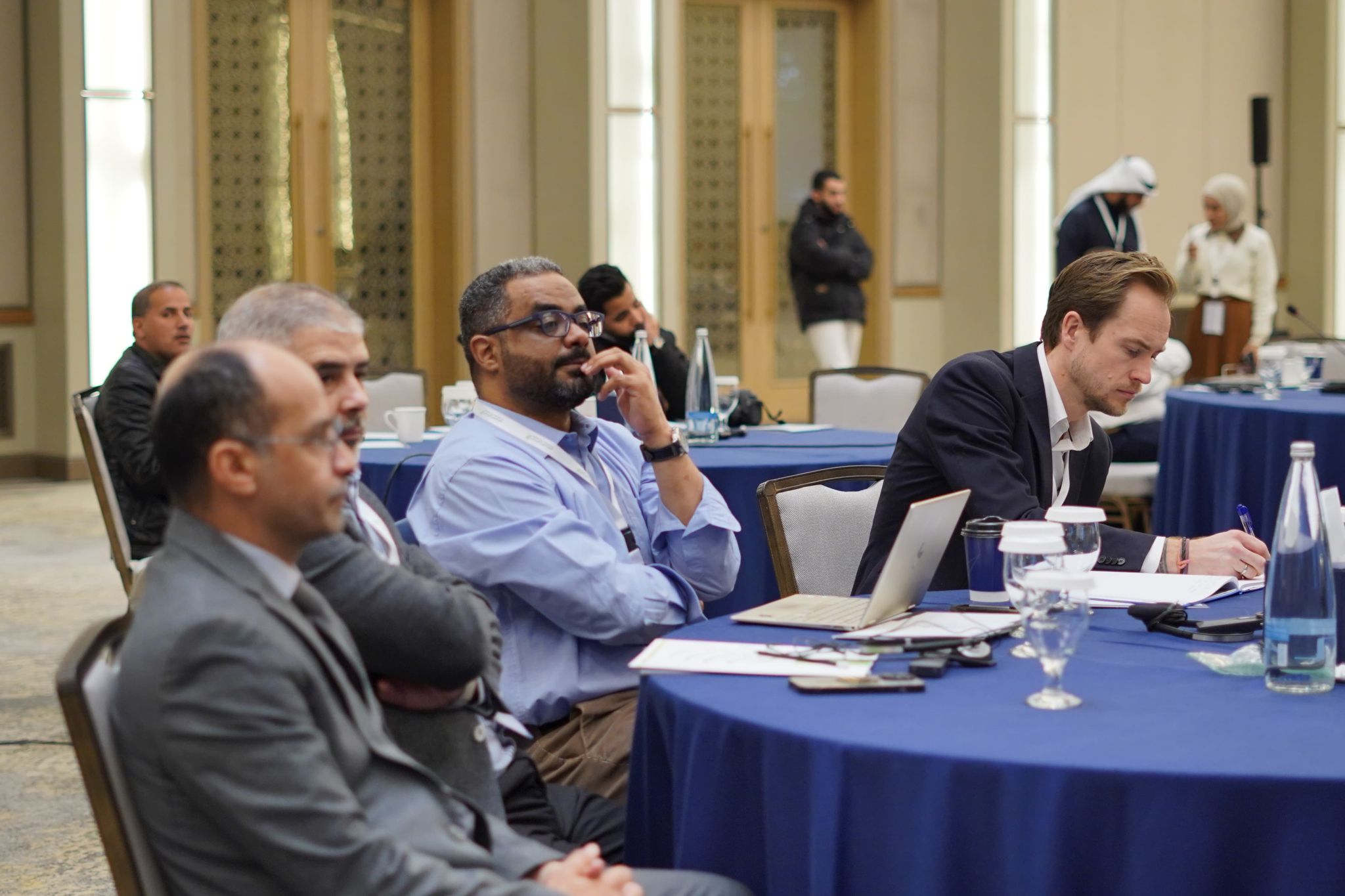
The newly created Community of Practice will provide a sustained platform for knowledge exchange, capacity-building, and coordination among local and international actors. It will work closely with existing UN clusters to ensure that recovery efforts are coherent, transparent, and inclusive.
“The Community of Practice is not another coordination mechanism but a living network that enables shared learning, collaboration, and Gaza-led planning,” said Dr Tareq Emtairah, Director General of Taawon Welfare Association and lead of the Economic Empowerment Task Force.
The workshop outcomes and Position Paper will guide future donor engagement and programming, ensuring that recovery in Gaza is sustainable, inclusive, and grounded in the needs and aspirations of its communities.
.jpeg)


%20-%20frame%20at%200m21s.jpg)