
Two litres. That is what the average person in Gaza has access to each day in safe drinking water — less than a tenth of what emergency survival requires, and a fraction of what flows from a single tap left running for a minute in most of the world. Today, the United Nations is celebrating World Water Day.
Gaza's water crisis did not begin in 2023. That is the first thing to understand.
Since 1967, Israeli military authorities consolidated control over water resources across the occupied Palestinian territories. Under Military Order 158, issued that same year, Palestinians were prohibited from constructing any new water installation without a permit from the Israeli army, permits that in practice were almost impossible to obtain. The system that followed was not neglect. It was design.
By the time the war began, Gaza's only natural freshwater source, the coastal aquifer, was already being depleted by over-extraction and contaminated by sewage and seawater. According to Amnesty International, some 90 to 95 per cent of Gaza's water supply was considered unfit for human consumption. The average resident had access to around 83 litres per day, below the international standard of 100, but enough, barely, for a household to function.
Then the war came. And what had been a chronic condition became a collapse.
Water production across the strip has since fallen by more than 60 per cent. Eighty-five per cent of water facilities have been destroyed or damaged. The wastewater system, 80 per cent of which no longer functions, is pushing untreated sewage into the soil that feeds the aquifer, and over 25,000 improvised cesspits are accelerating the contamination. Experts say the clean-up could take decades.
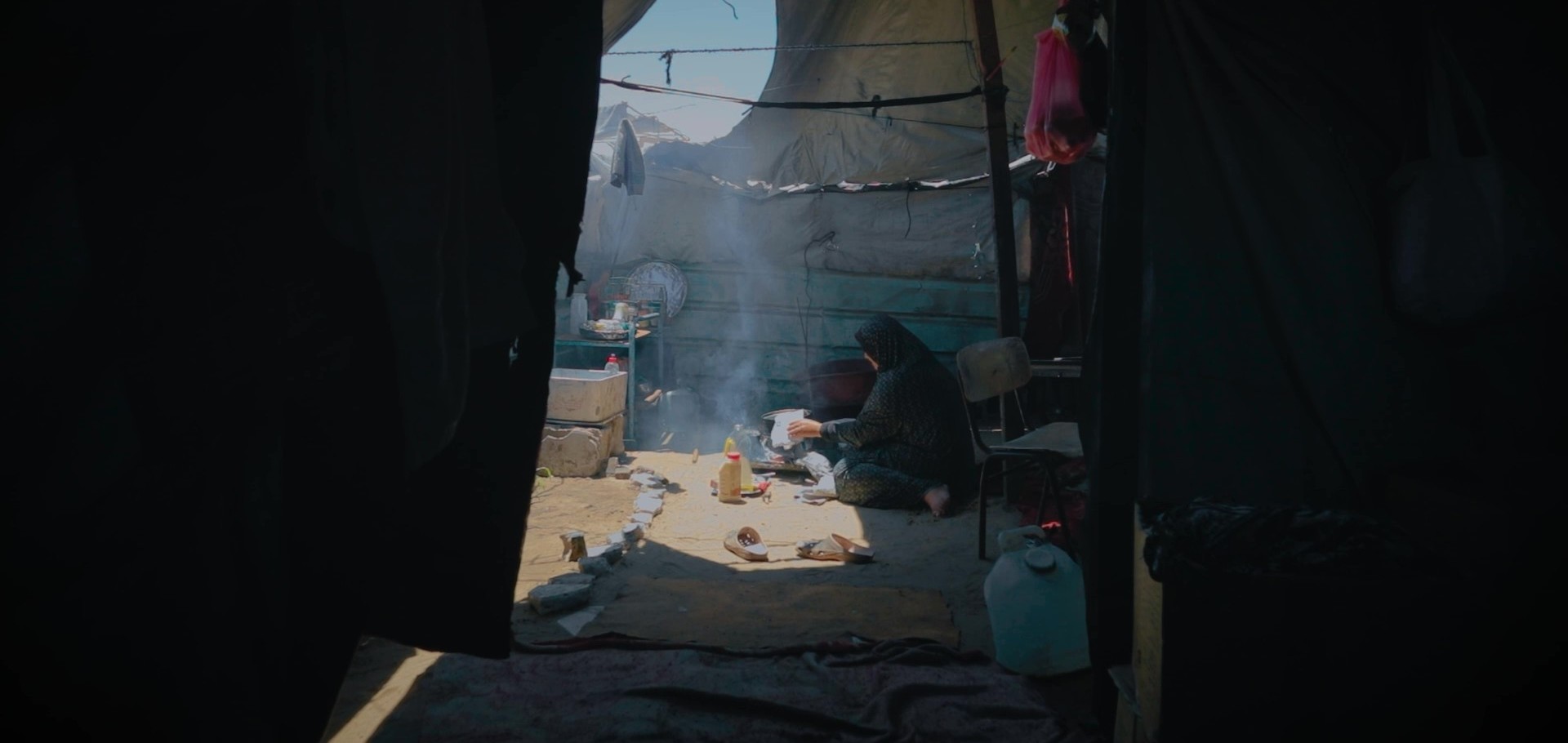
For women and girls, these figures translate into something far more physical: six to eight hours a day on foot, carrying whatever containers they can find. Those hours are not spent on education, work or the basic privacy that hygiene requires. Dignity, under these conditions, becomes something that has to be rationed.
The cost of rebuilding the water sector has been estimated at around 800 million dollars. What is needed immediately is considerably more modest: fuel for pumps, chlorine for treatment and permits for repair equipment. These things have not reliably arrived.
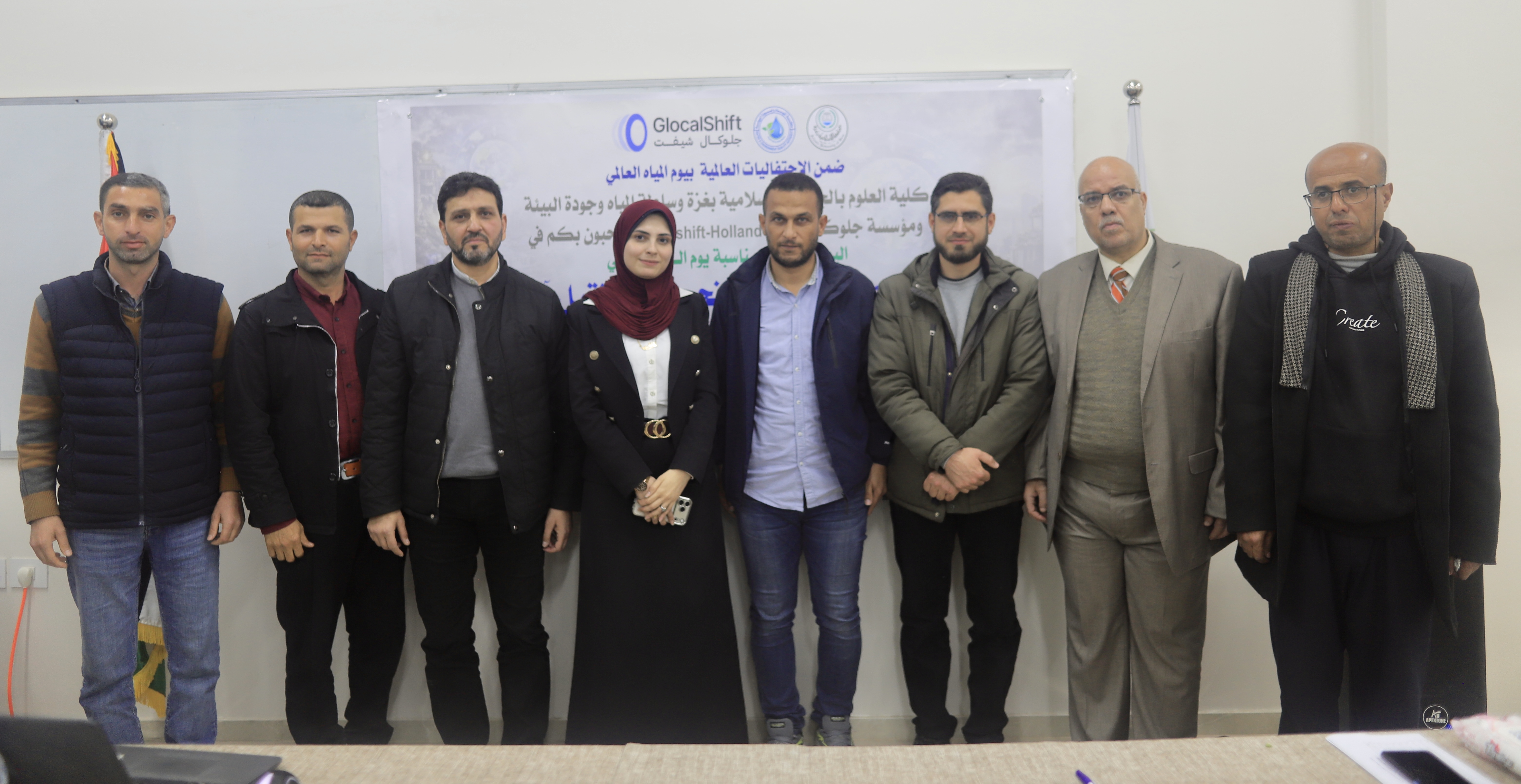
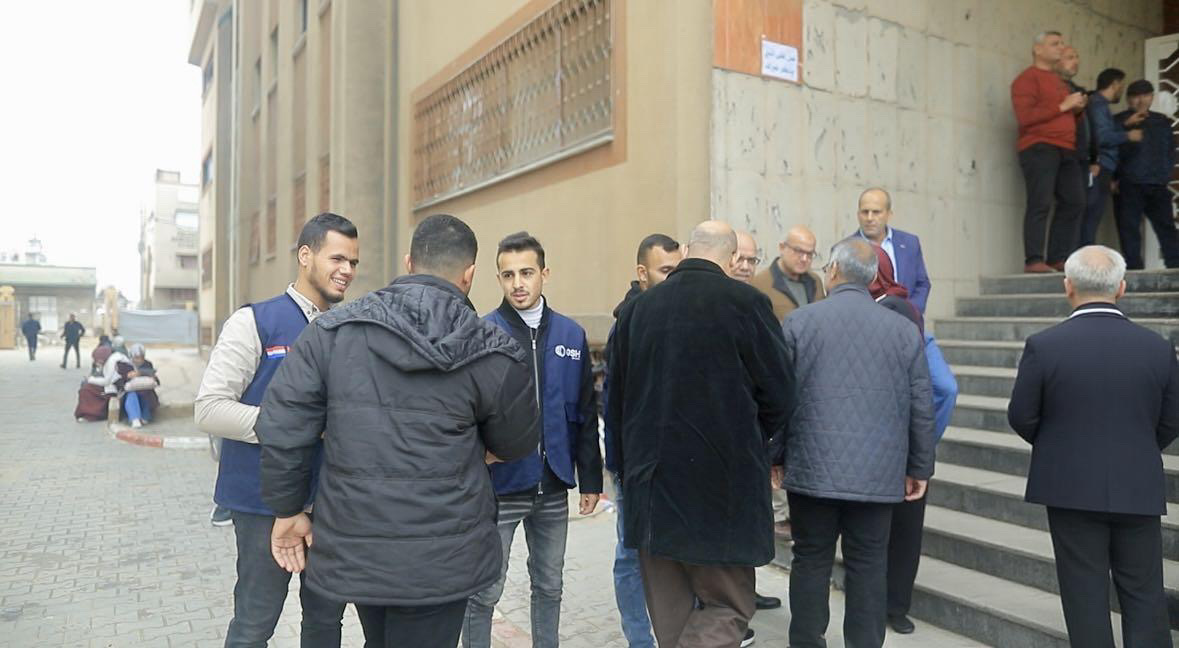
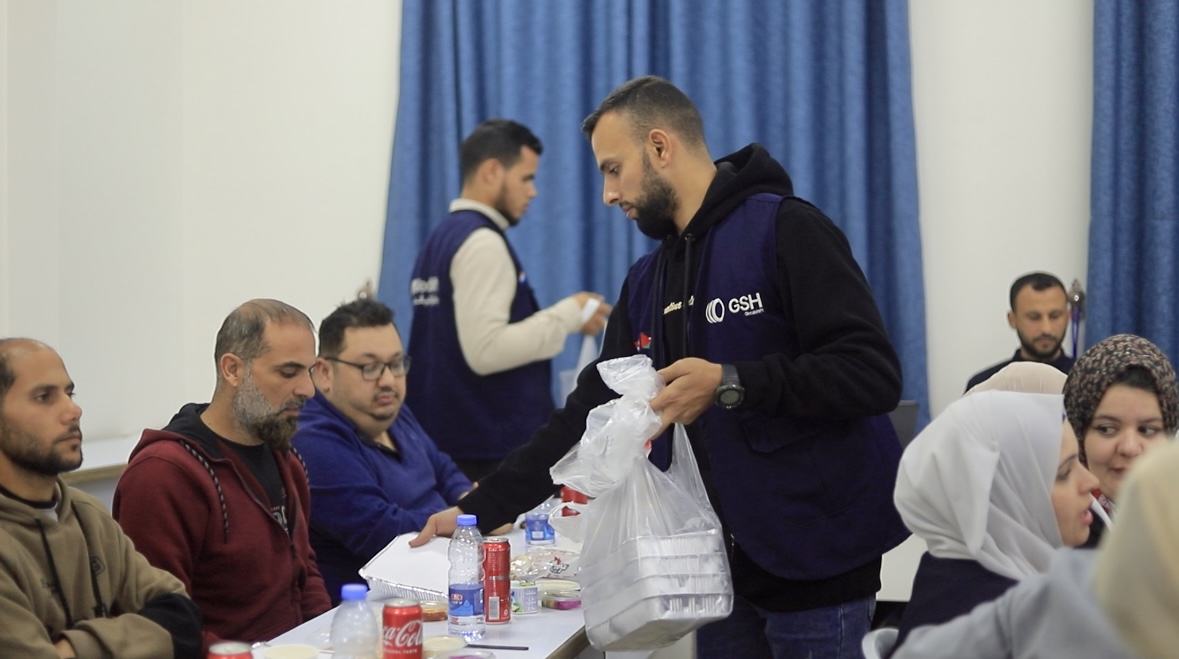
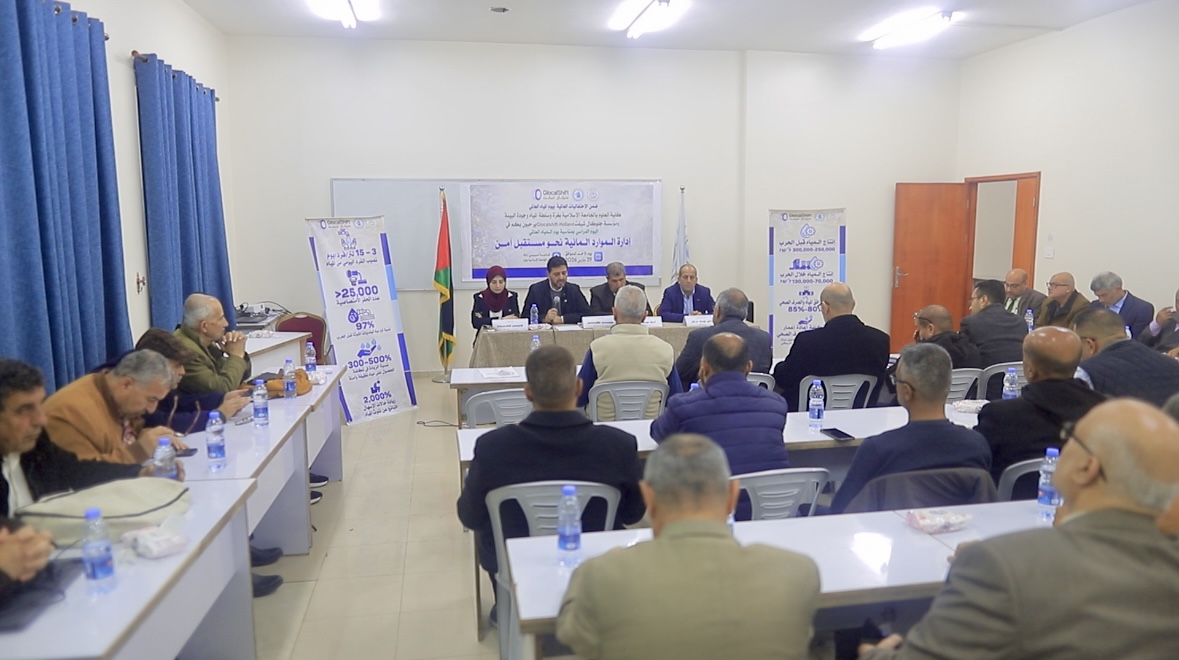
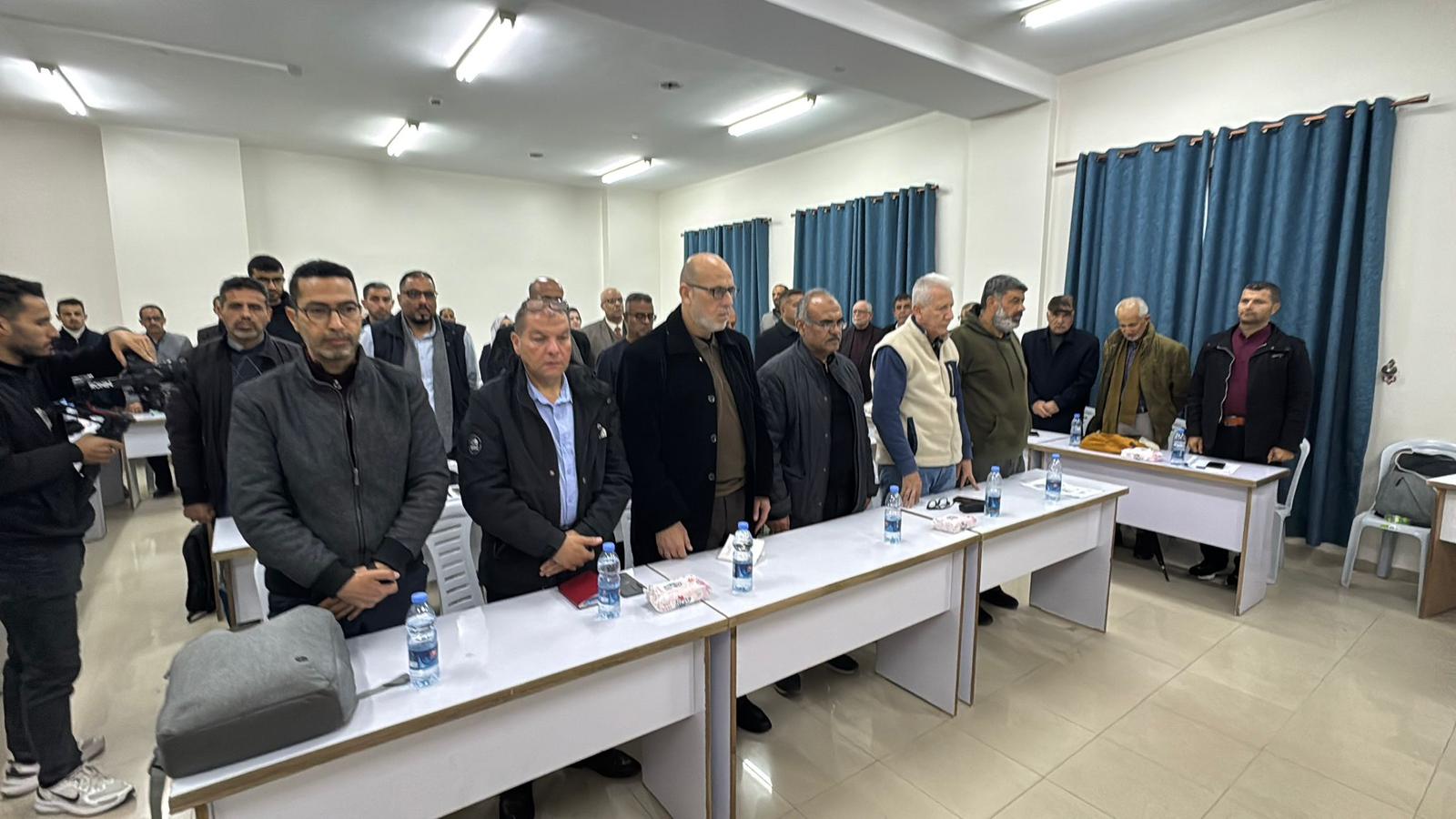
Which is why the gathering at the Islamic University of Gaza on the morning of 29th March carried a weight that went beyond its agenda.
.jpeg)
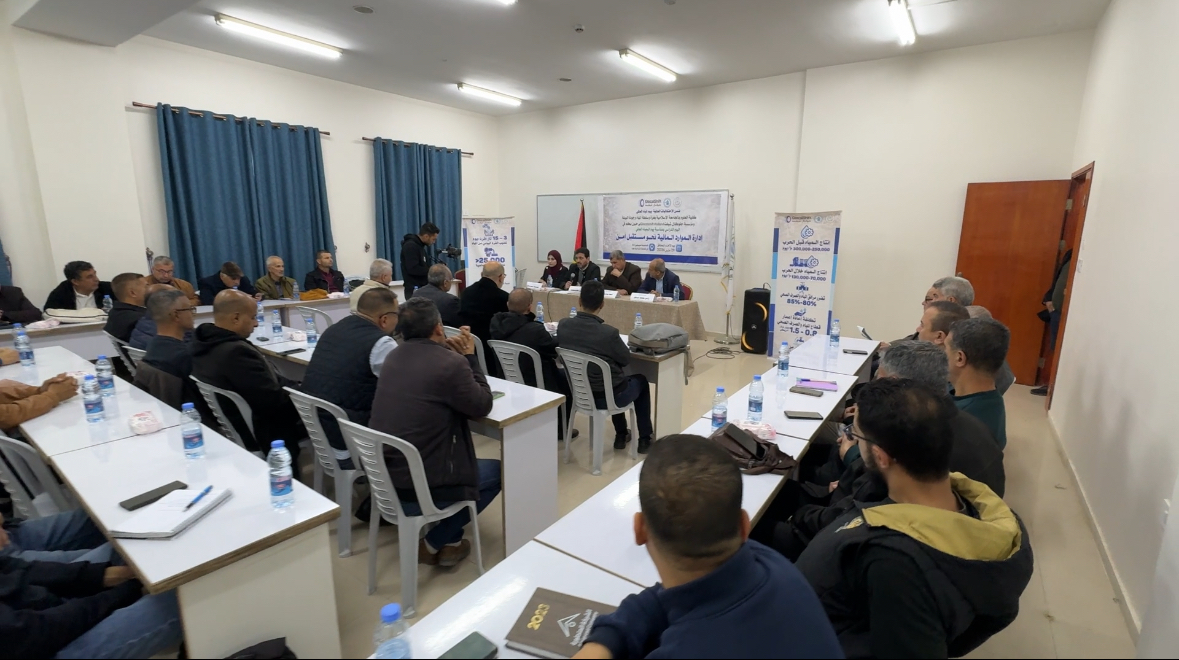
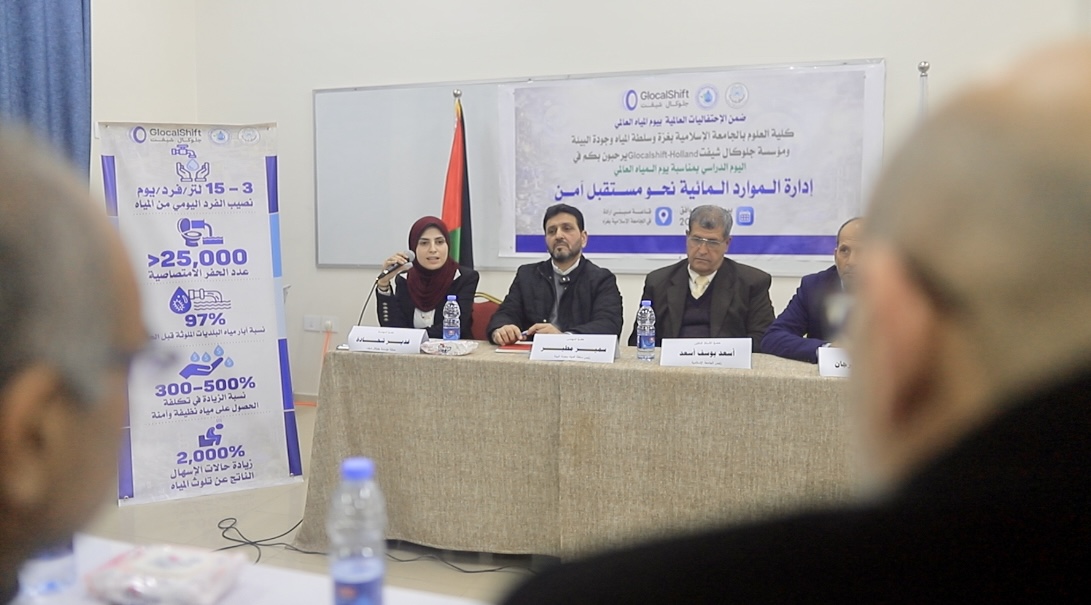
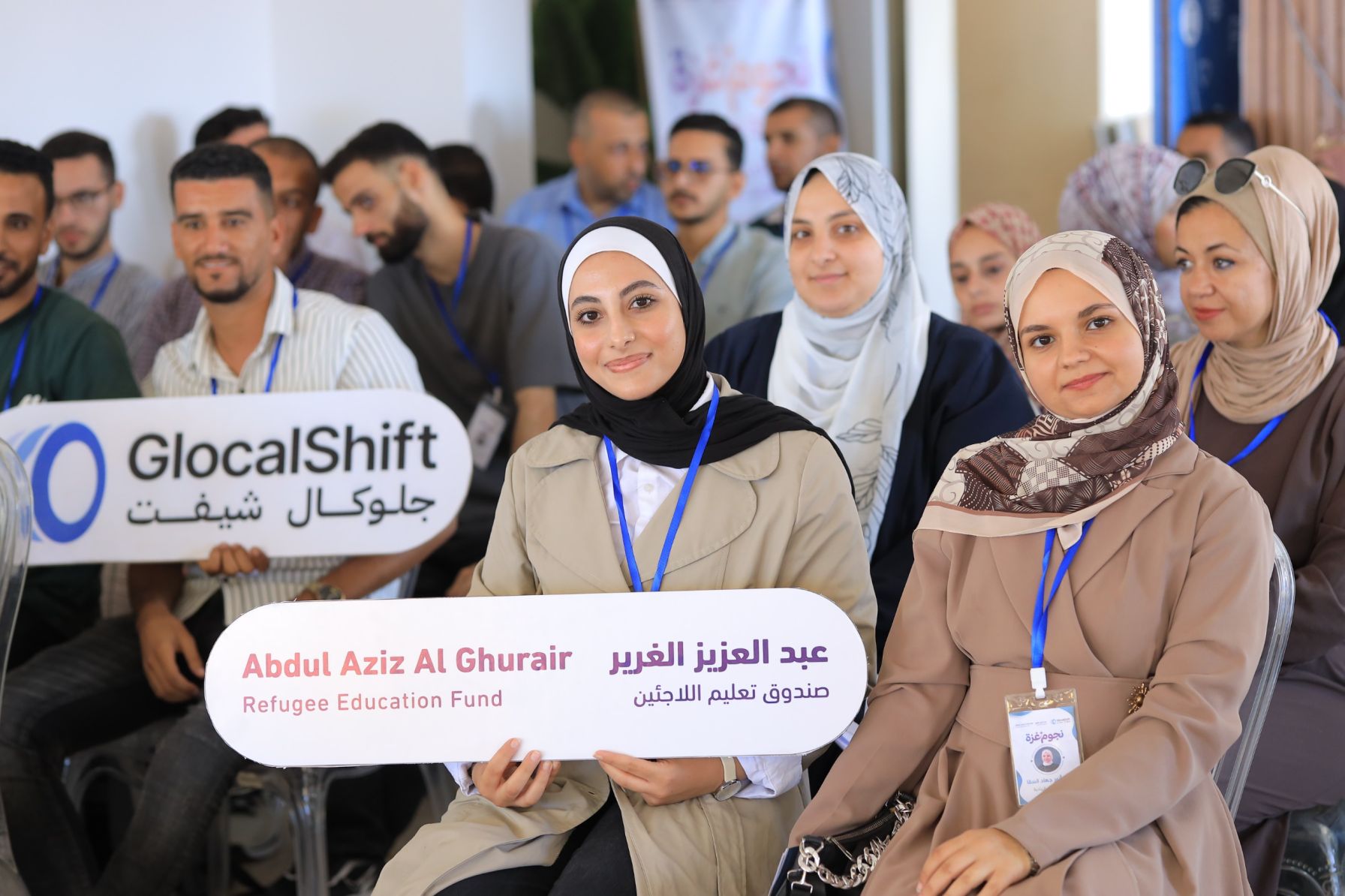
The event was organised by the Faculty of Science in partnership with the Palestinian Water and Environment Quality Authority, and sponsored by GlocalShift Foundation, under the title Water Resource Management: Towards a Secure Future. University President Prof. Asaad Asaad opened by noting what the occasion itself represented. "Life is returning to us," he said. "Education returns first, and then education returns life to students, and through them to society. This scientific day is clear evidence of that return."
For a university that had spent two years barely functioning, the statement was not rhetorical. It was a fact.
Engineer Samir Mutayyir, head of the Water and Environment Quality Authority, addressed the broader reality directly. "We meet in a reality different by every measure," he said. "Water is no longer simply a service. It has become a marker of challenge and steadfastness." He framed the crisis not as a shortage but as a question of justice, a distinction that matters when scarcity is not accidental but structural.
Engineer Ghadeer Shahada of GlocalShift Foundation offered perhaps the most enduring framing of the day: "When you talk about water in Gaza, you are talking about resilience, about dignity, about the human capacity to keep going."
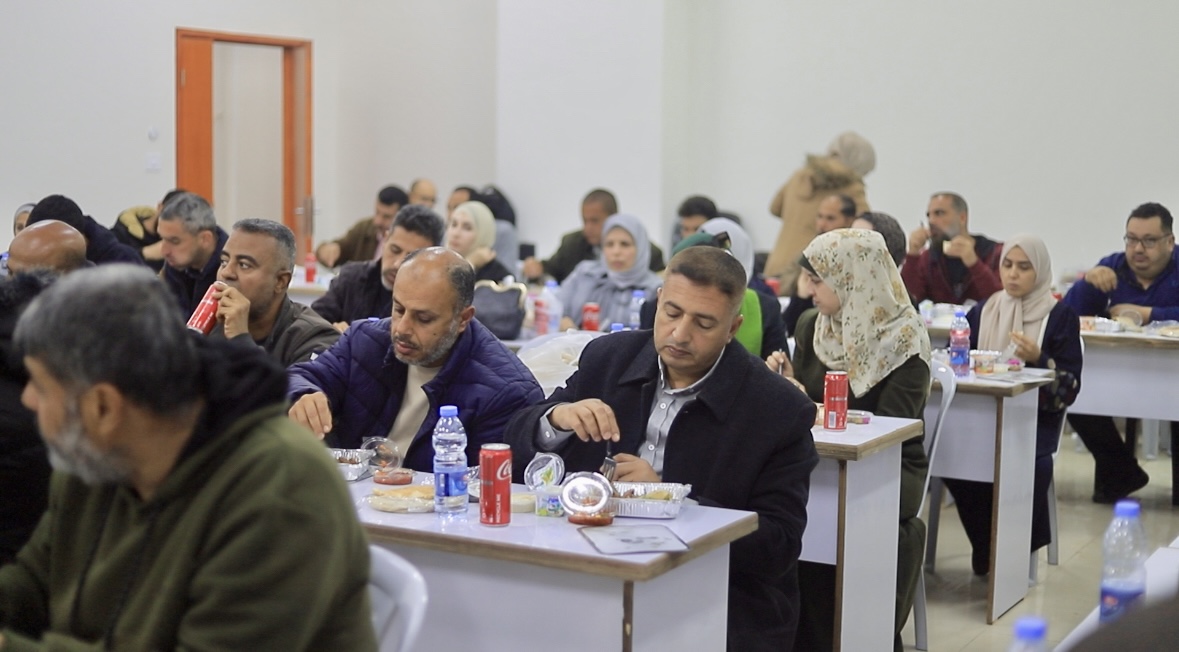
The working sessions moved through the full scope of the damage. Speakers from the Water Authority, Gaza Municipality, the Ministries of Health and Agriculture, the municipality of Deir al-Balah and UNICEF addressed wartime infrastructure management, agricultural irrigation, drinking water protection and the humanitarian response plan for 2026. Taken together, the presentations were less a conference programme than a collective act of reckoning: people who had watched a system they spent careers building be destroyed, now sitting down to think carefully about what comes next.
Mutayyir closed his remarks by describing the day as "a genuine starting point and a taking on of responsibility toward improving Gaza's water reality."
This year's World Water Day theme is Where Water Flows, Equality Grows. In Gaza, the water has almost stopped flowing. The people in that hall know it better than anyone, and they came anyway.
.jpeg)


%20-%20frame%20at%200m21s.jpg)