
.jpg)
This Eid, amid ongoing displacement, destruction, and economic hardship across the Gaza Strip, Glocal Shift worked with local teams and volunteers to distribute Eid clothing to more than 2,000 children across Gaza, alongside the distribution of Eid cookies to families in different areas of the Strip.
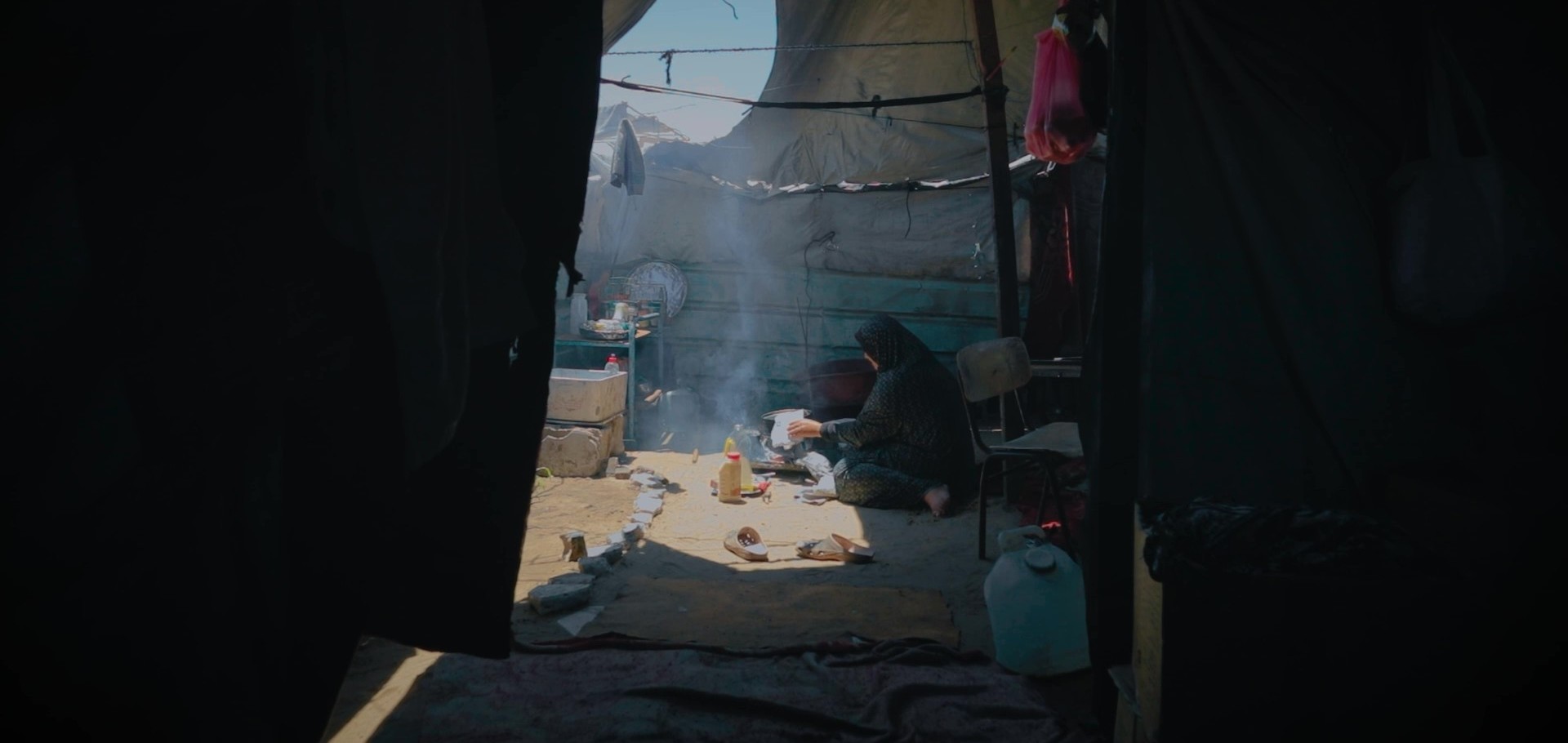
The distributions took place across north Gaza, central Gaza and the south, reaching displacement camps, schools sheltering displaced families, and homes where families are currently living in very difficult conditions. The aim was simple, to make sure children could still experience something that feels like Eid.
For many children, Eid is still defined by simple things such as new clothes, sweets, visiting relatives and taking photos. However, for many families in Gaza today, even buying children’s clothes has become impossible. With widespread displacement, loss of income and rising prices, families are prioritising food, water and shelter over everything else. In this context, Eid clothes are no longer a routine tradition, but something many children would have had to go without this year.
During the distributions, many children immediately asked where they would go wearing their Eid clothes. Some said they wanted to visit relatives, others wanted to take pictures, and some simply wanted to wear their new clothes on Eid morning. These small conversations were a reminder that, despite everything, children continue to hold on to the idea of Eid as a time of joy and celebration.
Alongside the clothing campaign, thousands of Eid cookies were also prepared and distributed to families. Eid cookies are an important part of Eid traditions in Gaza, usually prepared at home and shared with neighbours and relatives. This year, many families no longer have kitchens, ovens, or stable housing, which made preparing Eid cookies impossible for many households. Distributing cookies was therefore not only about food, but also about bringing back a familiar part of Eid that many families thought they would miss this year.
The Situation for Children in Gaza
Children make up roughly half of Gaza’s population, which means that around one million children live in the Gaza Strip. Since the beginning of the war, the vast majority of the population has been displaced, with many families forced to move multiple times. Large numbers of children are now living in tents, temporary shelters, schools or damaged buildings, often without stable access to education, healthcare or safe places to play.
Many parents explained during the distributions that this was the first time in months that their children had received new clothes. Others said they had been worried that Eid would pass without their children feeling that it was Eid at all.
Why Eid Still Matters
In Gaza today, Eid is no longer defined by large gatherings or big celebrations, but by small efforts to hold on to traditions. A new shirt, a box of Eid cookies, visiting relatives, or taking a photo in Eid clothes are now what make Eid feel like Eid.
This initiative did not change the difficult reality people are living through in Gaza, but for many families it marked the arrival of Eid in a year when many felt that Eid might pass unnoticed. For children especially, these moments matter. Choosing their clothes, smiling for photos and sharing cookies with siblings and friends are small moments, but they help families maintain traditions and give children a reason to celebrate even in very difficult circumstances.
.jpeg)


%20-%20frame%20at%200m21s.jpg)