
As Ramadan approaches, hundreds of thousands of displaced families across the Gaza Strip remain without adequate shelter or protection from winter conditions. According to the United Nations Office for the Coordination of Humanitarian Affairs, more than one million people are currently displaced, many living in overcrowded camps made up of fragile tents and improvised structures that offer little protection from rain and cold.
Winter storms over recent months have worsened living conditions. UN reports confirm that thousands of tents have been damaged by rain and flooding, leaving families exposed to cold nights, damp bedding, and increased health risks. Children, elderly people, and those with chronic illnesses are particularly vulnerable in these conditions.
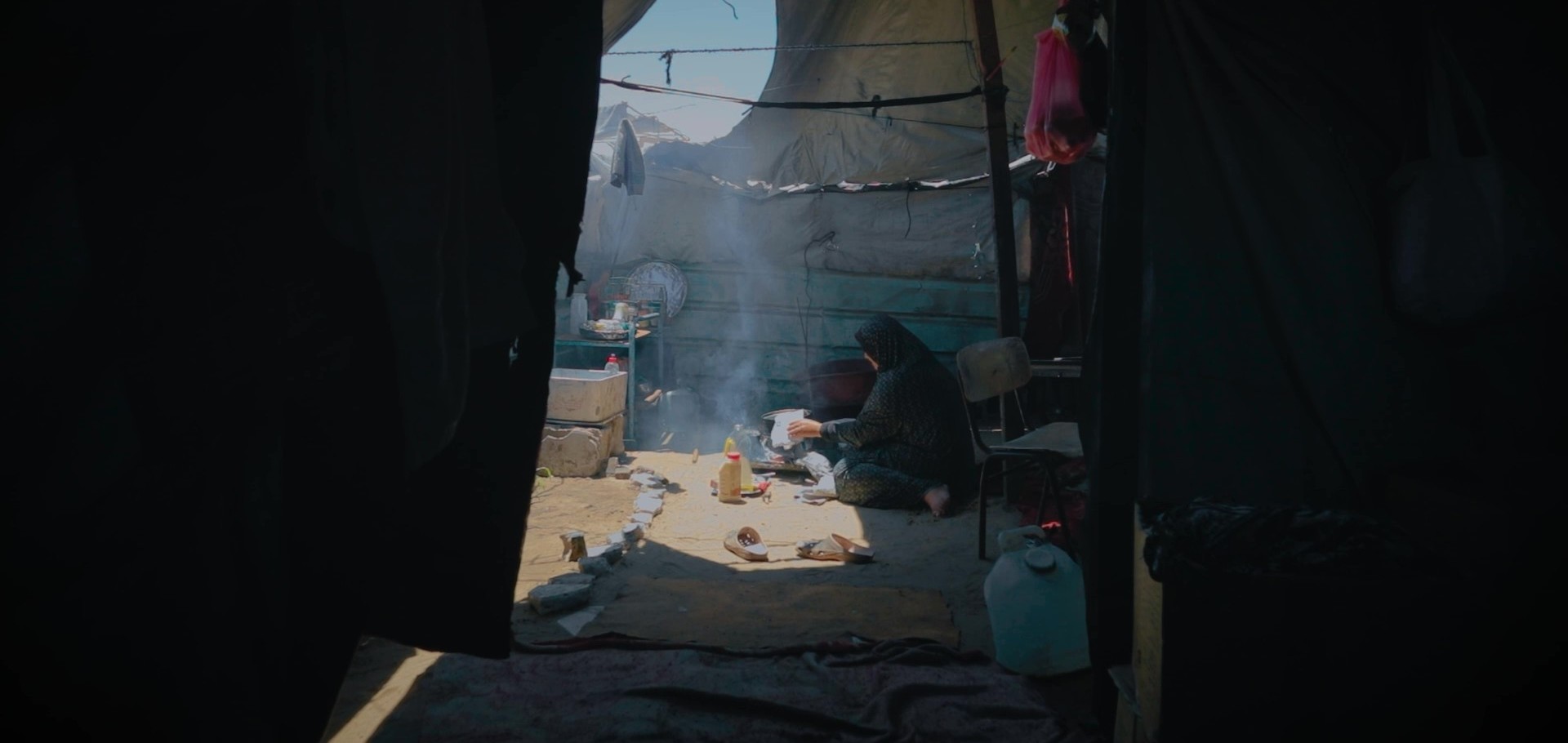
Displacement was not a choice for these families. Homes were destroyed, neighbourhoods rendered uninhabitable, and communities fractured. What remains for many is a tent that barely holds against the weather.
In response to these conditions, GlocalShift Foundation carried out a pre-Ramadan distribution of 600 reinforced tents and 500 blankets across northern, central, and southern Gaza between late January and early February 2026. The intervention focused on families living in the most exposed displacement sites, where tents had deteriorated and winter weather posed immediate risks.
A tent alone is often not enough. Many leak when it rains or collapse under strong winds. For this reason, the tents distributed were reinforced to provide additional protection, while blankets were supplied to help families stay warm during winter nights.


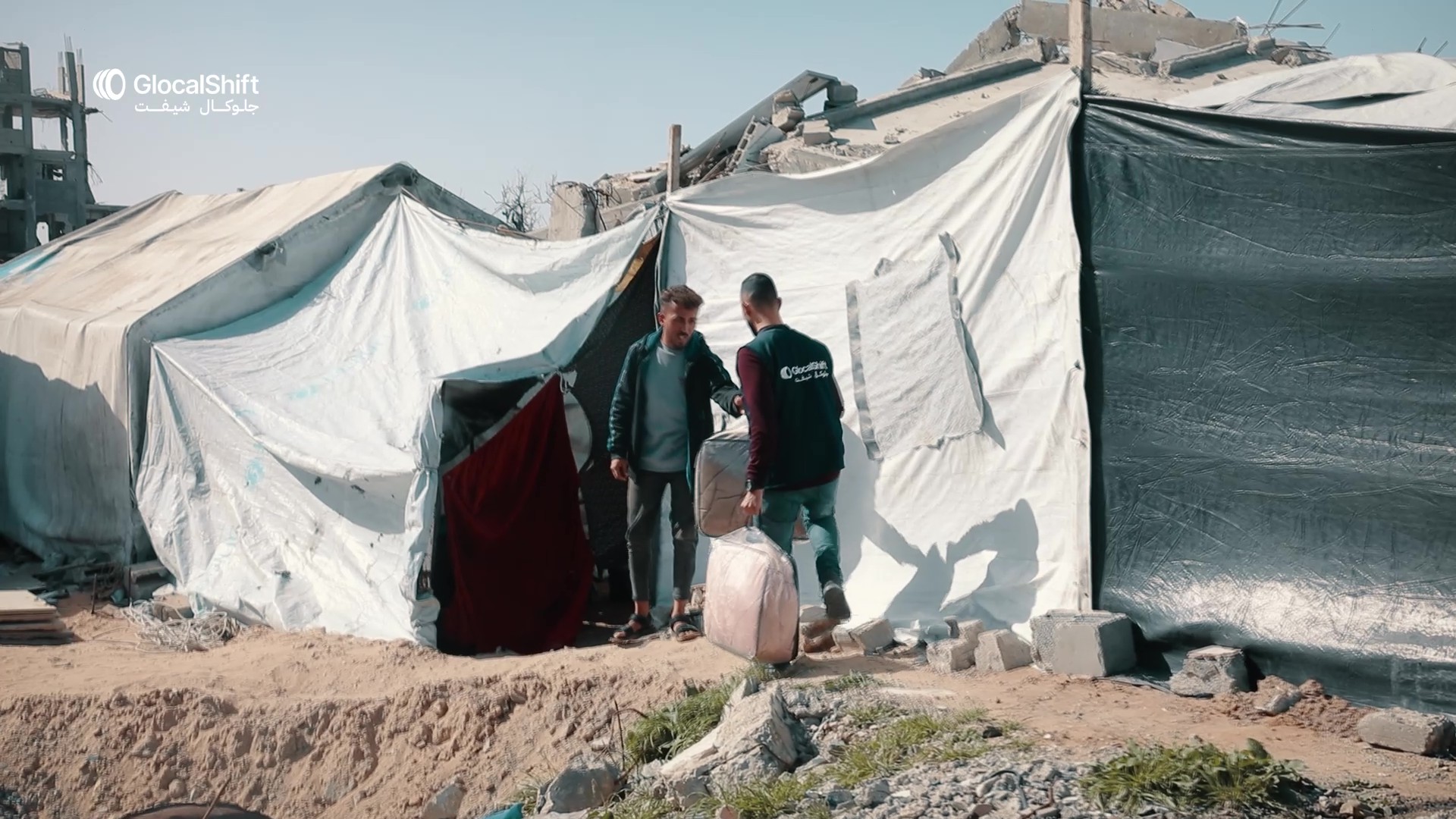


For families receiving support, the impact is immediate.
“Our old tent filled with water whenever it rained,” said a displaced mother in northern Gaza. “My children would wake up cold and afraid. Now we can sleep without fear of the rain.”
Another displaced father in central Gaza reflected on the timing of the support. “Ramadan is a time for prayer and family. Having shelter and warmth gives us a small sense of stability in the middle of everything we have lost.”
UN data shows that while humanitarian agencies continue to deliver emergency shelter materials, the scale of need far exceeds available resources. Hundreds of thousands of people remain in tents that do not meet minimum standards, and many displacement sites lack proper drainage, insulation, or basic services.
The approach of Ramadan adds another layer of urgency. For displaced families, the holy month often arrives without the ability to gather safely, prepare meals with dignity, or protect children from the cold at night. Adequate shelter does not restore what has been lost, but it does provide a measure of safety and dignity during a period that is deeply meaningful.
The distribution of tents and blankets will not resolve Gaza’s wider humanitarian crisis. But it reflects what targeted, timely action can do when guided by need rather than headlines. As UN agencies continue to warn of worsening shelter conditions, sustained attention and support remain critical.
For families in Gaza, shelter is not a matter of comfort. It is the difference between enduring winter nights in fear and facing Ramadan with at least a roof that holds.
.jpeg)


%20-%20frame%20at%200m21s.jpg)