
More than 90 per cent of Gaza’s population now relies entirely on humanitarian aid, with many families surviving on only one meal every 24 hours, according to the United Nations Relief and Works Agency for Palestine Refugees (UNRWA). The agency reports that although an average of about 170 aid trucks enter the territory each day, this figure remains far below what is needed to meet basic food requirements for the displaced and resident population alike.
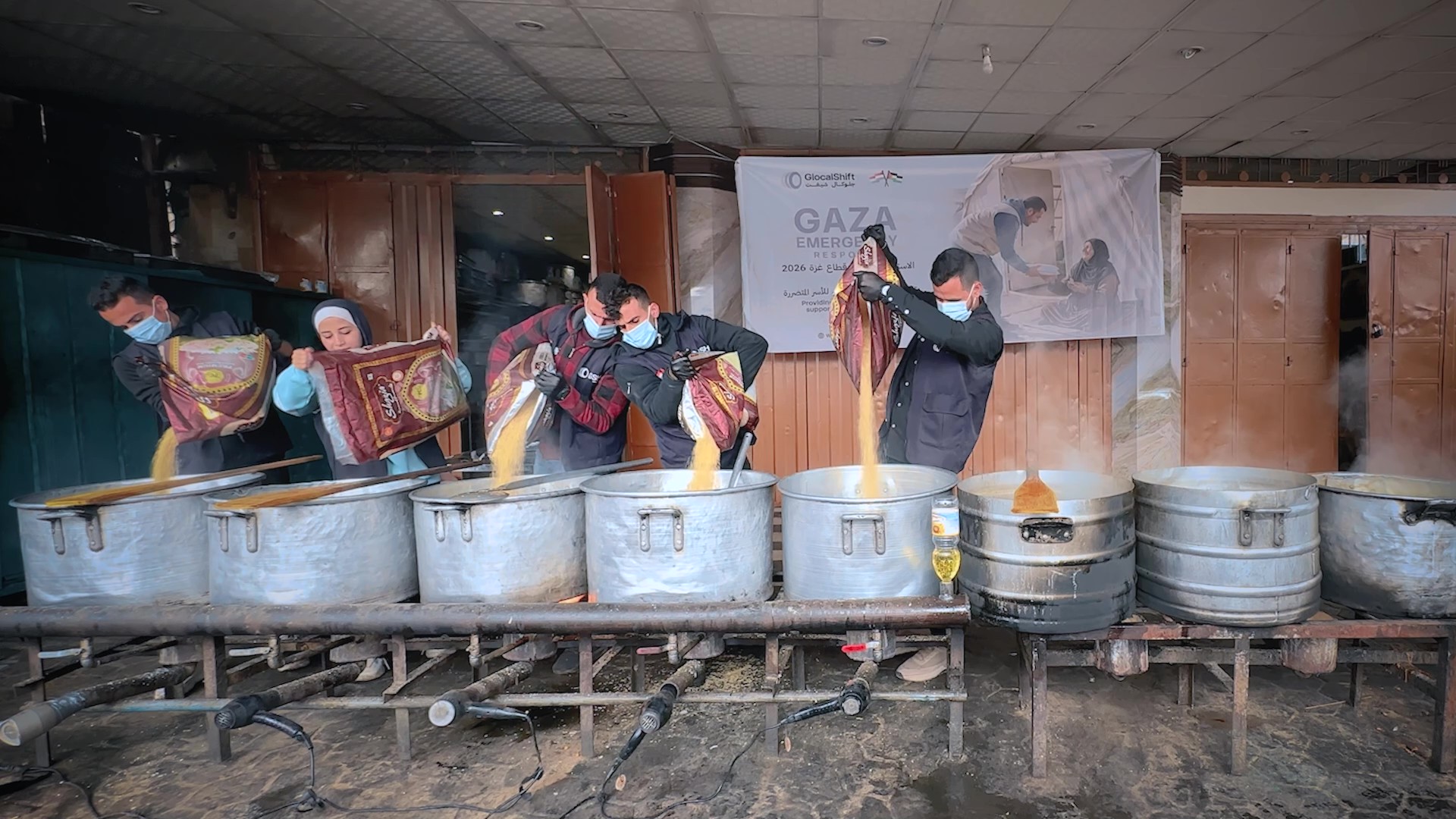
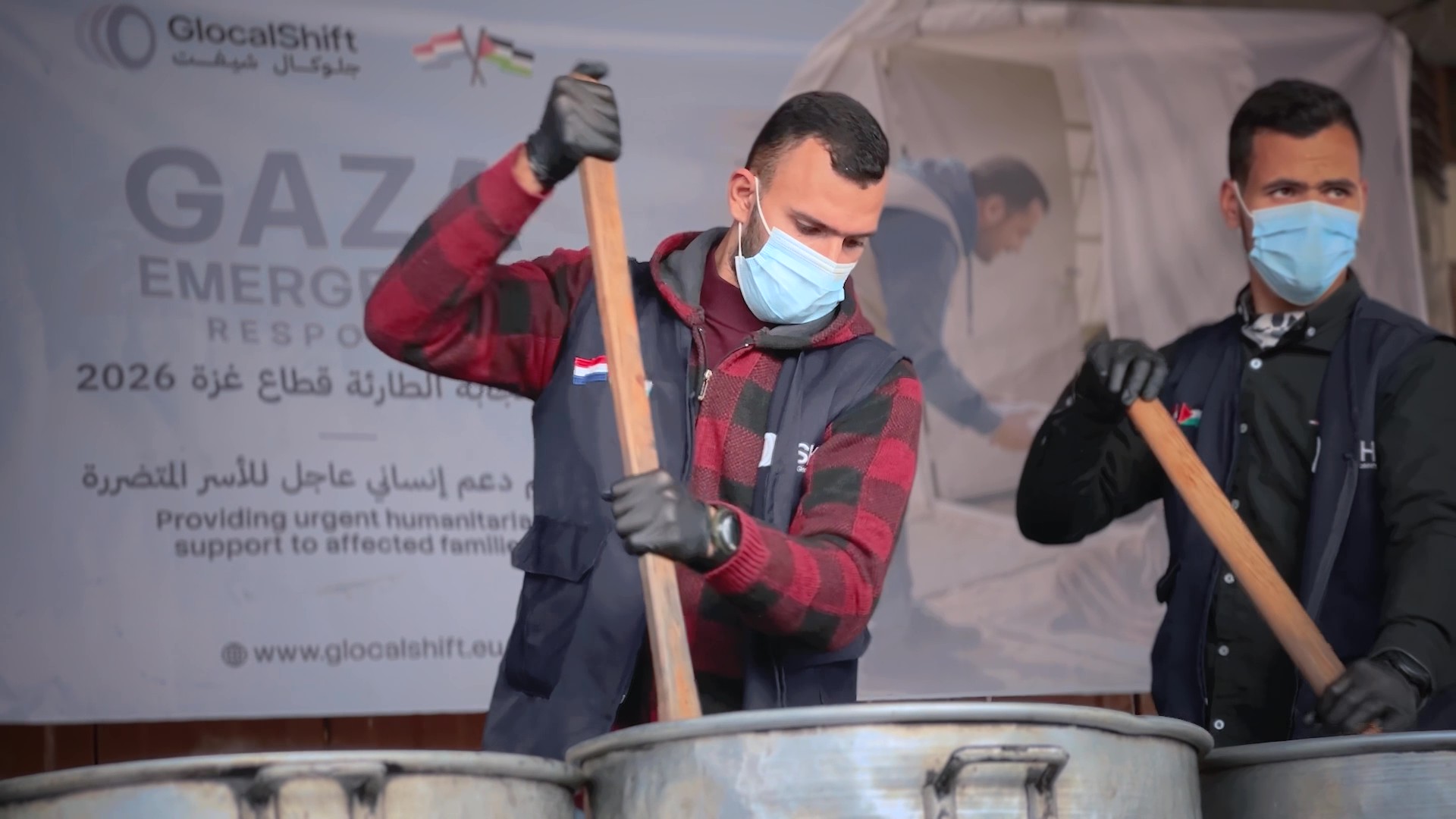
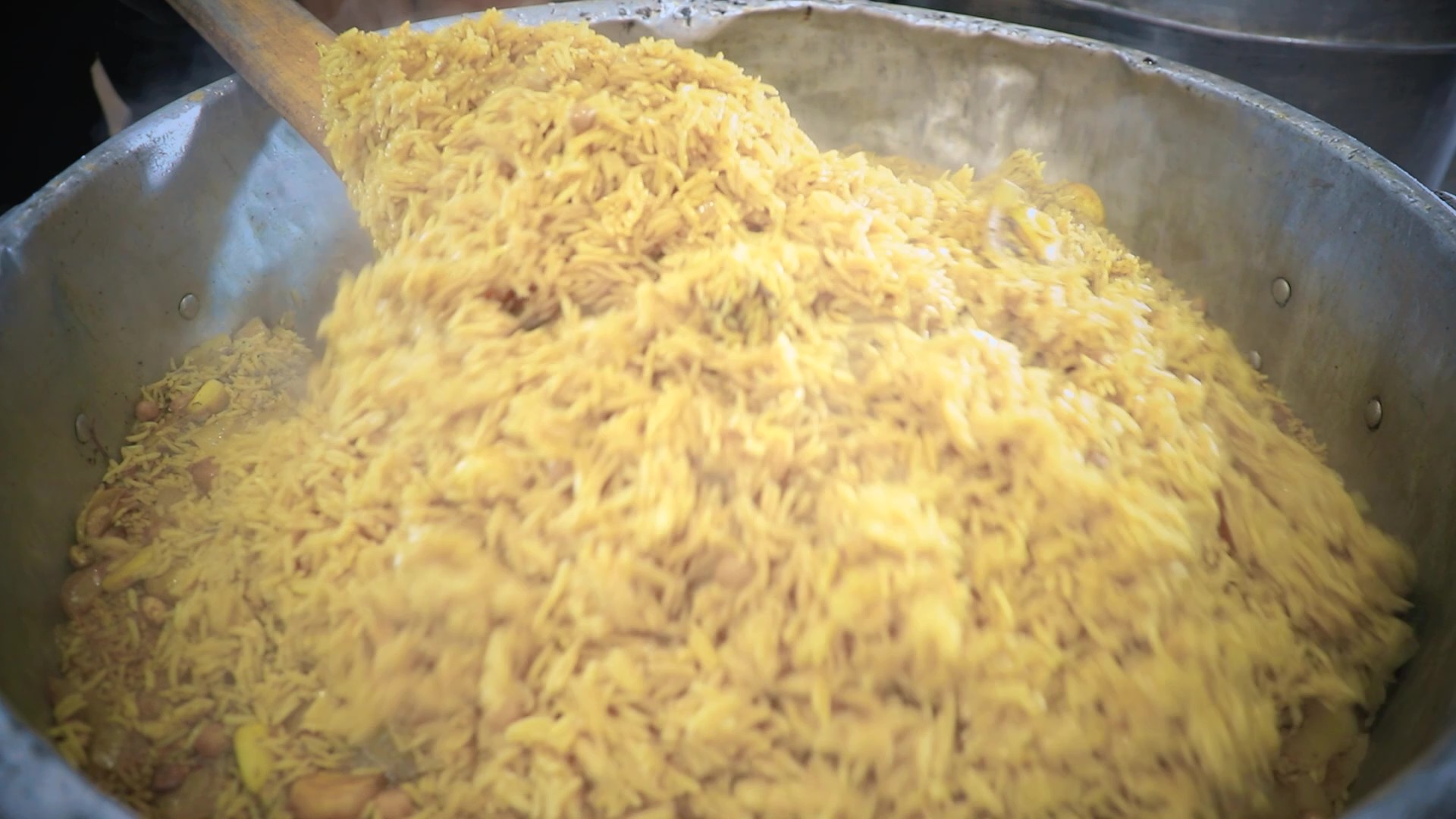
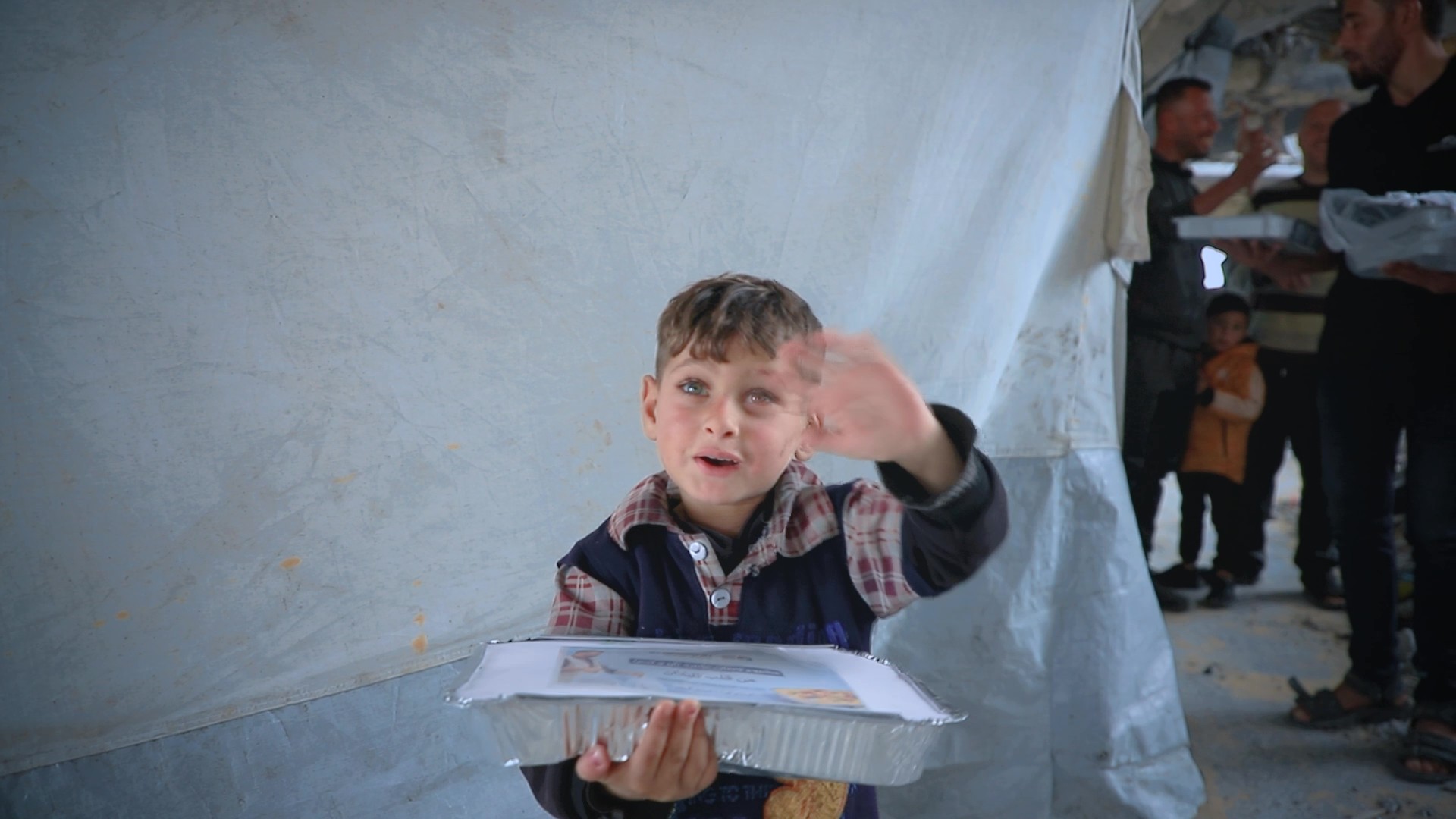
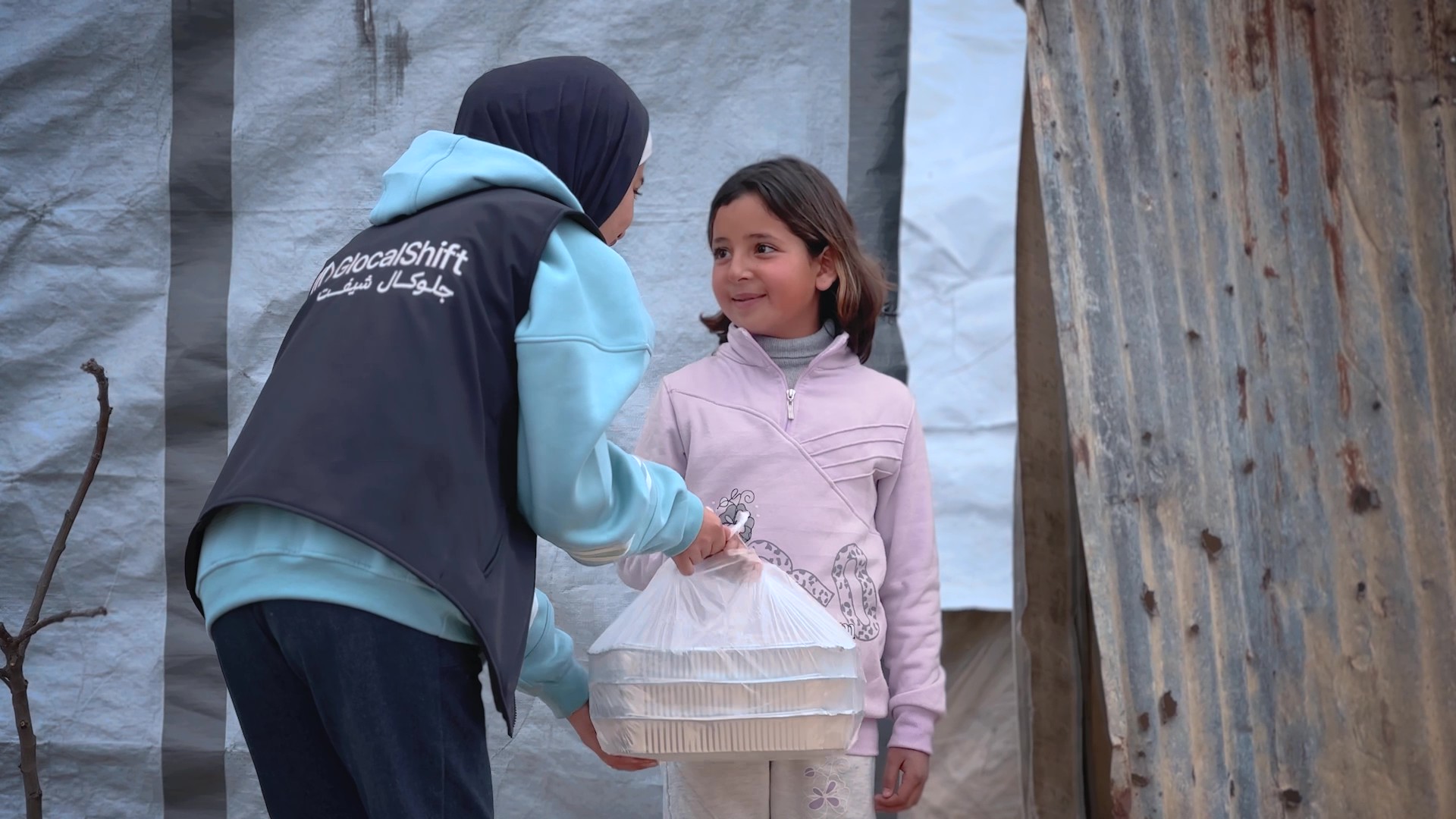
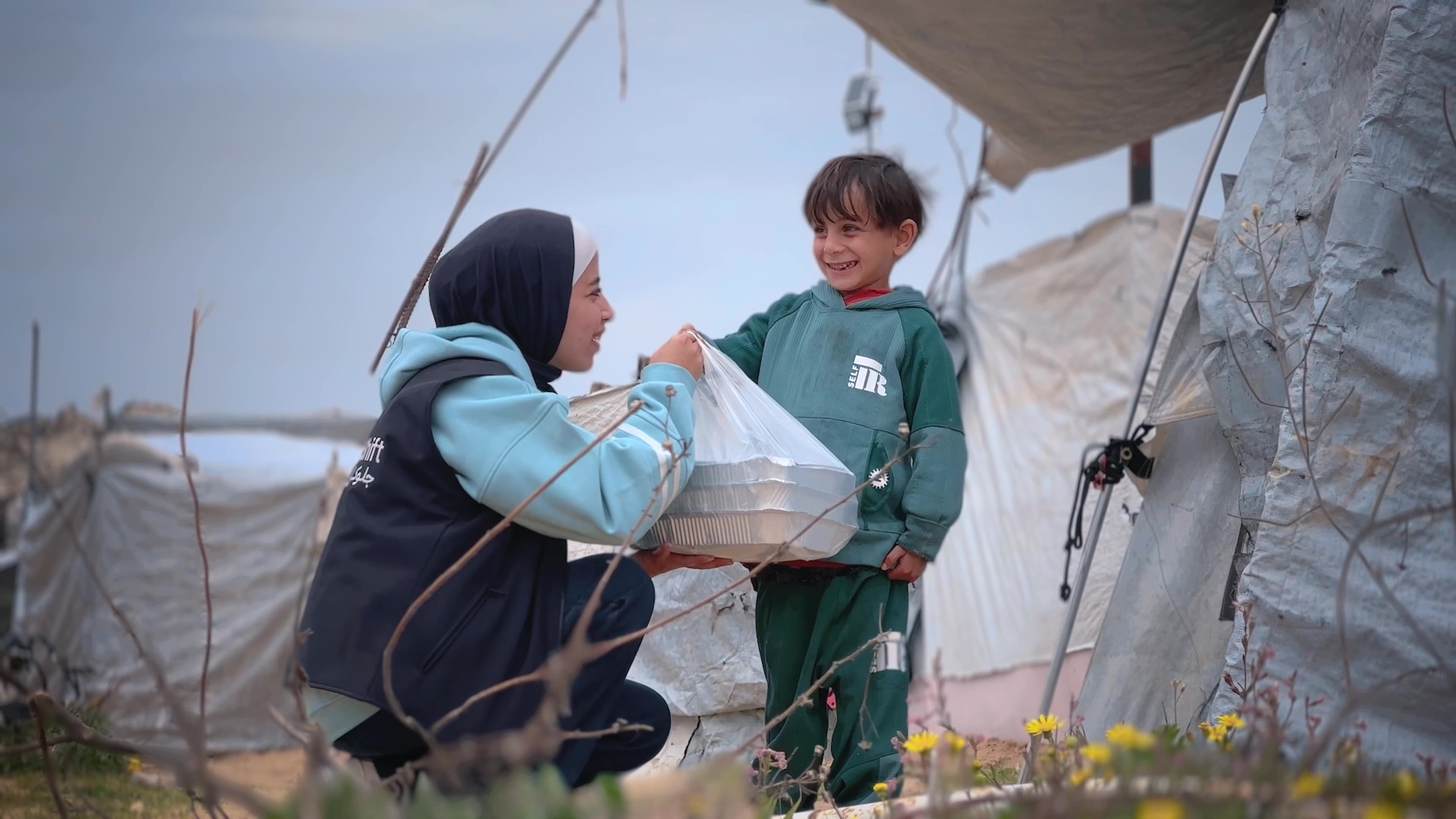
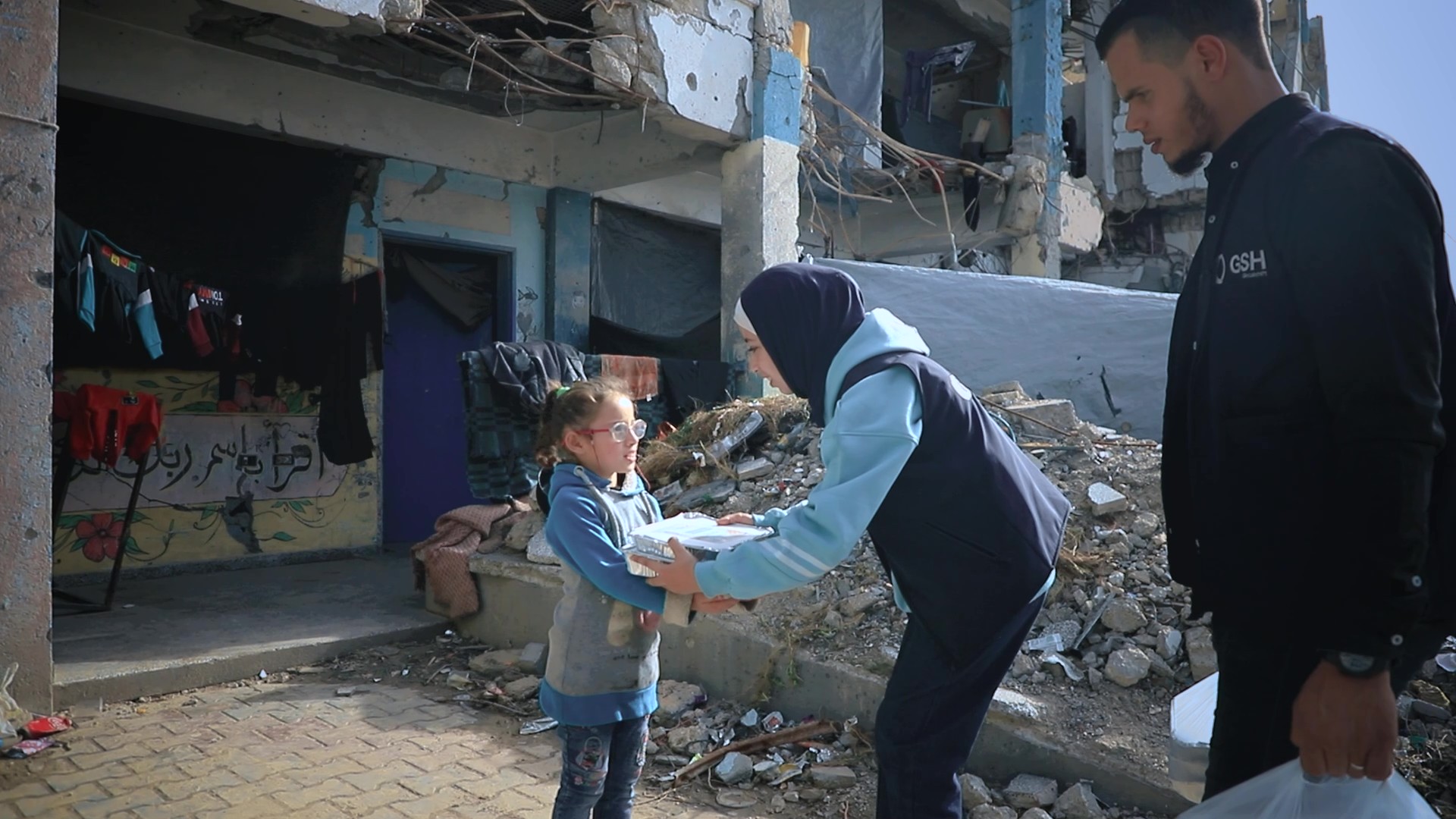
In this context of severe food insecurity, 5,000 hot meals of rice and meat were distributed across the Gaza Strip to families facing critical shortages and limited access to food.
The distribution reached households in displacement camps and densely populated neighbourhoods from northern to southern Gaza. For many families, regular access to food has become uncertain, with parents and children alike unsure whether there will be enough to eat by evening.
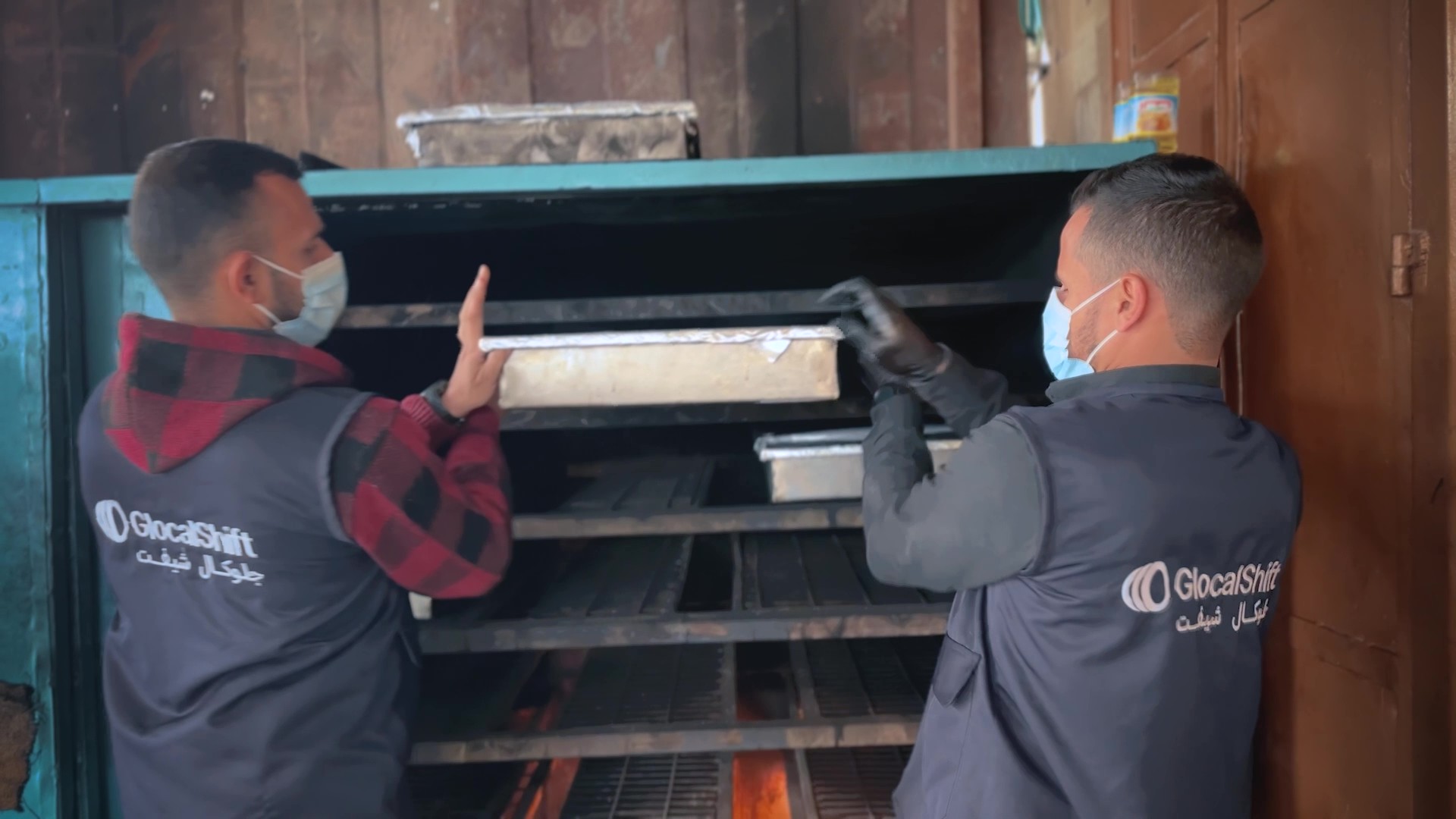
The meals were prepared and delivered directly to communities with the greatest need. Teams on the ground coordinated locally to ensure that the food reached families without unnecessary delay, especially in areas where displacement and overcrowding have worsened living conditions.






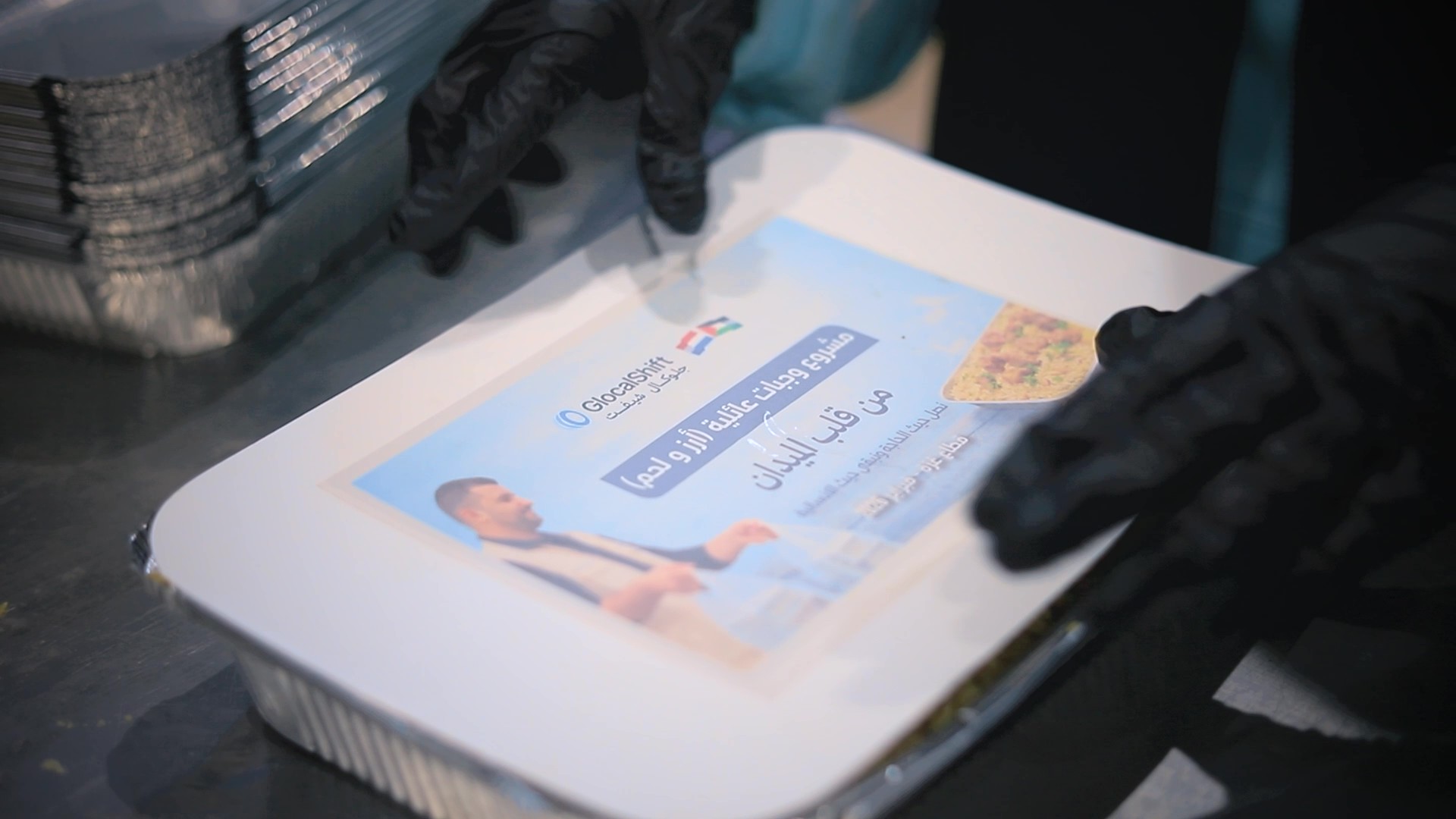

Food insecurity in Gaza has deepened amid restricted access, damaged infrastructure, and disrupted supply routes, forcing residents to depend heavily on irregular aid deliveries. In such circumstances, the arrival of hot meals offers immediate relief to households that may otherwise go without adequate food.
The distribution of 5,000 meals does not resolve the wider challenge of systemic food shortages across the enclave, but it provided essential nourishment to thousands during a time of high need. With limited food stocks and ongoing humanitarian constraints, many families continue to face daily uncertainty about their next meal.

.jpeg)


%20-%20frame%20at%200m21s.jpg)