

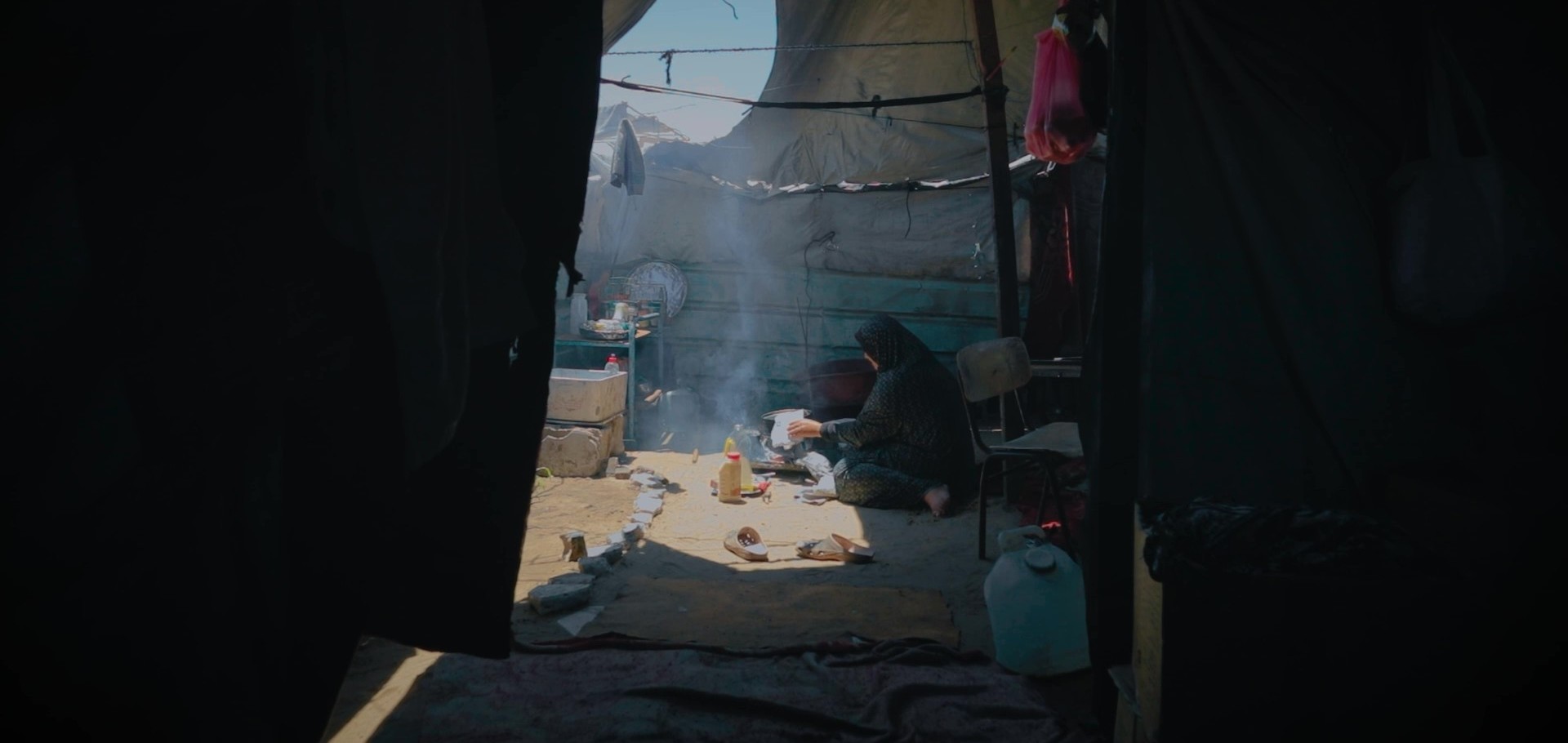
Gaza sits on the Mediterranean coast, yet for many of its residents, clean water has become one of the hardest things to find. In northern Gaza, including Beit Lahia, the war has turned an already fragile water system into a daily struggle for survival.
War on Gaza and the Collapse of Water Systems
Since October 2023, widespread destruction, electricity cuts, fuel shortages, and repeated damage to civilian infrastructure have crippled Gaza’s water networks. Wells have been destroyed or rendered inoperable, pipelines severed, and treatment facilities shut down. Oxfam’s 2024 briefing on Gaza reports that less than seven per cent of pre-war water levels are available in northern Gaza, creating severe health risks and forcing families to walk long distances to access small quantities of water.
Water Under Occupation: A Longstanding Crisis
Gaza’s water crisis did not begin with the current war. Amnesty International’s report The Occupation of Water documents how long-standing restrictions on Palestinian control over water resources, combined with repeated military assaults and limits on infrastructure repair, have left Gaza’s coastal aquifer severely depleted and contaminated.
As a result, the majority of Gaza’s groundwater has been unsafe for human consumption for years. The current emergency is an escalation of a structural crisis, not a sudden breakdown.


Rehabilitating Beit Lahia Well
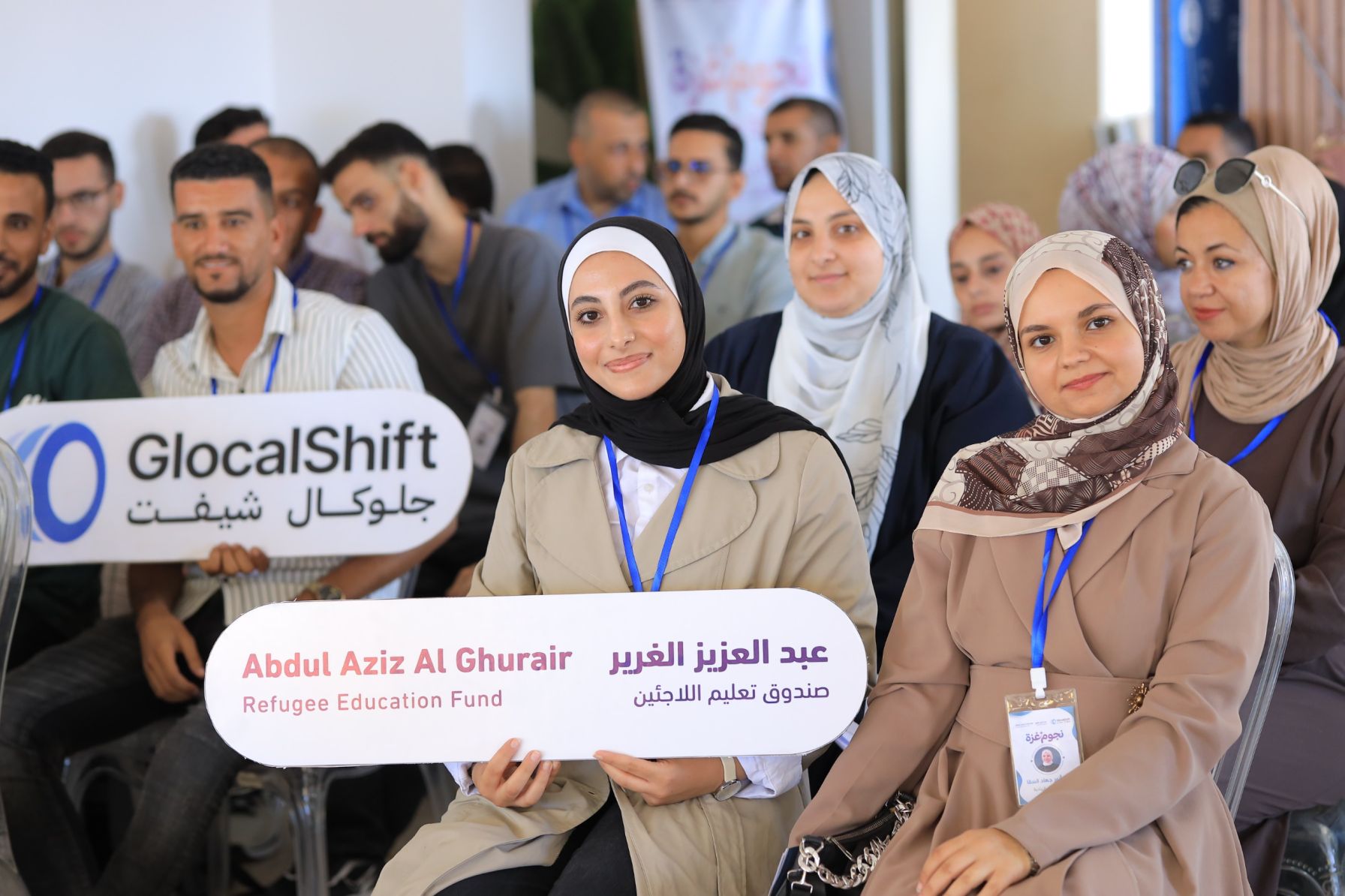
In response to urgent local needs, GlocalShift Foundation, with the generous support of the Moroccan Association for the Support of Reconstruction in Palestine, supported the rehabilitation of the Beit Lahia water well through a locally led approach. The work was carried out in close coordination with Beit Lahia Municipality and implemented entirely by local engineers and workers.
Over 45 days of continuous day-and-night work, the team restored the well through mechanical repairs, cleaning, electrical fixes, and testing. The intervention prioritised local expertise and rapid action under extremely challenging conditions.
Water Access for 20,000 People
The rehabilitated well now provides access to water for approximately 20,000 people in Beit Lahia and surrounding areas. For families returning to damaged neighbourhoods, it reduces the need to walk several kilometres to find water and lowers dependence on irregular water trucking. In a context where access to water shapes health, dignity, and the ability to remain at home, this restoration has immediate and practical significance.
.jpeg)


%20-%20frame%20at%200m21s.jpg)