
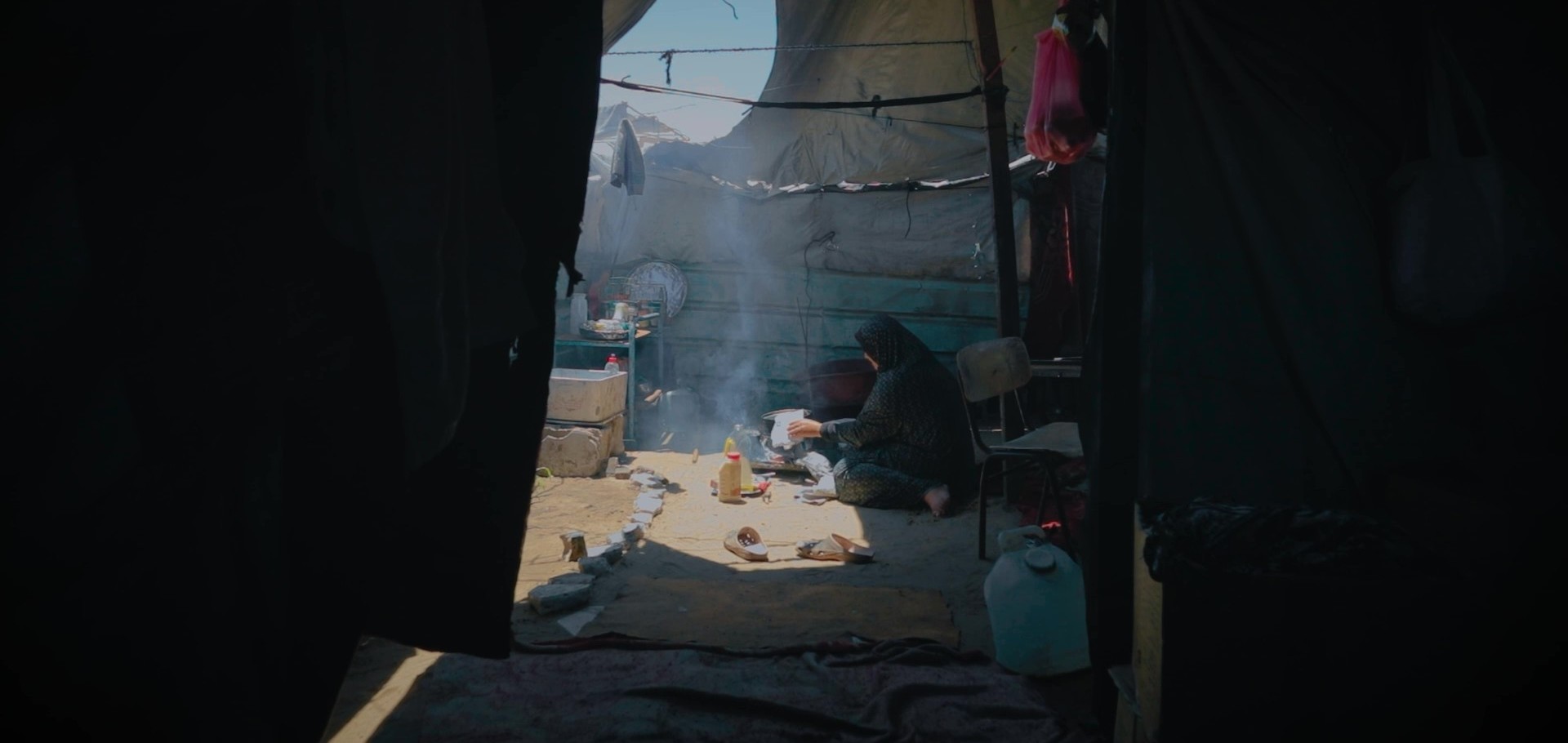
The humanitarian situation in the Gaza Strip remains critical as displacement, infrastructure destruction and shortages of basic resources continue more than two years into the conflict. Severe winter storms have battered the territory’s fragile shelters, flooding tents and exposing more than a million displaced people to cold, rain and disease. According to the United Nations, emergency shelter supplies, including tents and other essential items, face restrictions that have left many people without adequate protection against the elements, and no caravans have yet entered Gaza despite agreements intended to allow them.
Beit Lahia in northern Gaza has been particularly affected. The municipality and its workforce have suffered repeated displacement, forcing many municipal employees and their families to relocate southwards. The inability to return to the north has impeded essential services, from waste collection and water provision to infrastructure maintenance, leaving local communities without critical support.
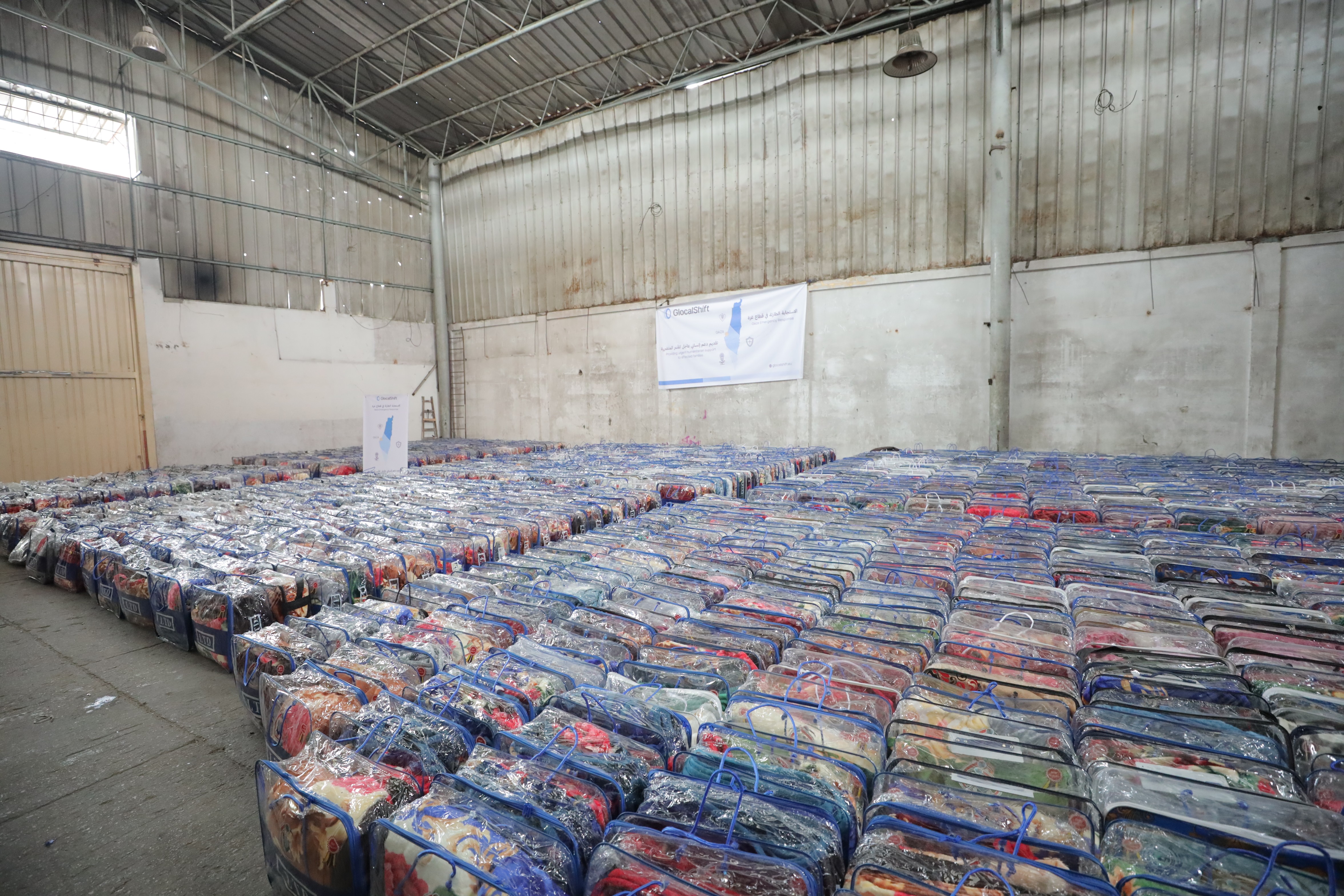
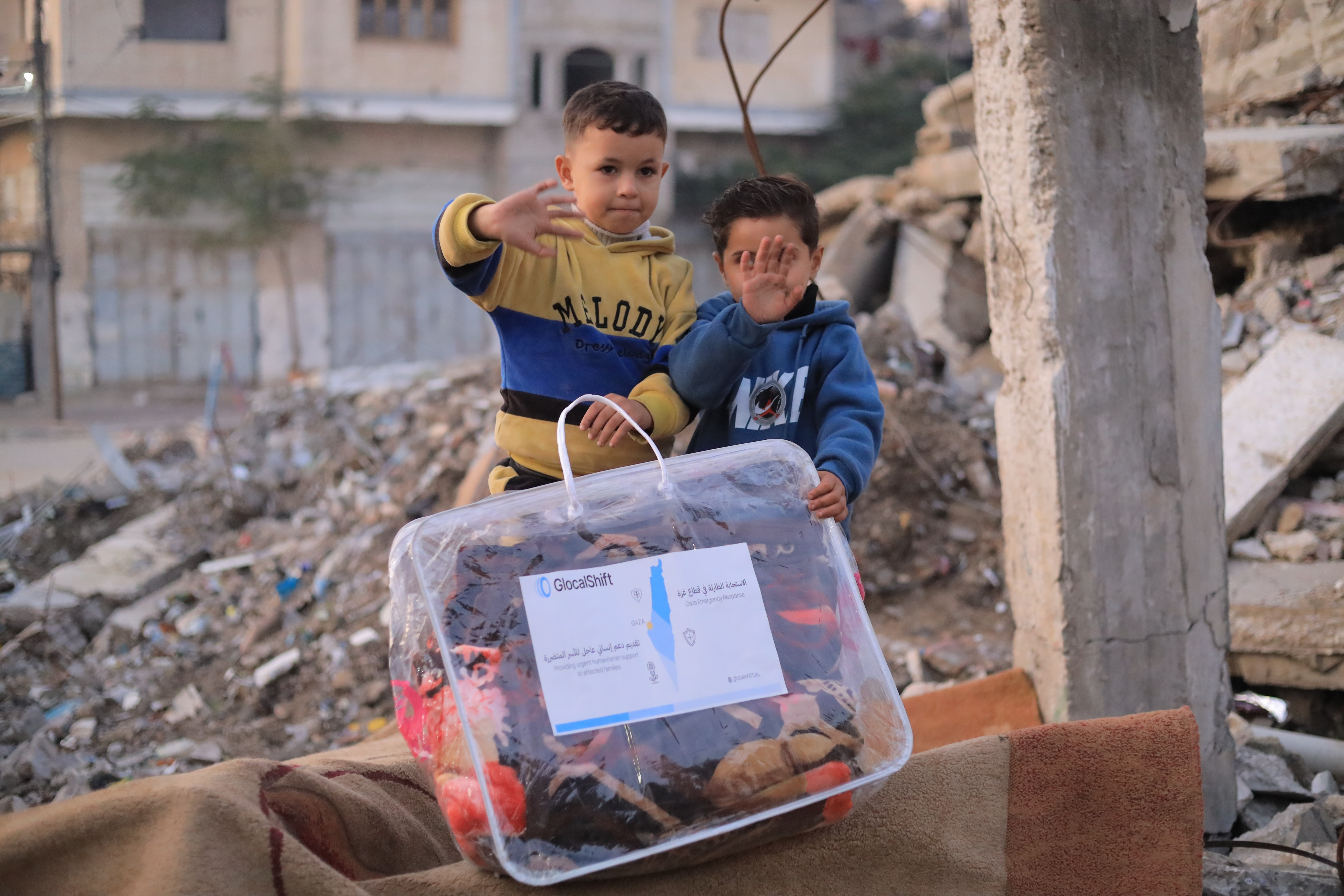
To address this urgent need, an emergency camp was established on Al-Sultan Street, next to the Al-Atatra Water Well in Beit Lahia, designed to host displaced municipality workers and their families, as well as members of the surrounding community. The camp consists of 100 tents, benefiting 100 families in total. Alongside tents, 2,000 blankets have been distributed within the camp and to nearby displaced areas, with additional distributions extending to communities in central and southern Gaza.
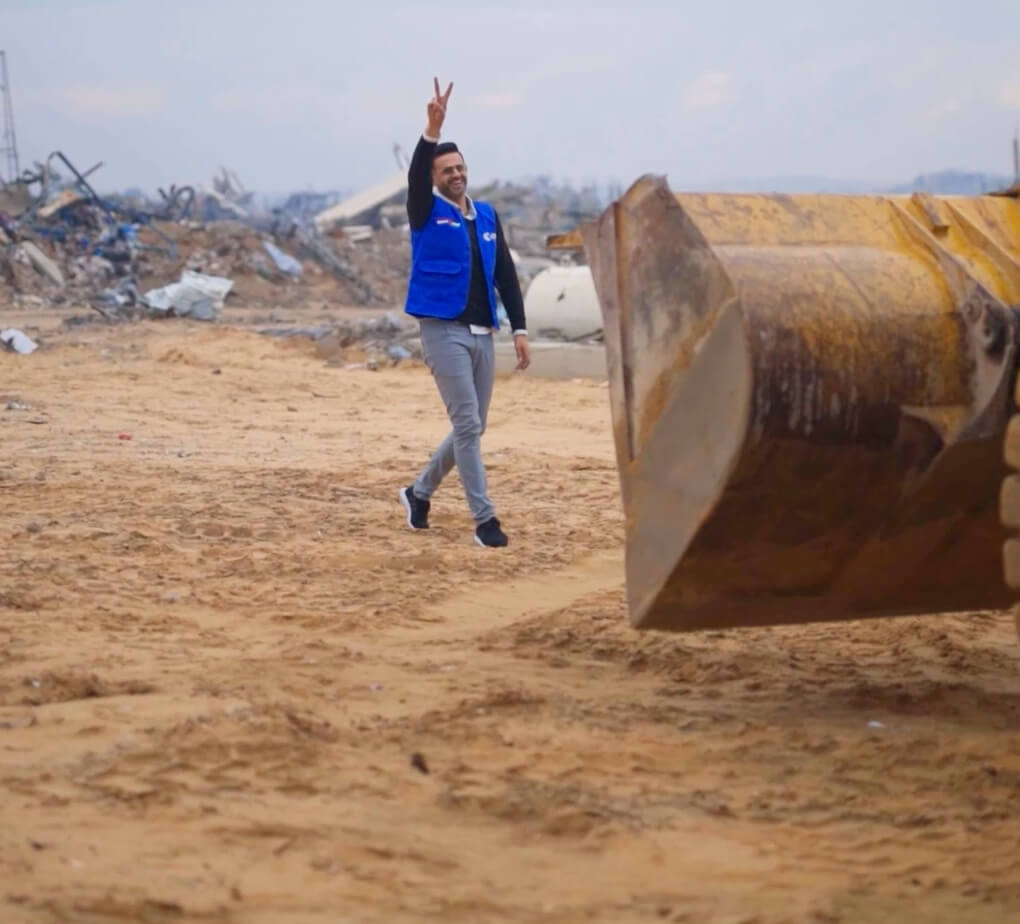
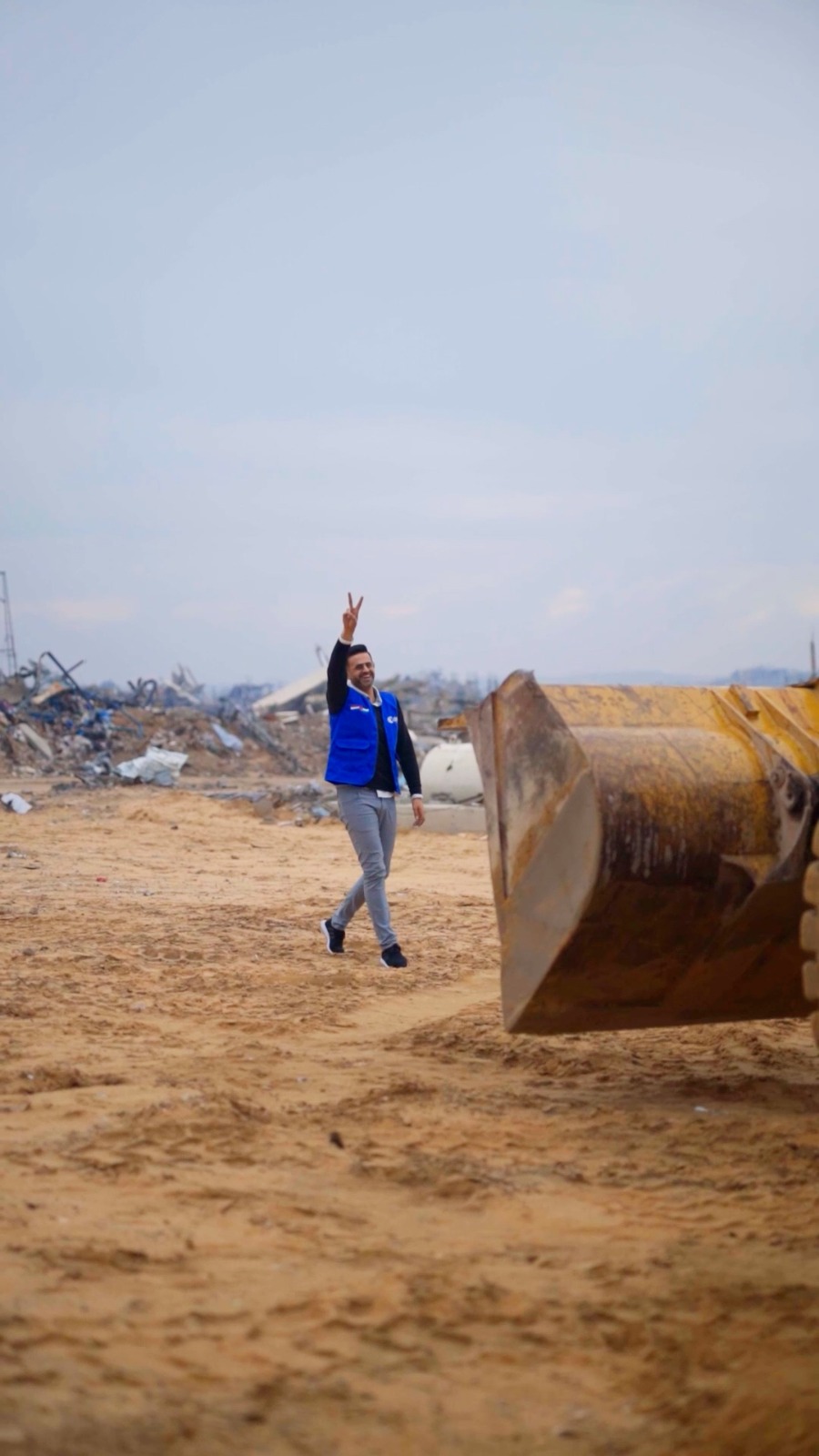
Renowned Gazan TikTok creator Mahmoud Zuaiter participated in the establishment of the camp and the blanket distribution, bringing attention to the humanitarian plight of displaced families in the territory. Reflecting on the situation, Zaiter said:
“We are doing everything we can with what we have, but tents alone are not enough. I wish these shelters were caravans, because families deserve protection that can truly withstand the cold and the rain.”
.jpeg)
.jpeg)
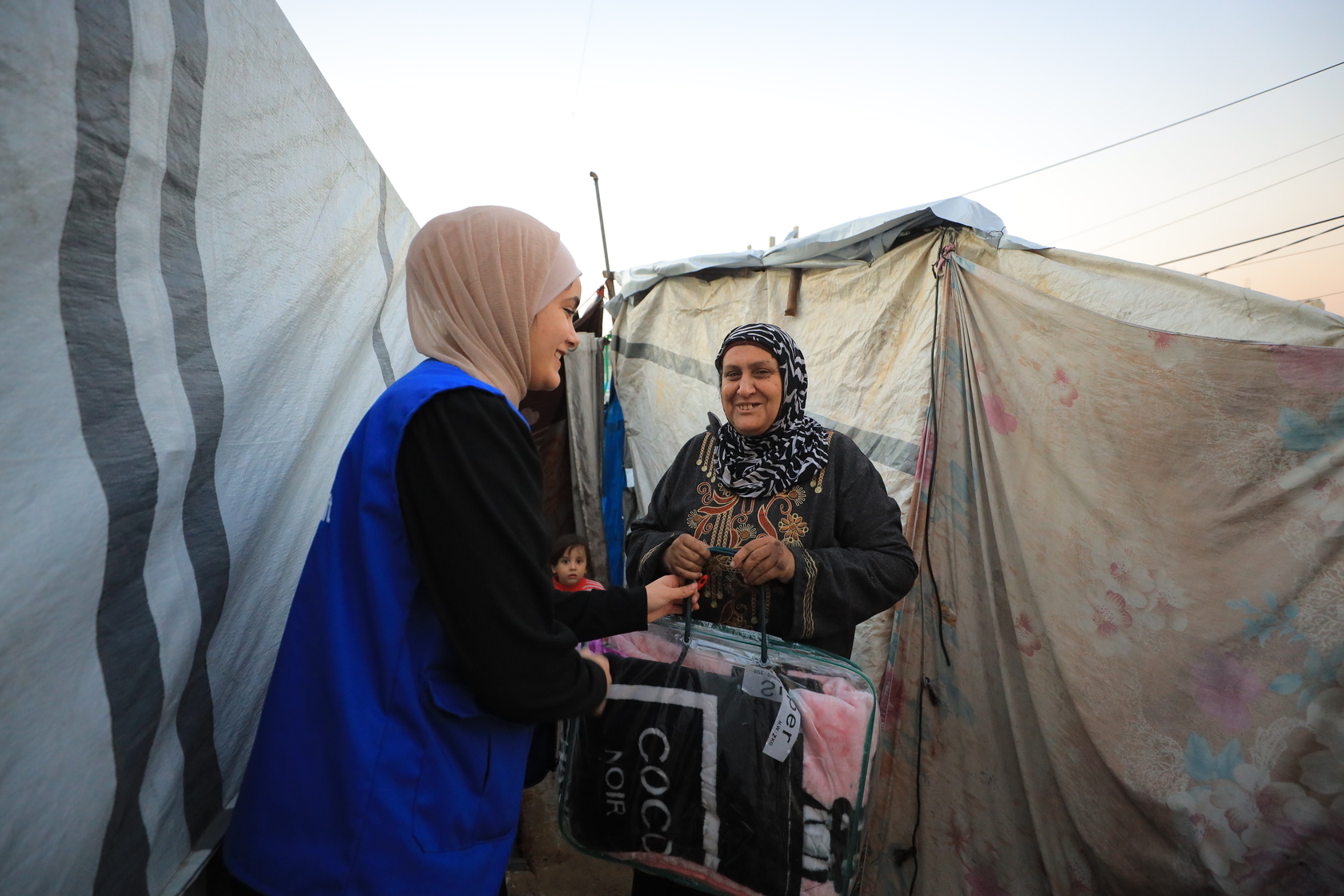
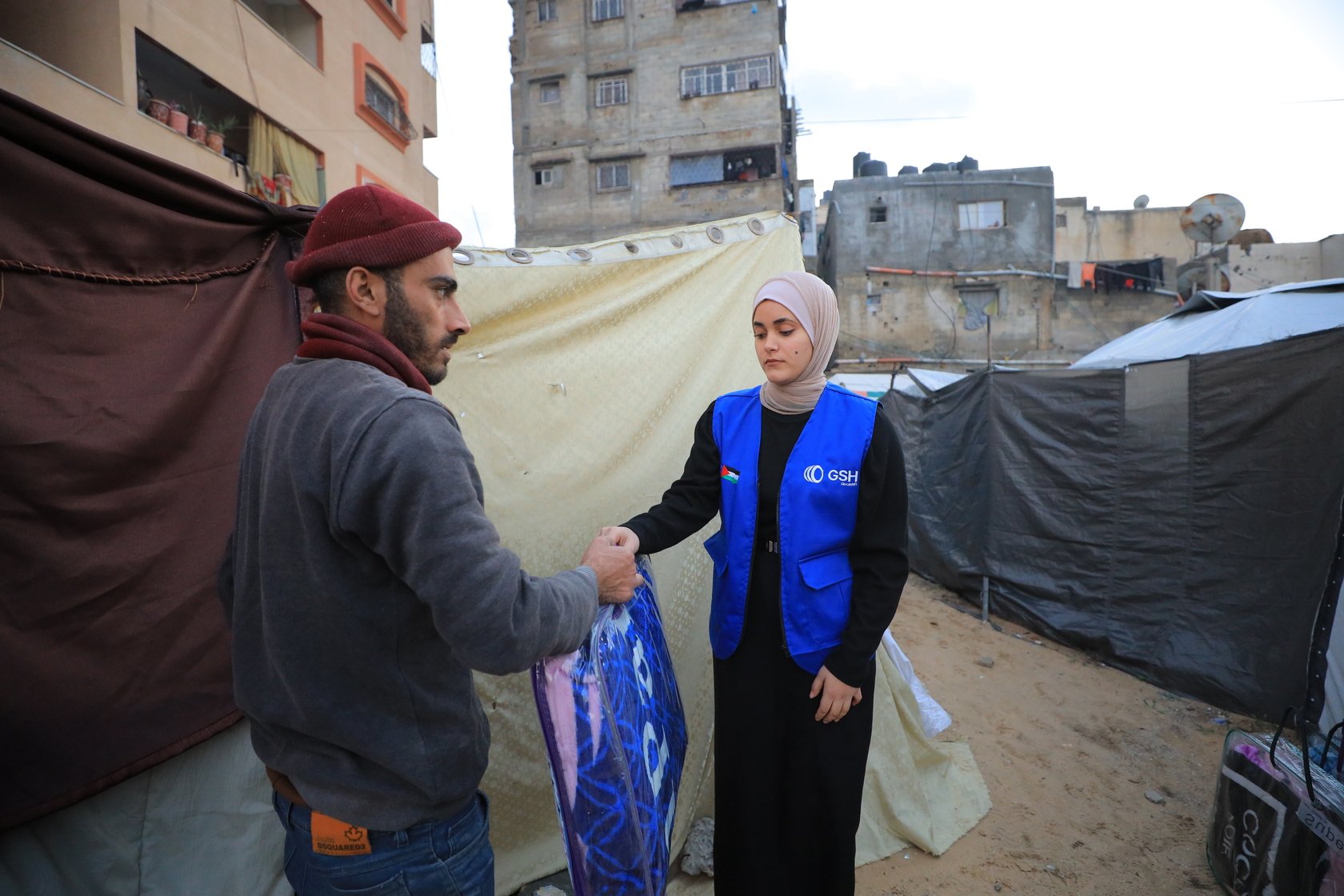
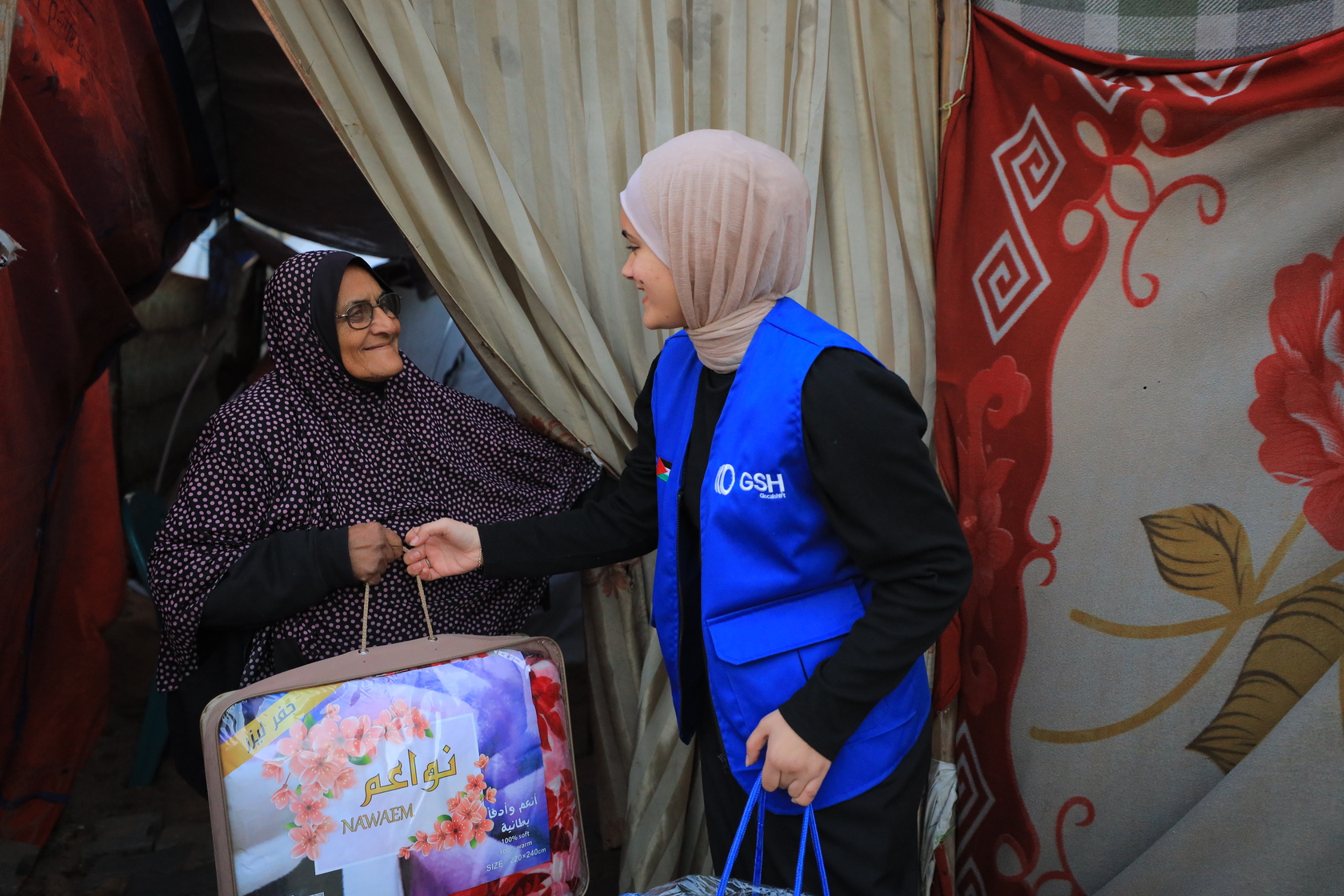
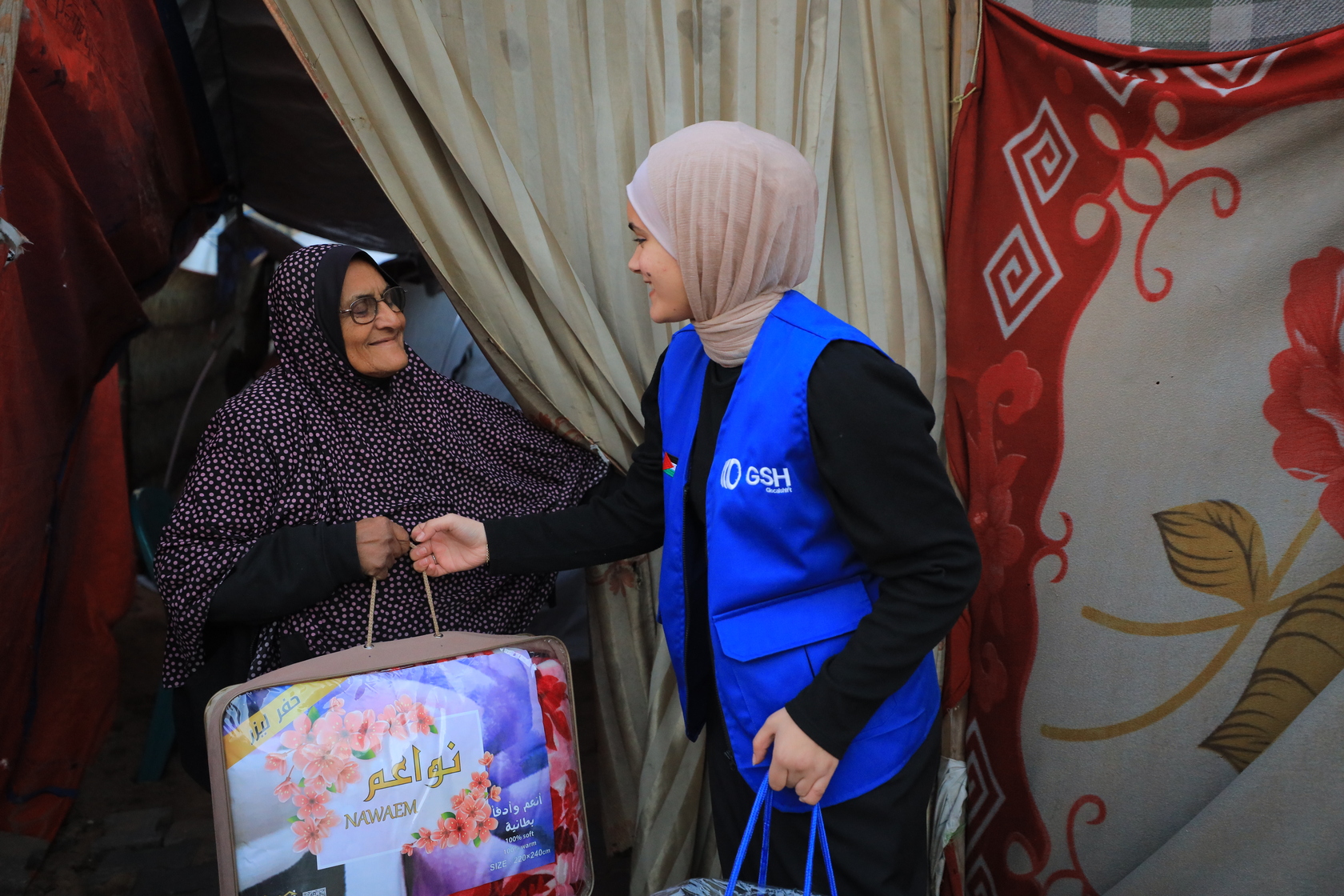
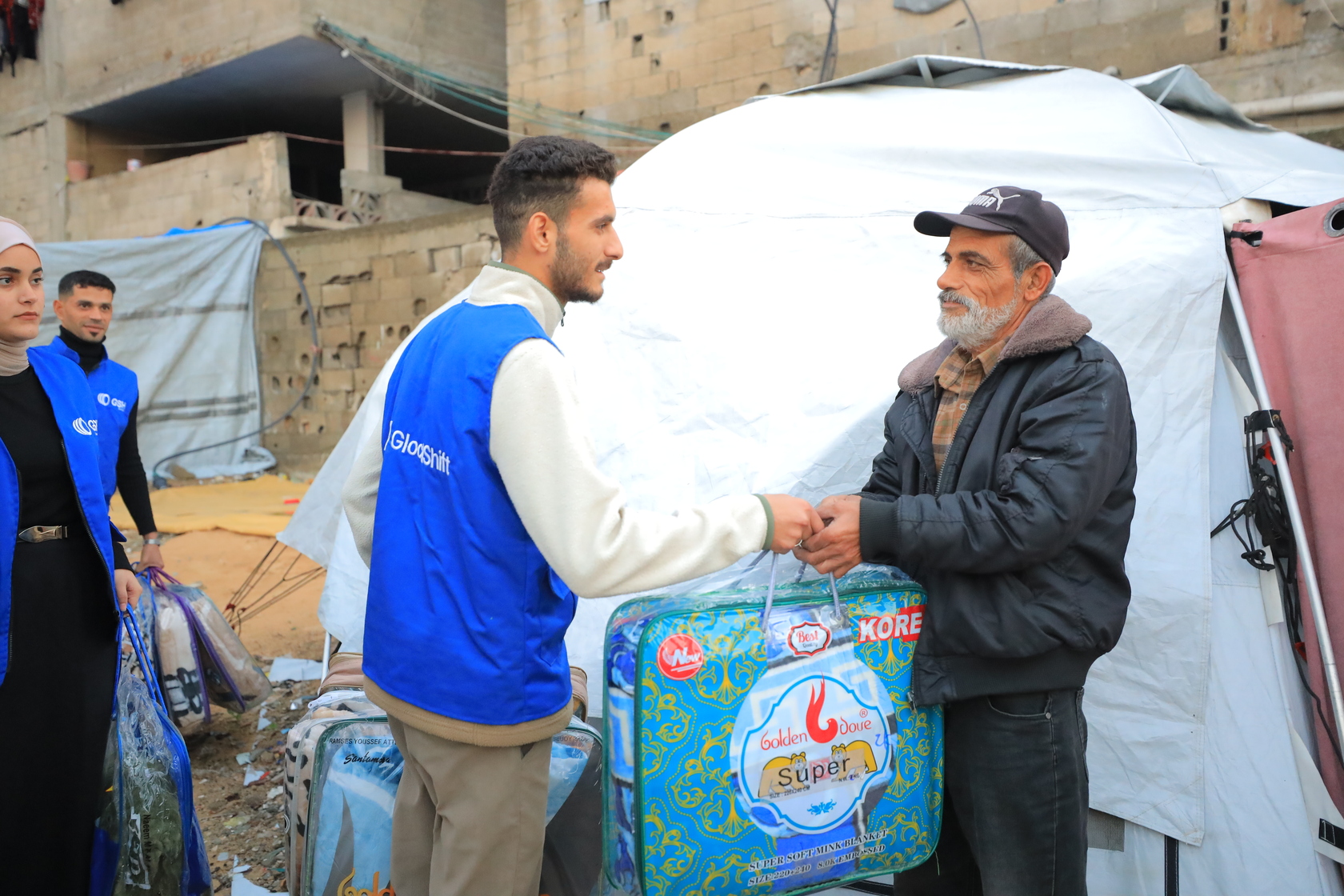
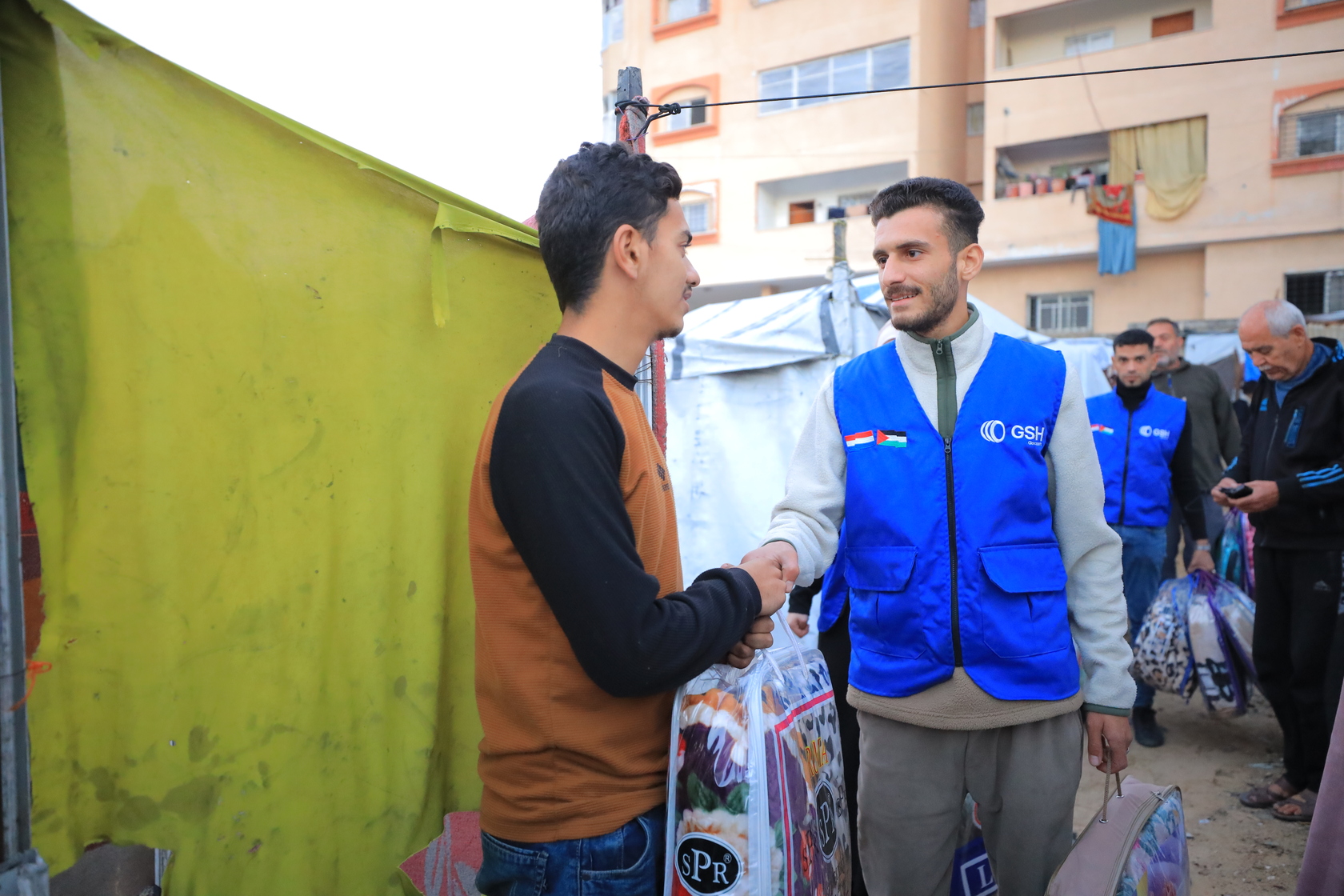
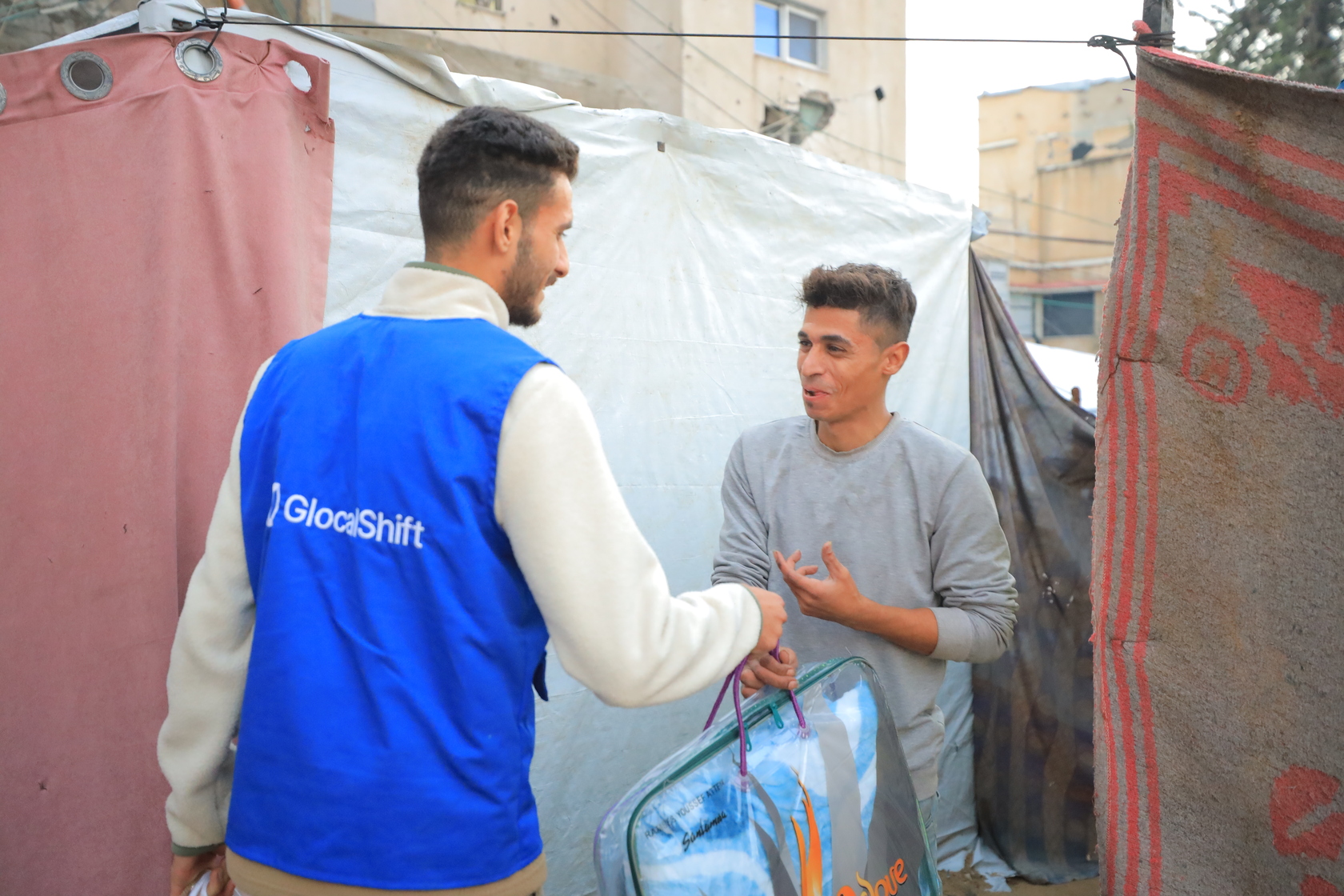
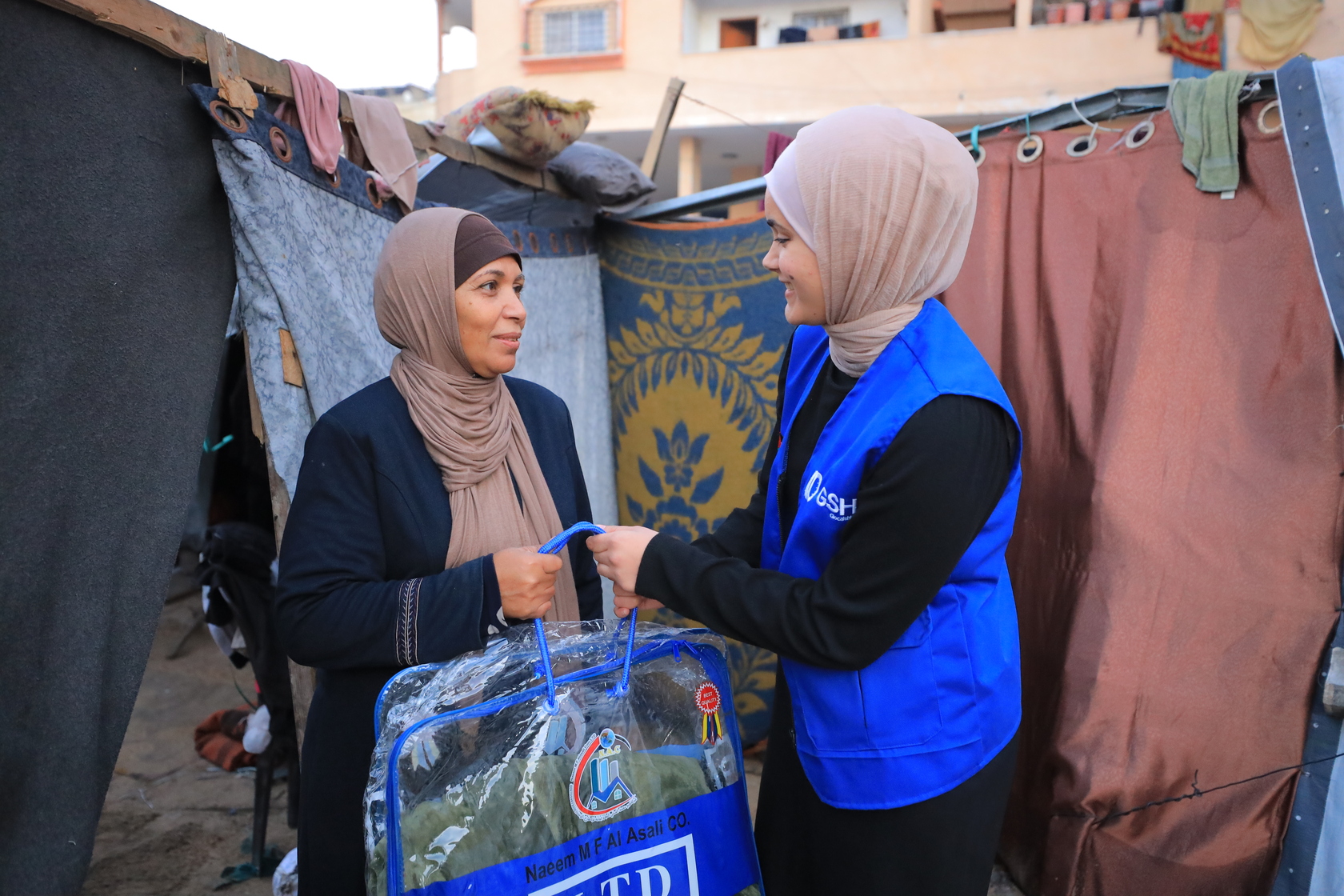
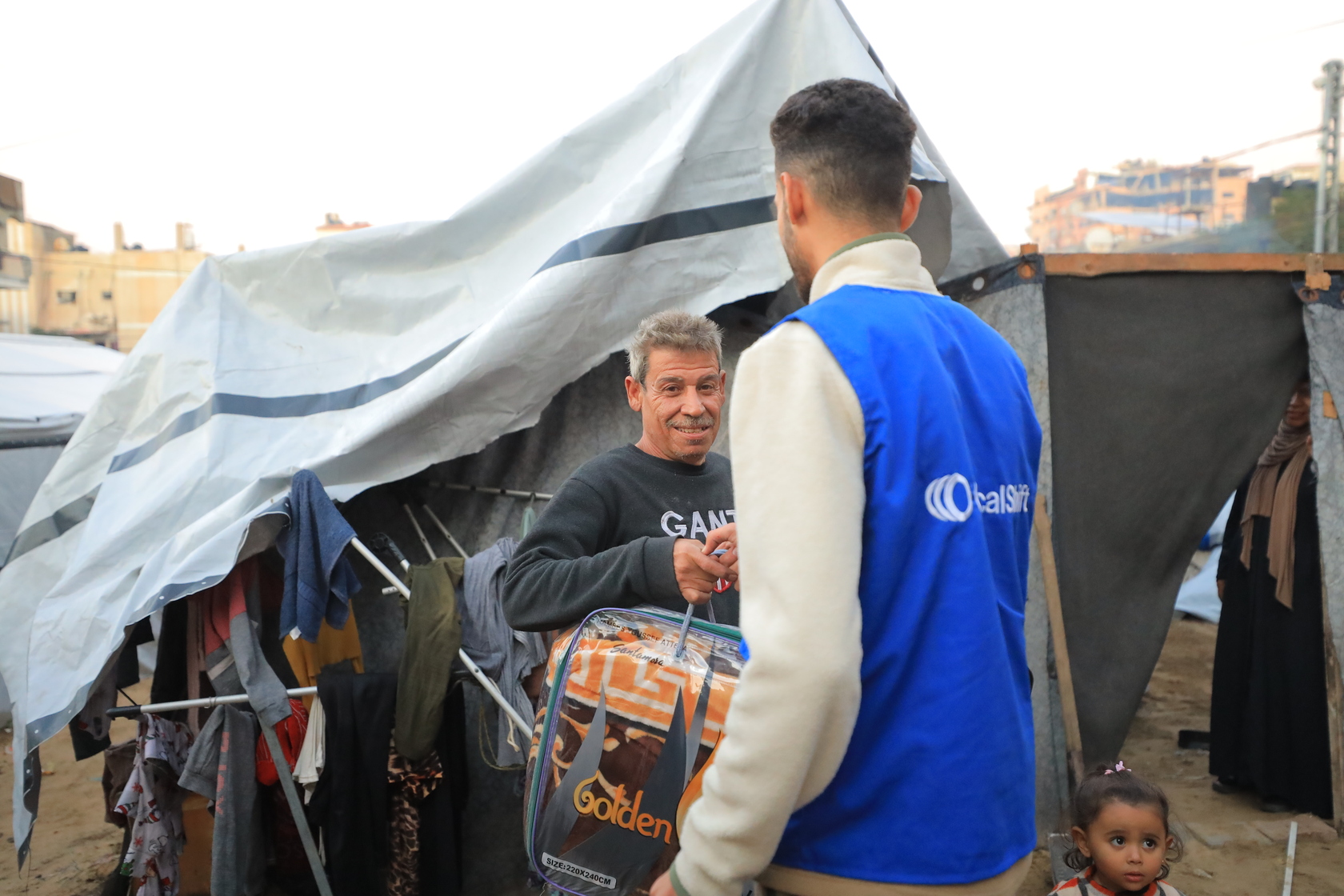
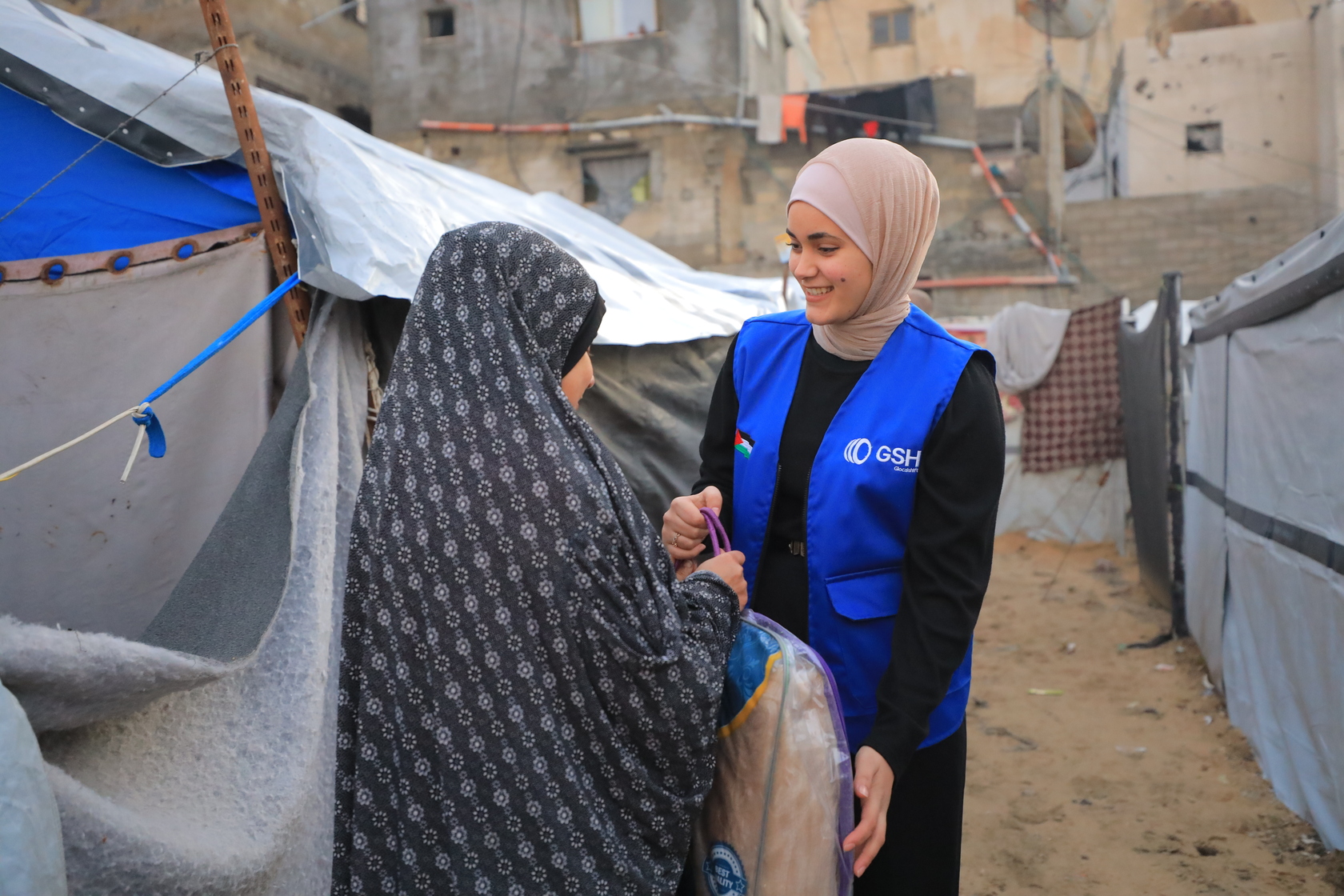
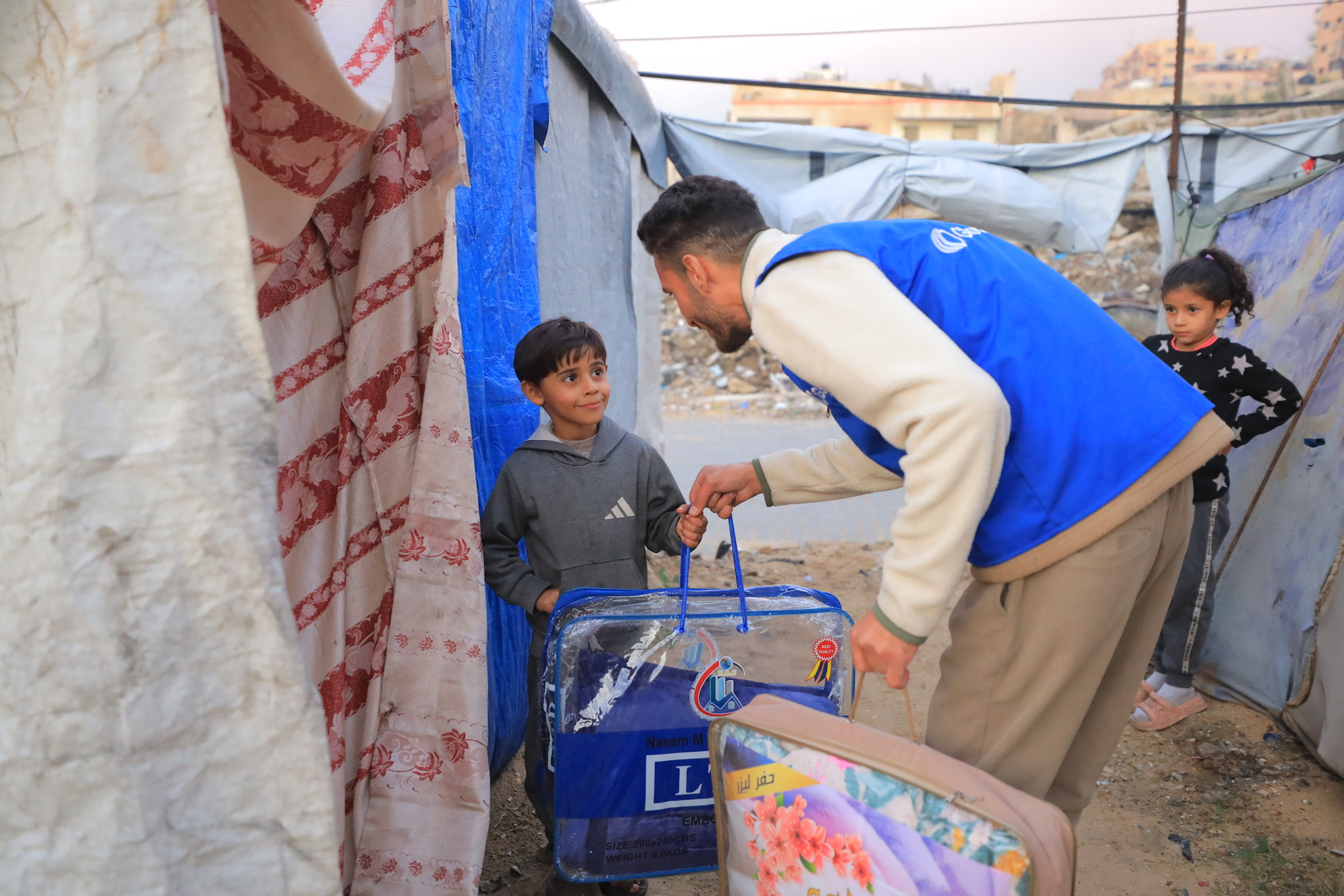
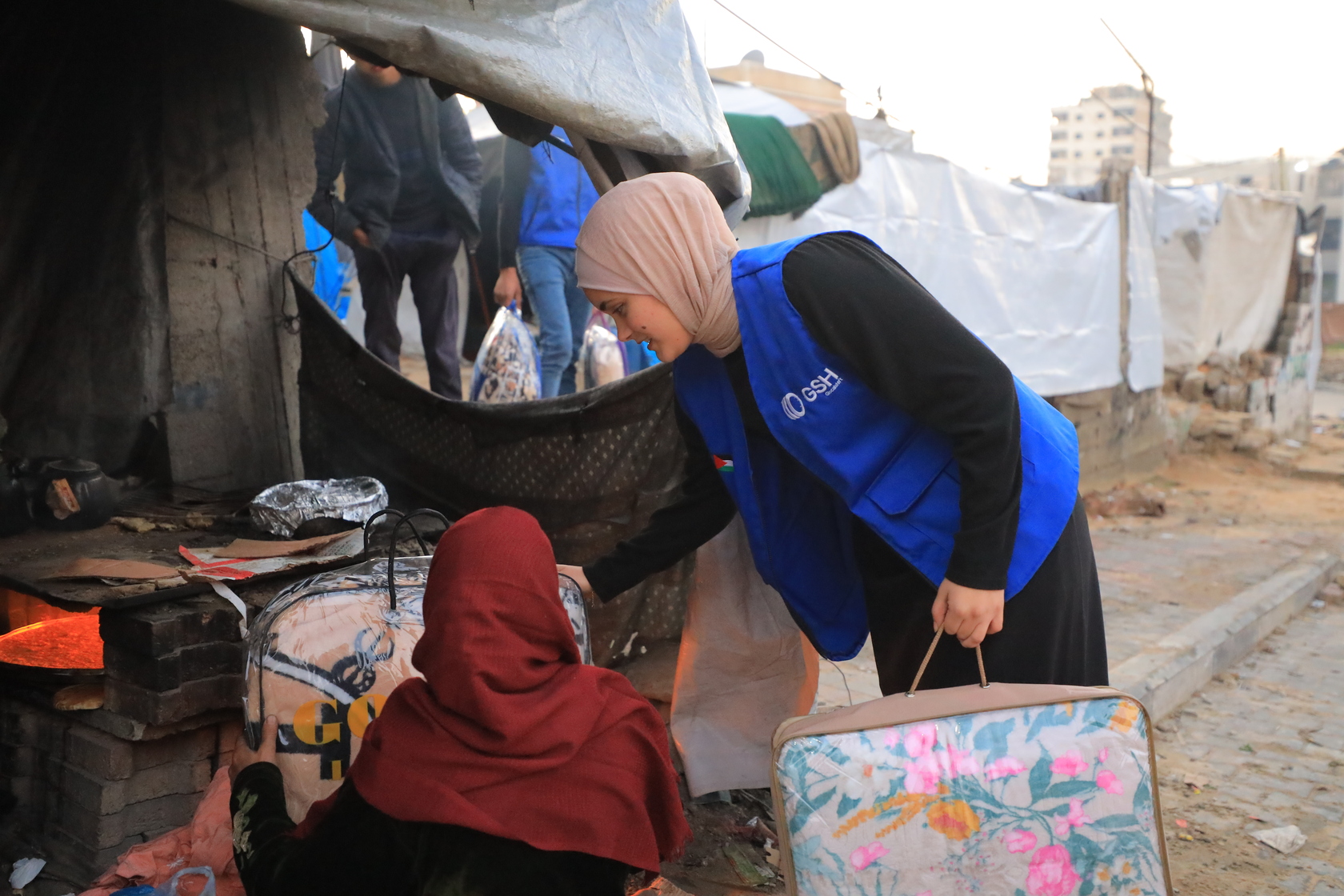
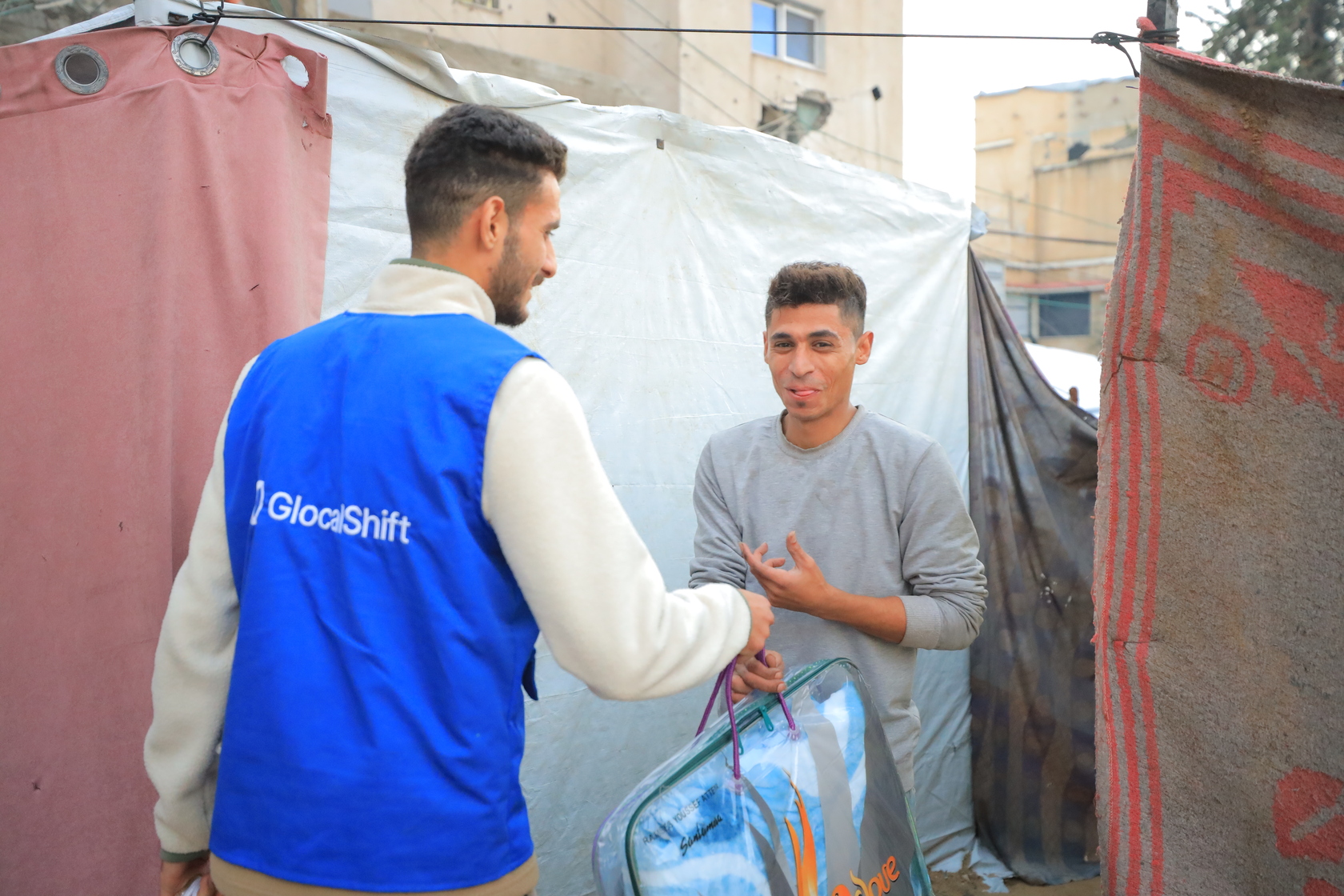
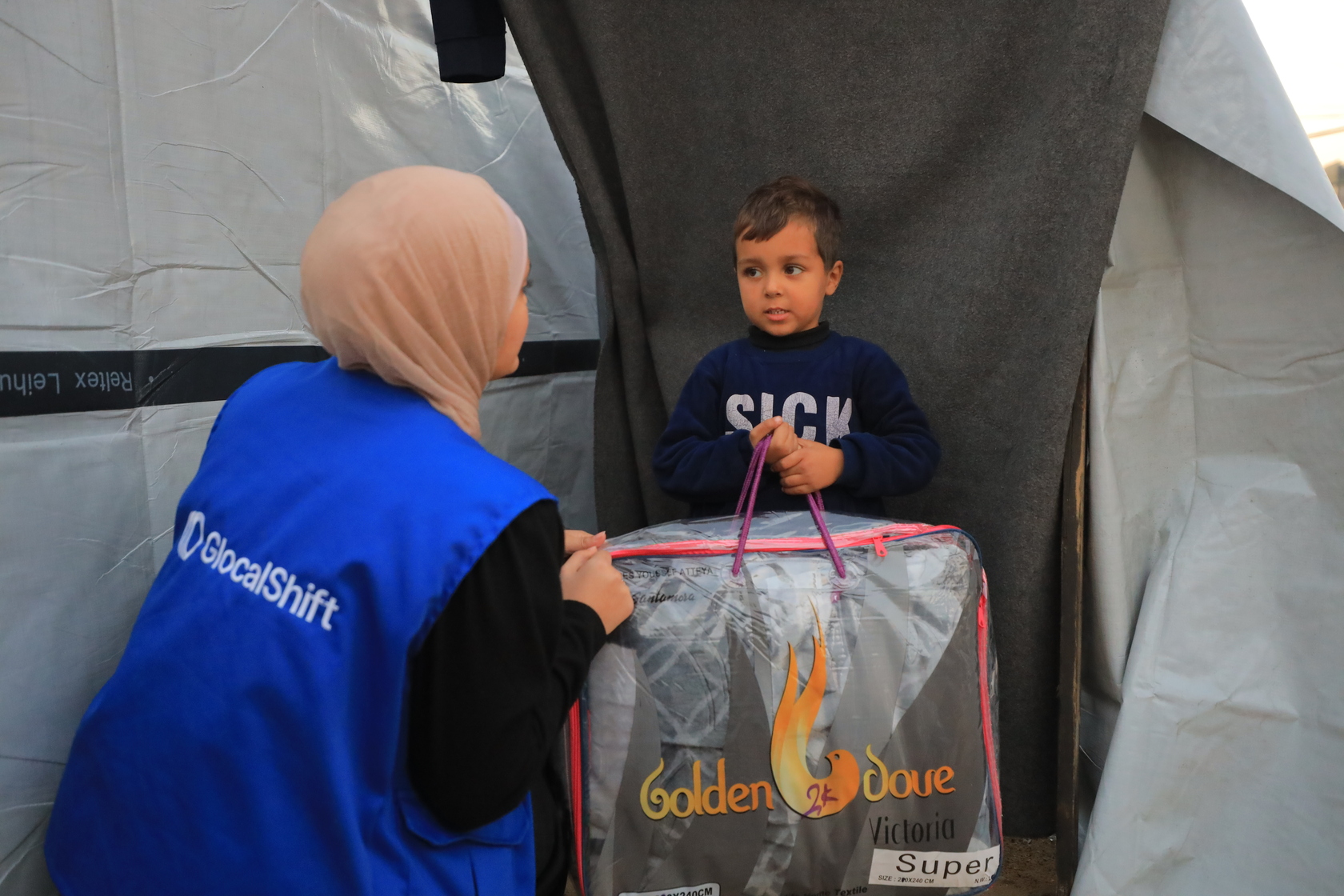
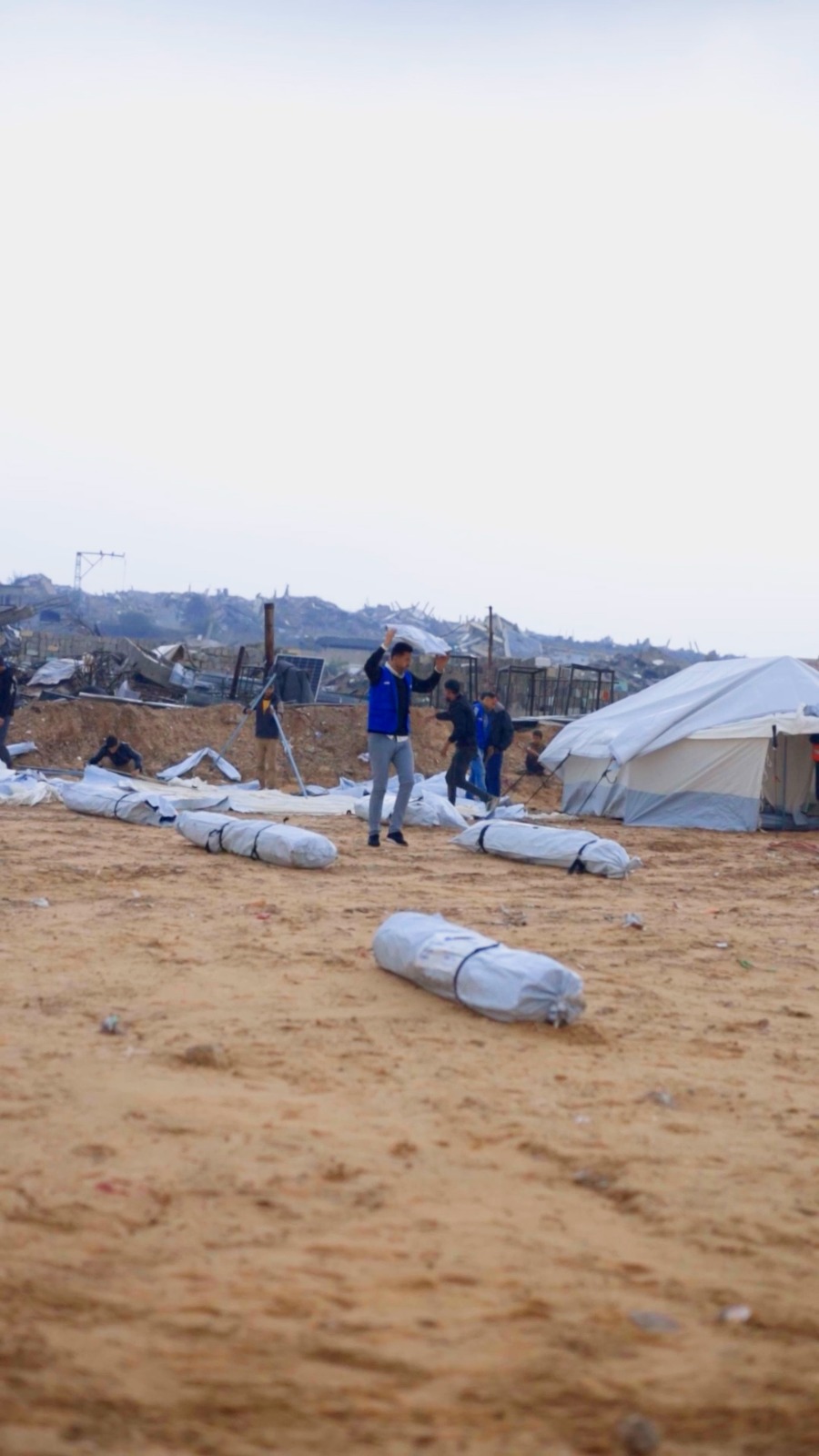
While this project provides crucial immediate relief, the camp’s tent-based shelters remain a temporary response to a much deeper crisis. Repeated winter storms have shown that tents are vulnerable to flooding and damage and do not offer sufficient protection. Durable shelter alternatives such as caravans or mobile homes are widely recognised by aid agencies as better suited to withstanding harsh weather and ensuring dignity and safety for displaced people. However, as noted above, no caravans have yet been allowed entry into Gaza under the current arrangements.
This project, funded by AL Monasara Islamic Zakat Committee in cooperation with Jordan Hashemite Charity Organisation, exemplifies the power of local and regional solidarity in responding to urgent humanitarian needs. Yet it also underscores the limitations faced by communities when access to more resilient shelter materials is blocked, and when fuel shortages continue to hinder essential services.
As winter conditions persist and displacement continues, humanitarian responses must move beyond temporary stopgaps. Supporting municipal workers with adequate shelter is not only about bringing them closer to their places of work, but also about stabilising the basic functions that sustain daily life for all residents. Durable shelter solutions such as caravans remain an urgent requirement, both for human dignity and for effective humanitarian protection. The international community and responsible authorities must ensure these solutions, alongside fuel and other essential supplies, are permitted entry into Gaza without delay.
.jpeg)


%20-%20frame%20at%200m21s.jpg)