
"My daughter said: 'Mum, give it a try. Maybe this could become your thing.' And I thought, why not take the risk?"
Odesa is one of the five regions in Ukraine with the highest concentrations of internally displaced people. By April 2023, more than 146,000 had registered in the region alone, many arriving from Donbas, Kherson and Mykolaiv, according to the International Organization for Migration. The influx reshaped the local labour market almost overnight.
The toll on women has been disproportionate. In 2023, women made up 72.5 per cent of the unemployed across Ukraine, and by 2024 fewer than half of displaced women were in employment, compared to 71 per cent of men, according to UN Women.
Hanna had spent years focused on her household, raising her children and managing daily life under the strain of war. When the wider economy began to buckle, that pressure became acute.
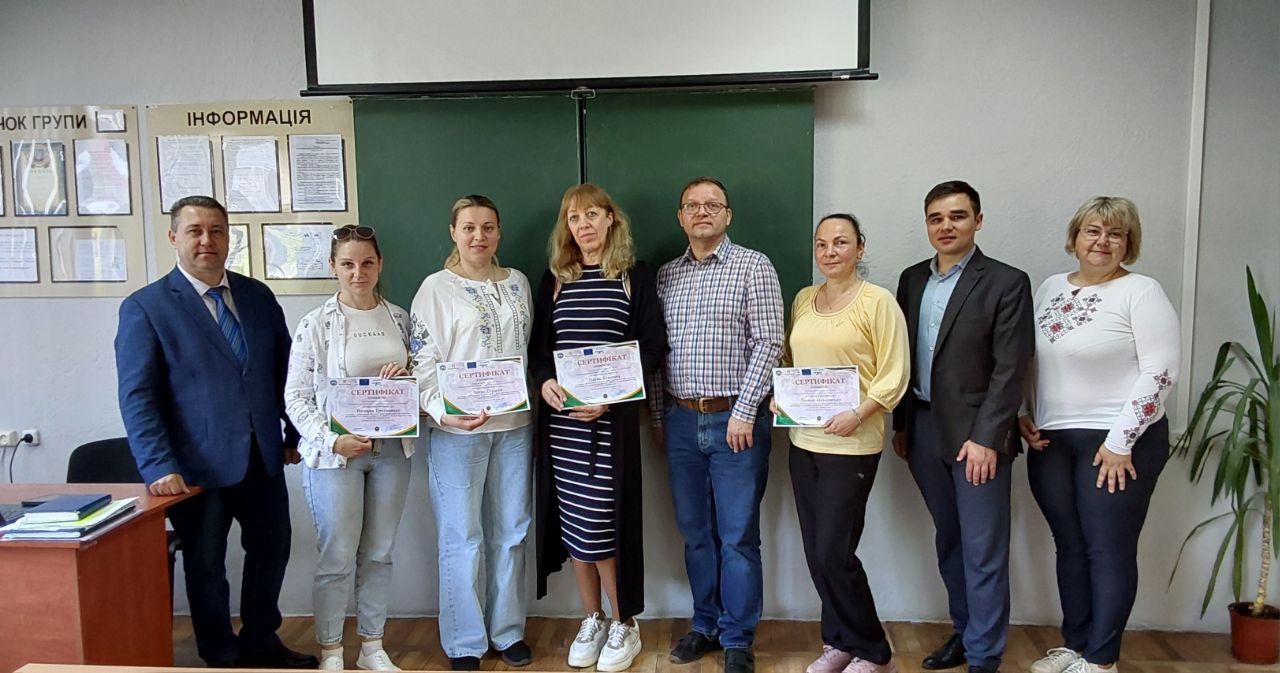
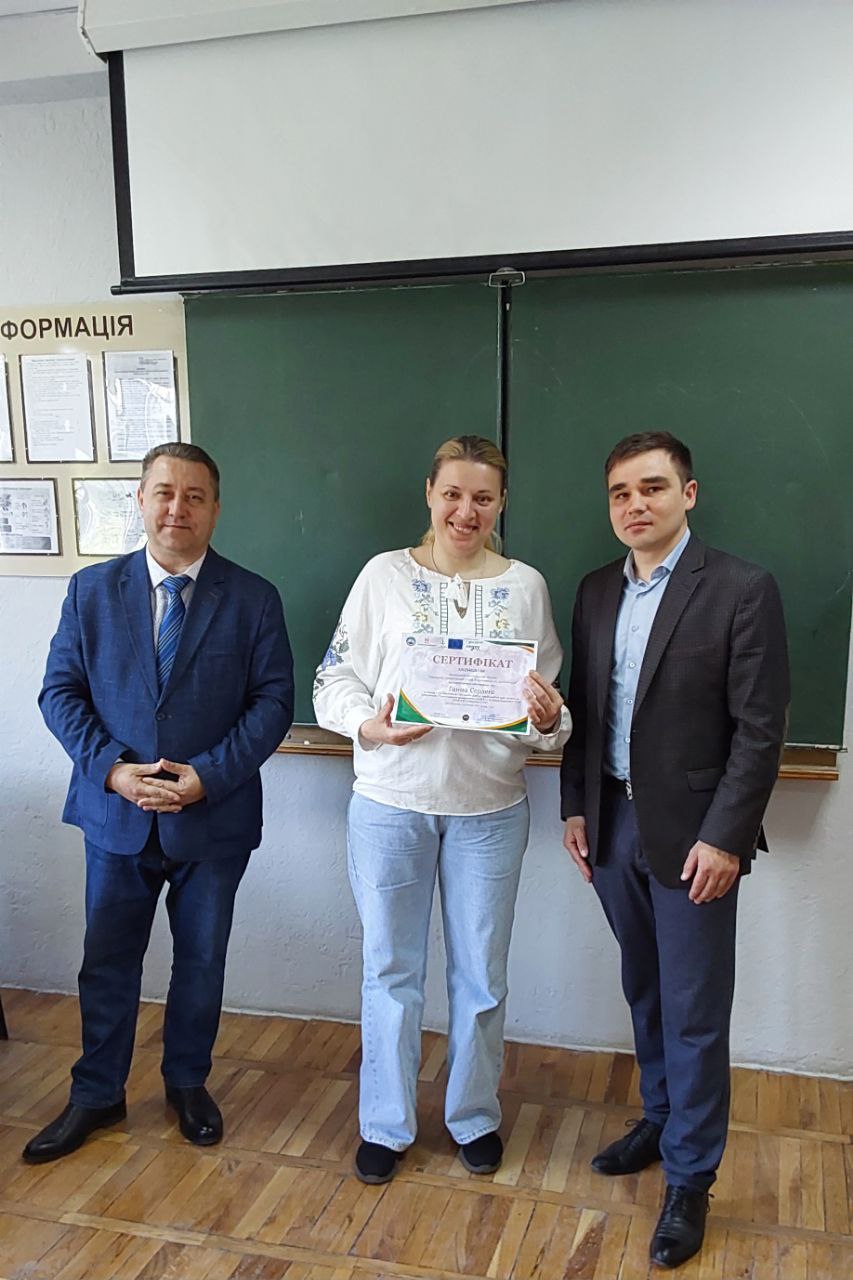
Then she saw a registration form on social media. A reskilling programme, Empowering Southern Ukraine’s Workforce programme, supported by the CEGOS Group and GlocalShift Foundation in partnership with Progressive&Strong, was offering free vocational training to women in the Odesa region. One of the available courses was baking.
The timing felt right. It also helped that her daughter gave her a nudge.
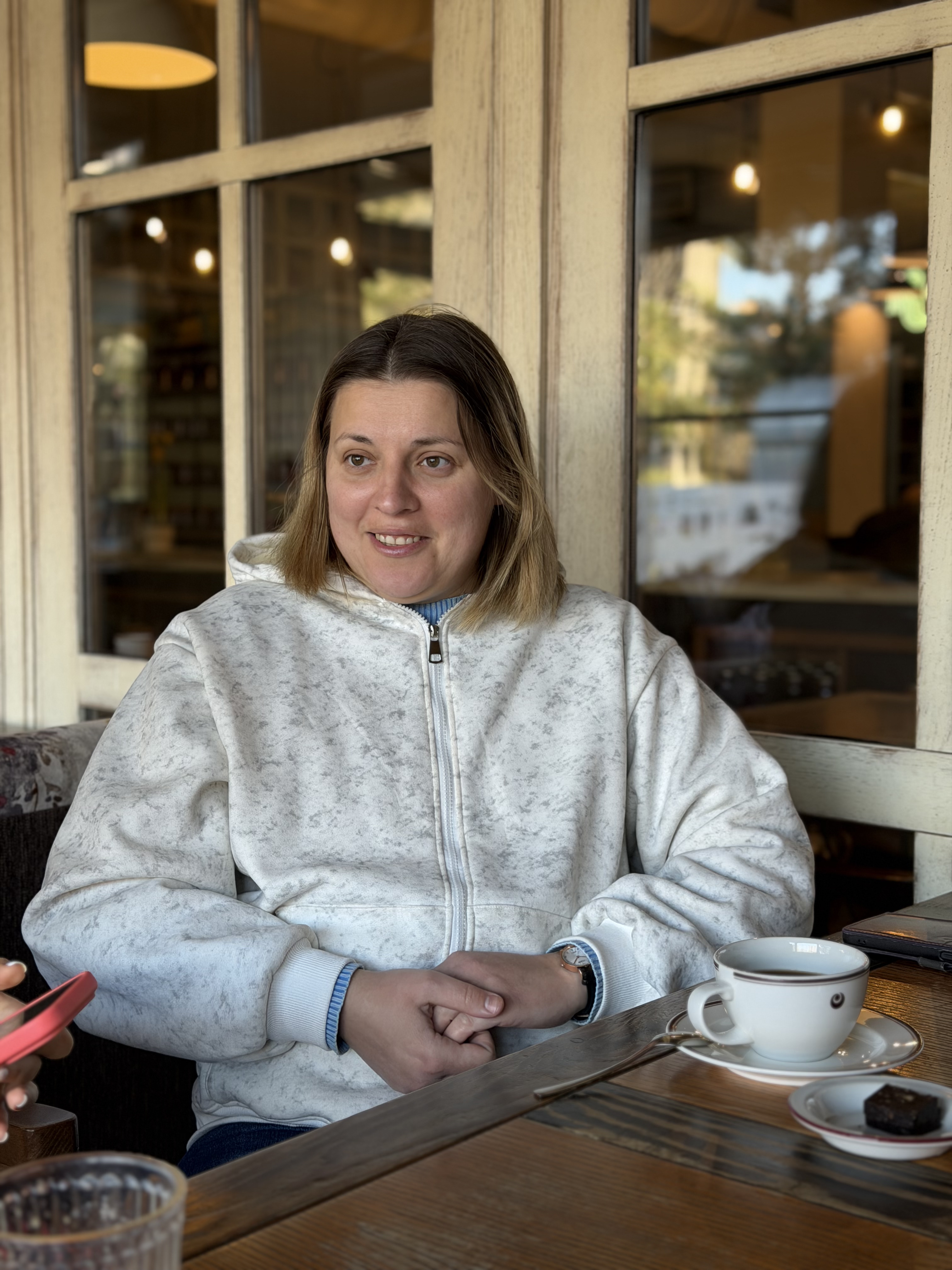
"We often cooked together at home, baking pies, making pastries and pizza," Hanna recalls. "My daughter said: 'Mum, give it a try. Maybe this could become your thing.' And I thought, why not take the risk?"
The class she didn't want to miss
Hanna had spent her working life in administrative roles, none of which had much to do with her original training. The baking course was the first time she had learned something she had actively chosen.
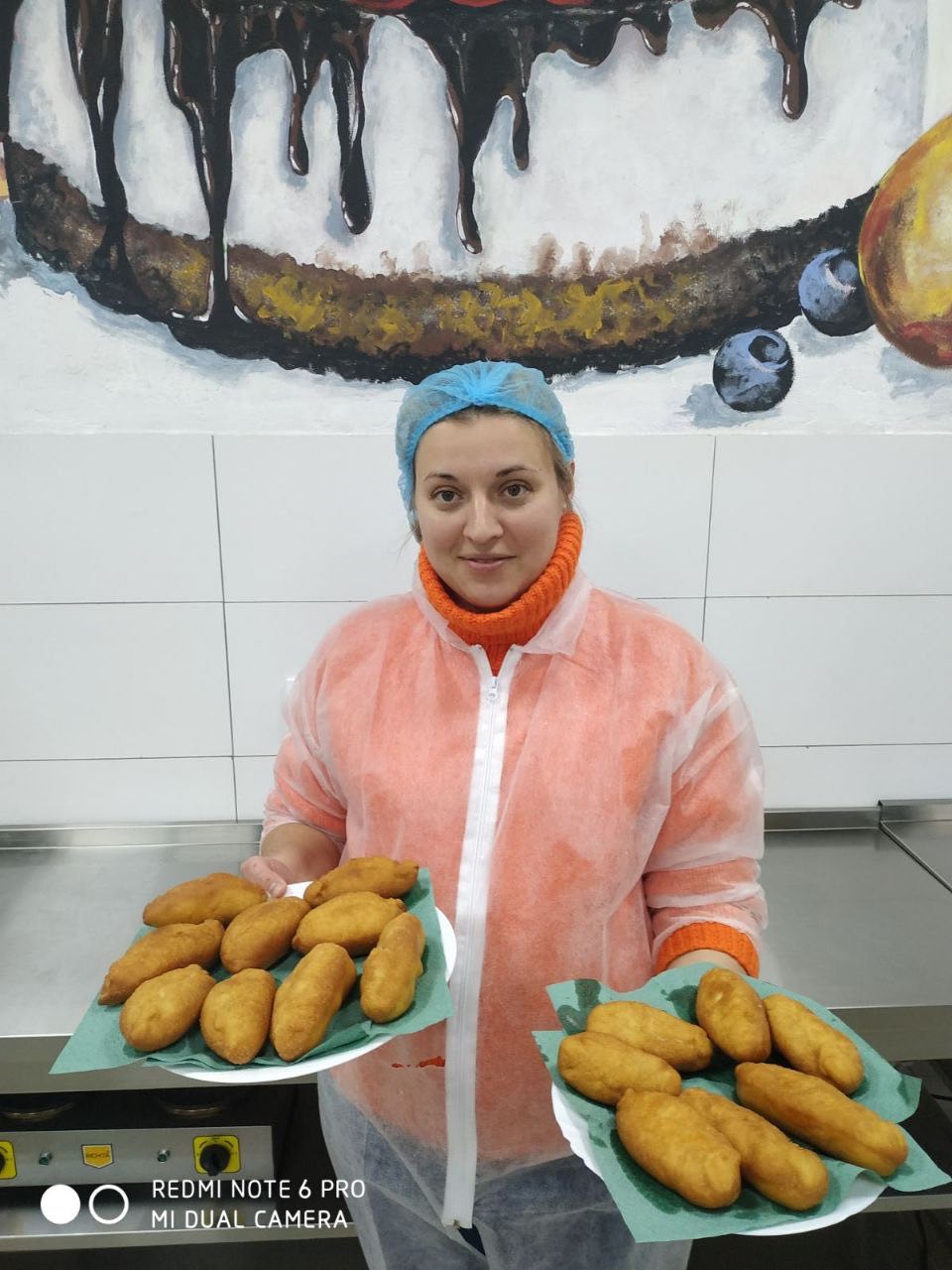
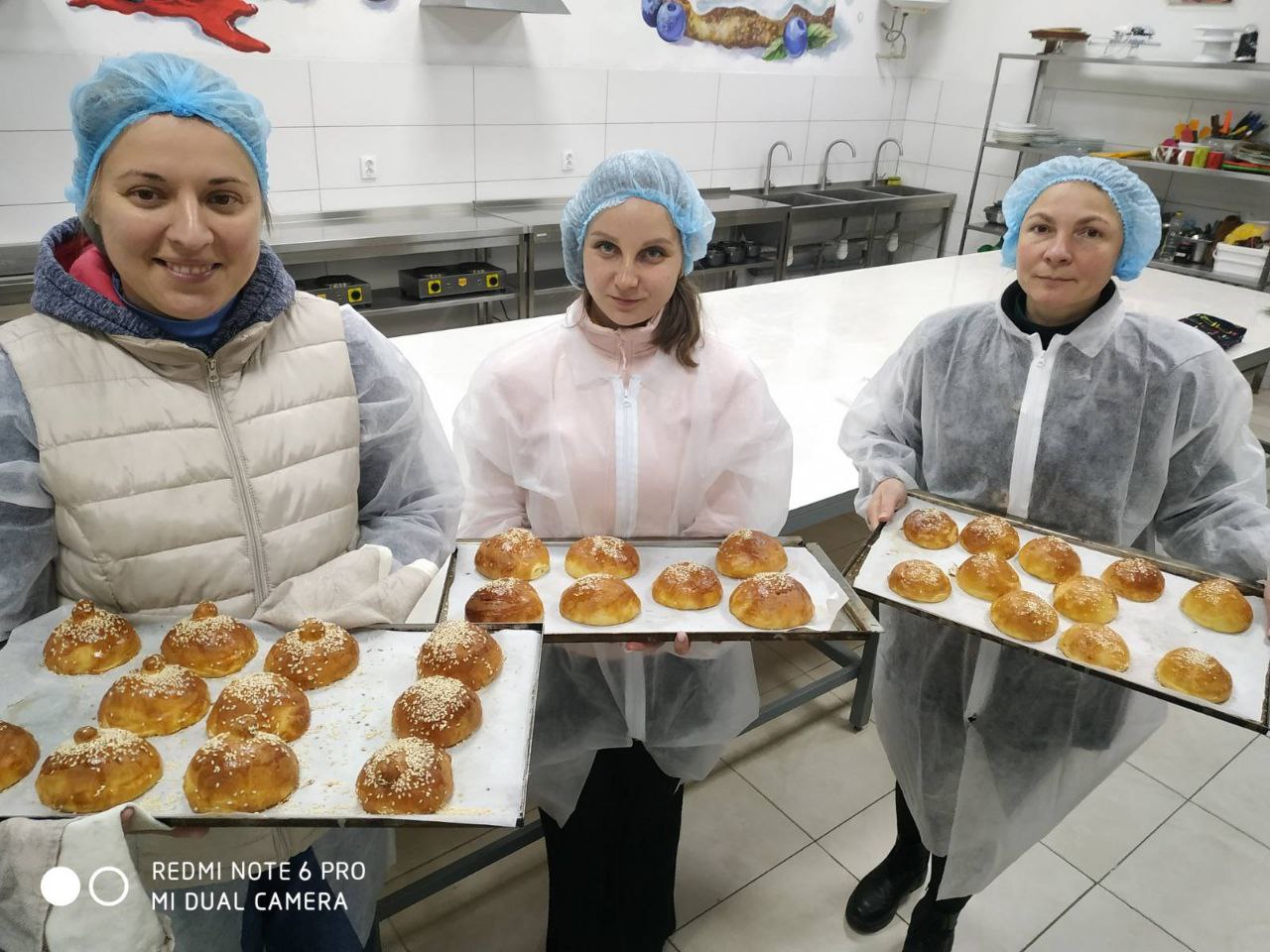
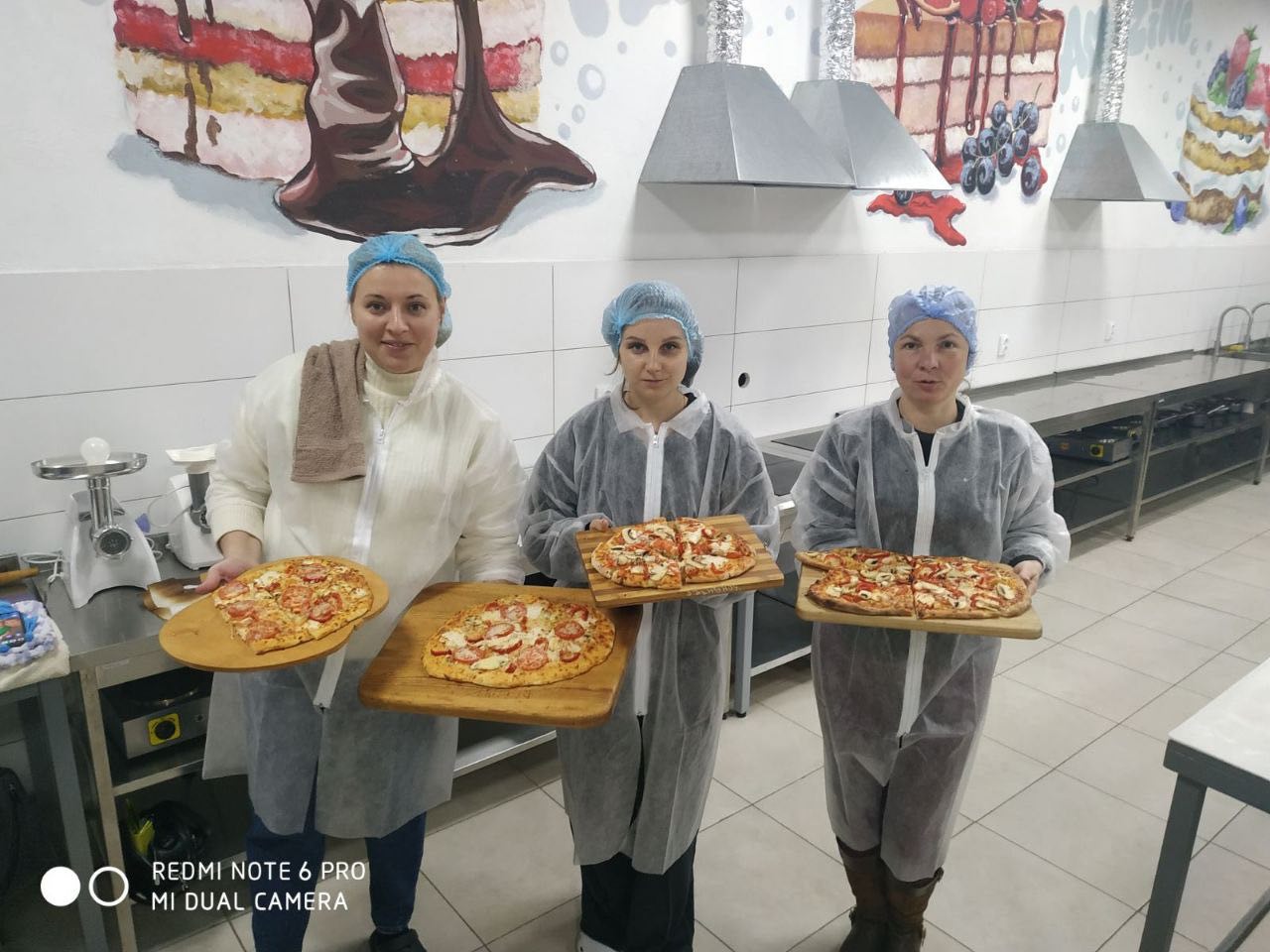
The programme was practical and rigorous. Participants worked from technical sheets and moved straight into hands-on preparation, covering yeast and unleavened dough under professional instruction.
"Every day, I wanted to go to class," she says. "Our instructor didn't just teach. He inspired us. Even after the course ended, he still shares recipes and checks in on us."
By the end, Hanna had more than a new skill set. She had proof, to herself, that she could do it.
"I got exactly what I was looking for, knowledge and belief in myself."
Twelve-hour days and hard lessons
Hanna moved quickly from the classroom into real production. She shaped dough products in a bakery setting, then joined the kitchen team at Obzhora, one of Odesa's supermarket chains. The work was demanding: shifts stretching to twelve hours, a considerable physical toll, and the need to adapt fast to a professional pace she had not encountered before.
"It was difficult, both physically and mentally. But it was very valuable experience. I saw how everything works from the inside," she says.
She went on to try pizza preparation and working with different dough types and products. Each step added to her understanding of the trade. The process reflects a broader pattern across Ukraine, where approximately 2.4 million jobs have been lost since 2022, representing around 15.5 per cent of the total workforce, according to the International Labour Organization. For women outside formal employment, routes back in have rarely been straightforward.

Back to the kitchen table
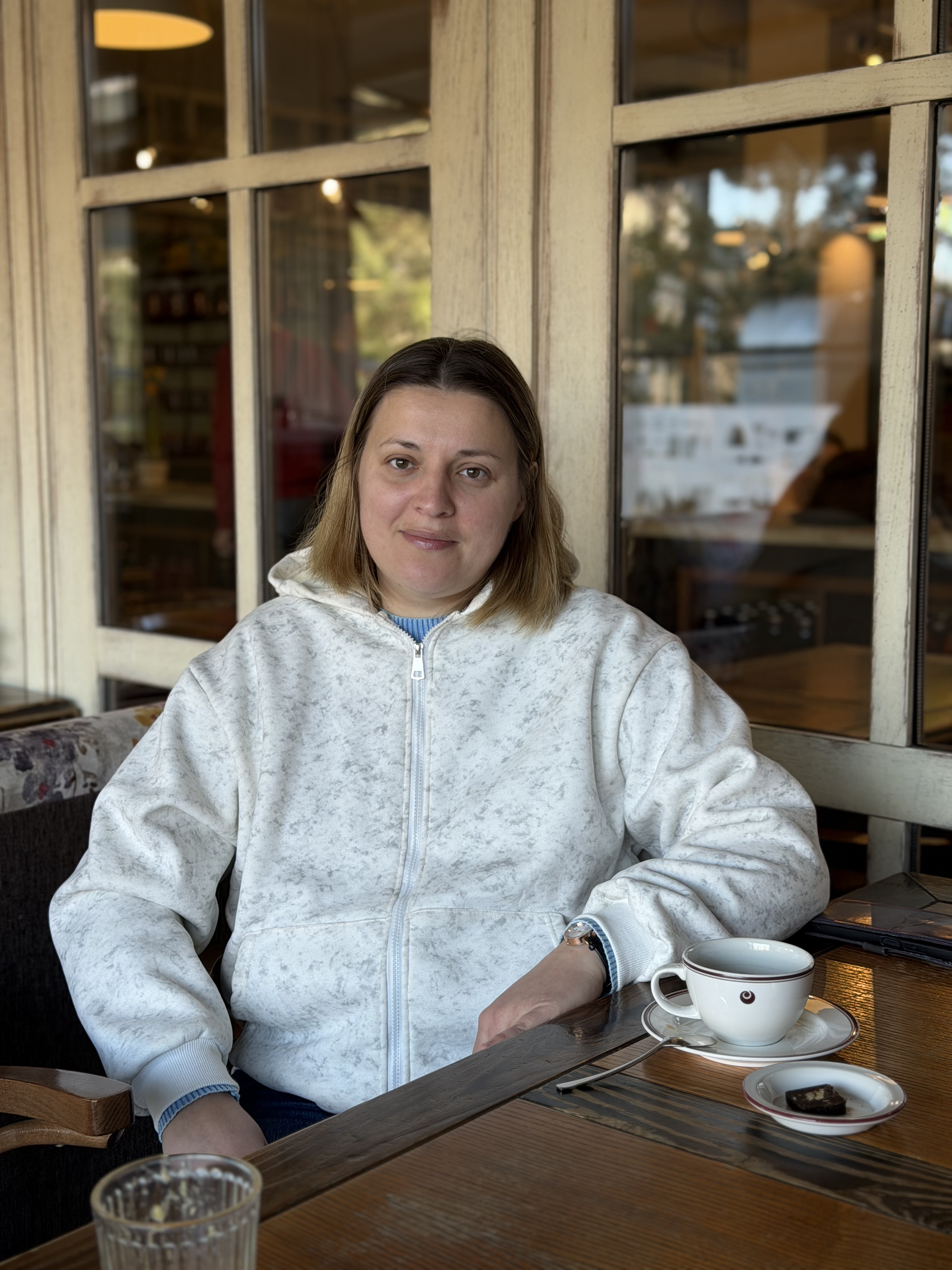
Today, Hanna is not working in a commercial kitchen. She is working at home, baking bread and sweet pastries to order for her own growing customer base. The workplace dynamics she encountered in formal employment, where she felt the support she needed from managers and colleagues was often absent, left her wanting something different.
At home, she has her daughter, her family and the kitchen they have always shared.
"I can't say 100 per cent that this is my calling," she reflects. "But I enjoy creating, working with my hands, cooking for my loved ones and for orders. And I already know that I can do more than I thought before."
Her path is not unusual. One in every two businesses in Ukraine is now founded by a woman, according to UN Women. Across the country, women pushed out of formal employment by displacement, caring responsibilities or economic disruption have been finding their own routes back into economic life.
What stays with her
The scale of what Ukrainian women have absorbed since 2022 is considerable. Women spent an average of 56 hours per week on childcare in 2024, up from 49 hours before the war, according to UN Women. At the same time, poverty rates have risen sharply, with the World Bank estimating a rate of 37 per cent for 2024.
Against that backdrop, reskilling programmes like the one Hanna joined are designed to do more than deliver a qualification. They offer a way back into economic participation for women who have been sidelined not by choice, but by circumstance.
For Hanna, the experience has left her with a clear conviction.
"You can't stand still. You have to keep developing. If you don't work on yourself, you stop. Life is long, and it's important to keep searching for what truly suits you. But if you have skills and abilities, you will always be able to support yourself and your family."
She pauses, then adds: "I remember this period with warmth and inspiration. It gave me not only knowledge, but also confidence."
.jpg)
.jpg)