Despite the enormous challenges created by the ongoing war, local resilience continues to shine across southern Ukraine. In Odesa, communities are working together to restore livelihoods, strengthen local economies, and create dignified employment opportunities for residents and internally displaced persons (IDPs).
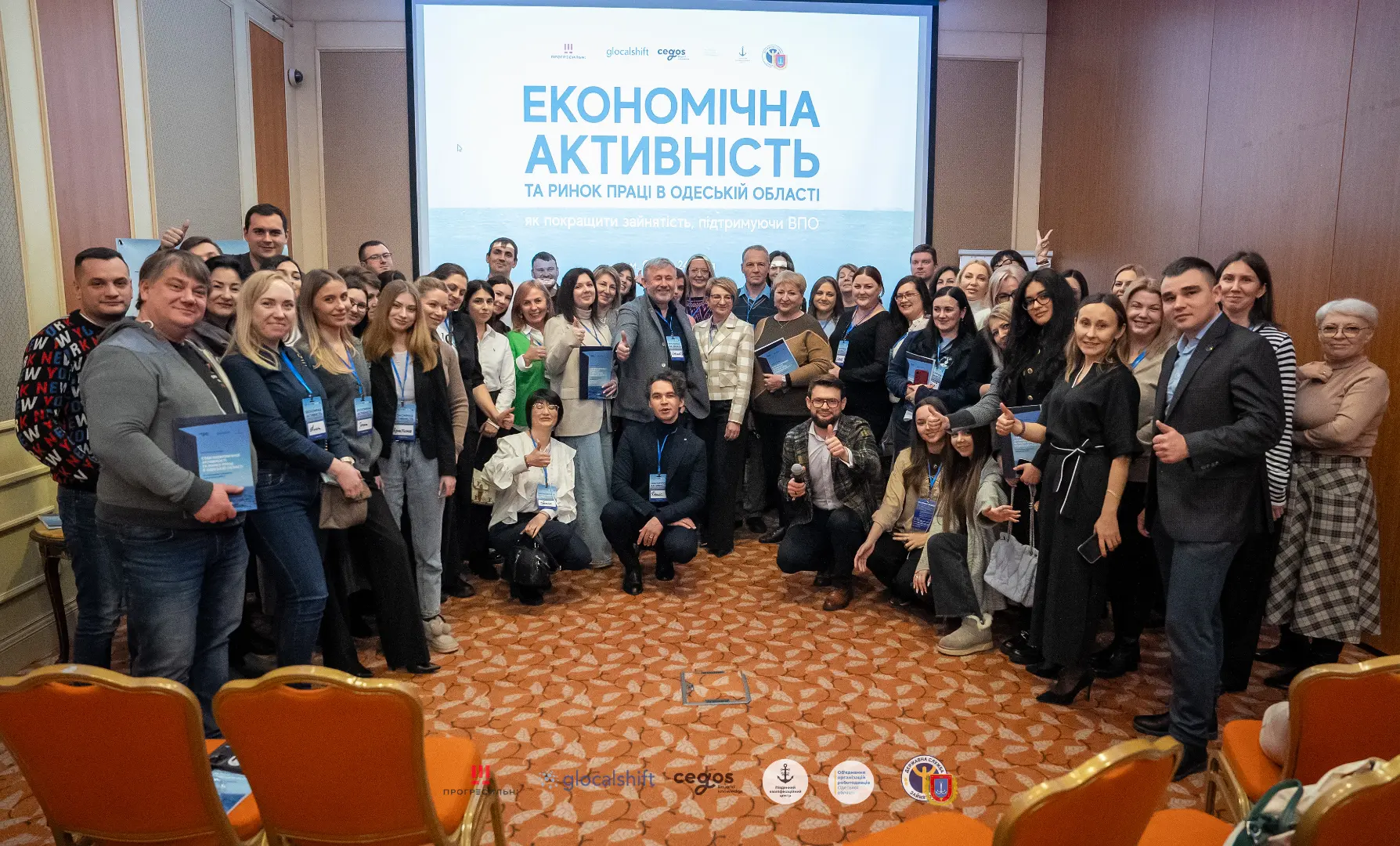
As part of the Employment for Economic Recovery in Southern Ukraine project, Progressive&Strong NGO, in partnership with the GlocalShift Foundation in the Netherlands and the Cegos Group in France, carried out an in-depth analysis of the region’s labour market. The findings, presented in the Pilot Odesa Report, shed light on both the hardships and the determination shaping Odesa’s economic landscape today. The initiative was made possible through close collaboration with local government departments, higher education institutions, and small and medium-sized enterprises (SMEs) across the region.
Understanding the Local Labour Market
The report reveals a region deeply affected by war, with significant damage to infrastructure and disruptions to trade and industry. Yet agriculture, transport, and information technology remain the pillars of Odesa’s economy. Despite reduced investment and the blockade of ports, many small and medium-sized enterprises have shown remarkable adaptability, creating new opportunities through innovation, retraining, and digital transformation.
Bridging the Skills Gap
The research highlights an urgent need to link education, training, and employment. Many businesses report difficulty in finding qualified workers, while job seekers, particularly IDPs, struggle to access retraining programmes that match market demand.
Surveys conducted as part of the study show strong interest in learning new skills. Thirty-two per cent of respondents expressed willingness to retrain, with high demand for courses in information technology, beauty services, and customer relations. Employers, in turn, emphasised the importance of customer service, management, and technical skills, with more than half ready to provide on-the-job training.

Inclusive Recovery Through Partnership
Every business surveyed expressed readiness to employ internally displaced persons, recognising their potential to contribute to the recovery of local economies. Yet barriers such as the lack of housing, limited qualifications, and low motivation remain significant challenges. The report calls for joint action by local authorities, the private sector, universities, training centres, and non-governmental organisations to create housing assistance, accessible retraining programmes, and incentive schemes for employers who support displaced workers.
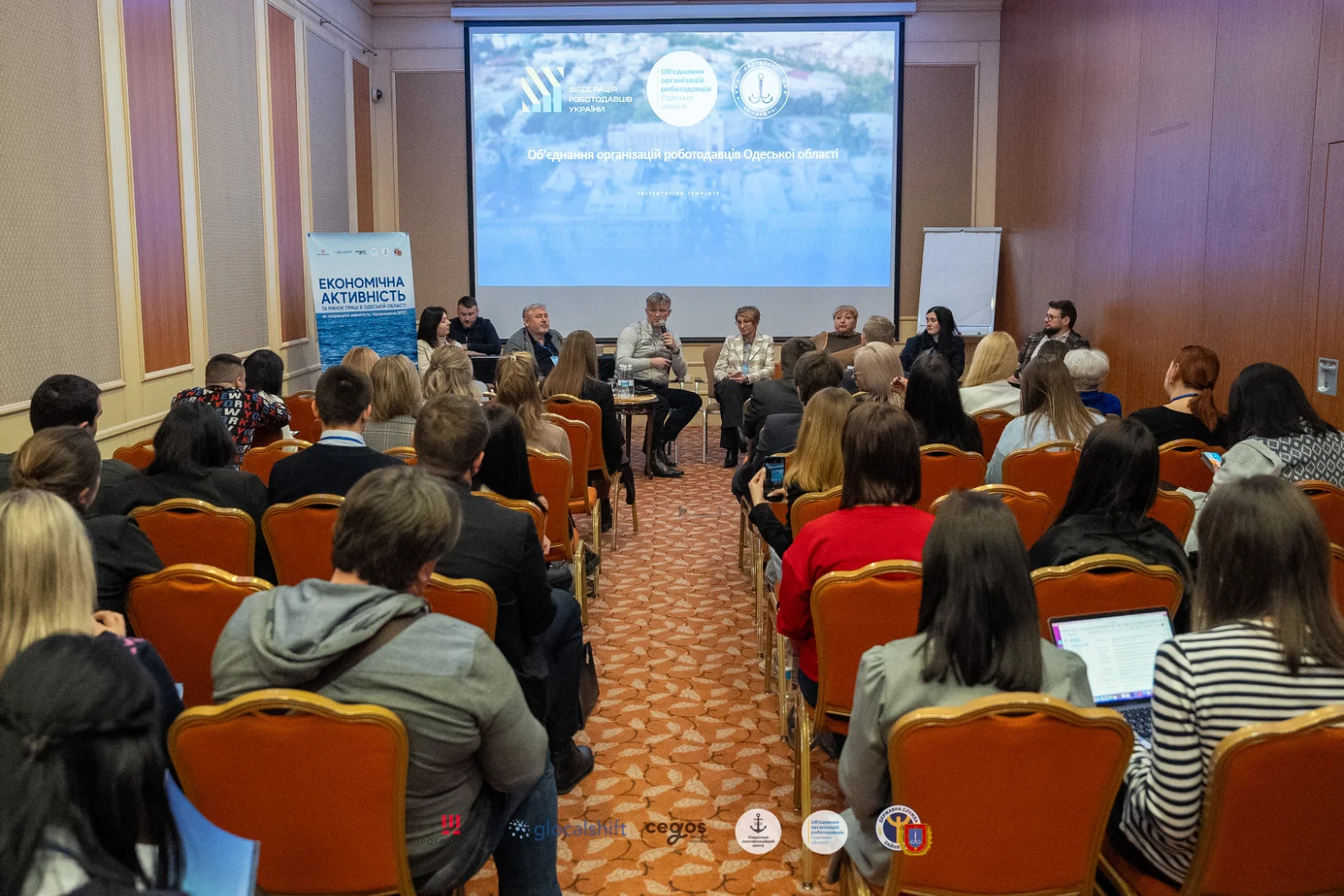
The project has also engaged regional partners including the Department of National Economics of the Odesa Law Academy, which contributed valuable data and insights, and representatives of the local business community who shared their experiences and priorities for the future of the labour market.
A Path Forward
The Odesa pilot offers a clear lesson: rebuilding economies after conflict requires more than the reconstruction of infrastructure. It depends on investment in people. Retraining initiatives, psychological support, and targeted employment programmes can empower citizens to regain financial independence and social stability.
By supporting locally led solutions and fostering collaboration between business, education, and community actors, the project demonstrates that even in times of war, recovery is possible when people are given the tools and trust to rebuild their own futures.
.jpg)