
%20(1)%20(2).jpg)
A Critical Moment for Syria
After more than a decade of conflict, Syria stands at a critical crossroads. Youth unemployment sits at 33 per cent, ninety per cent of the population lives below the poverty line, and the World Bank estimates reconstruction costs at $216 billion against a GDP that has fallen by more than half since 2010. The UNHCR counts over 13 million Syrians displaced or in need. It was against this backdrop that GlocalShift CEO Yannick Du Pont travelled to Syria this week, alongside Bert Koenders, the former Dutch Minister of Foreign Affairs and Minister for International Development Cooperation, and Kido Koenig, Director of the Foundation Max van der Stoel and Secretary-General of the European Forum for Democracy and Solidarity.
For Du Pont, who has worked intensively on Syria since 2013 through SPARK and now GlocalShift, the trip carried personal weight. Sitting in a free Aleppo in 2026, watching a new generation of Syrian institutions plan their own recovery, he described it as something of a full-circle moment, more than a decade after first helping support scholarships and the early foundations of an entrepreneurship movement in the country's north.
Damascus: A New Conversation on Private Sector Reform
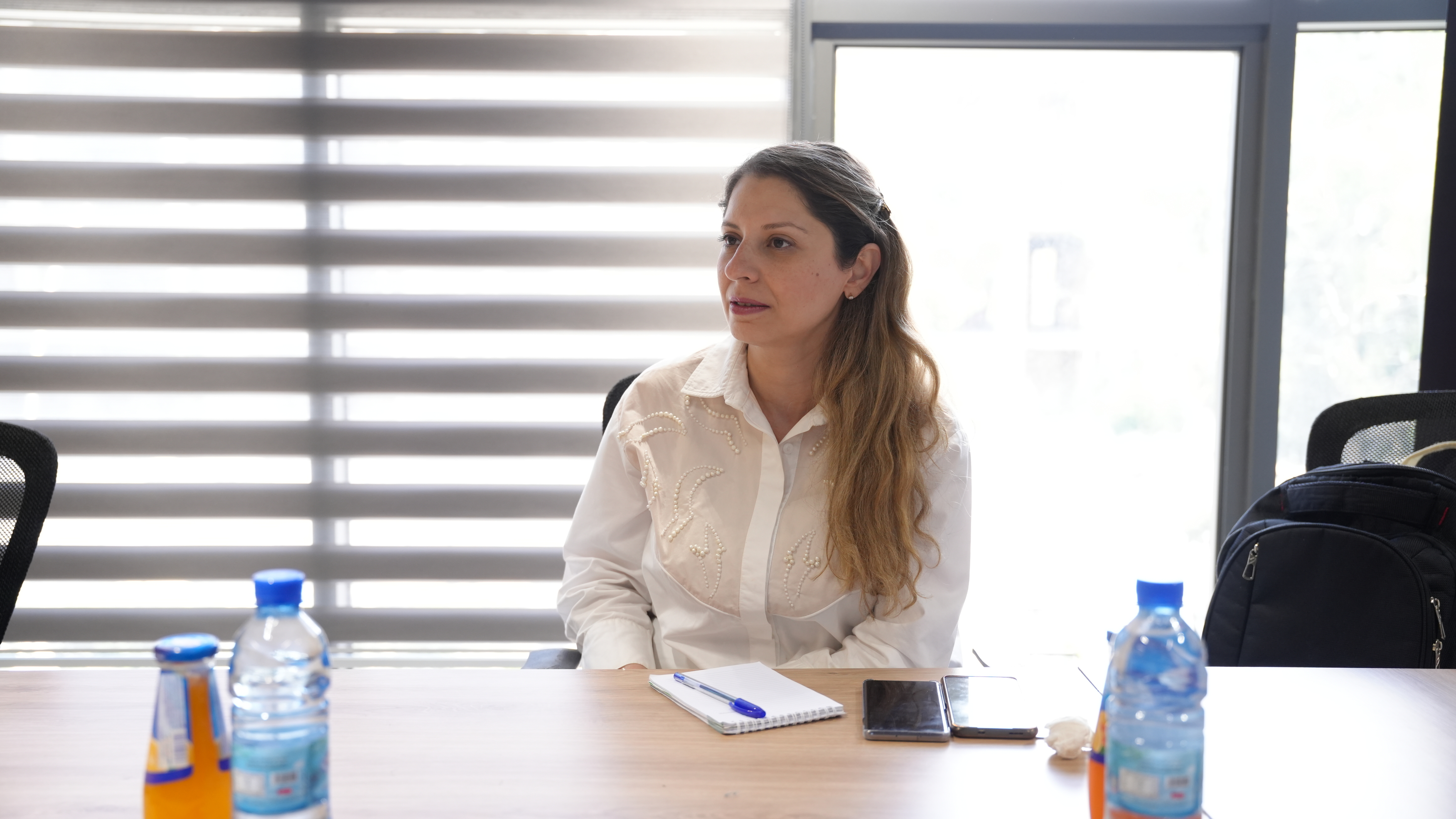
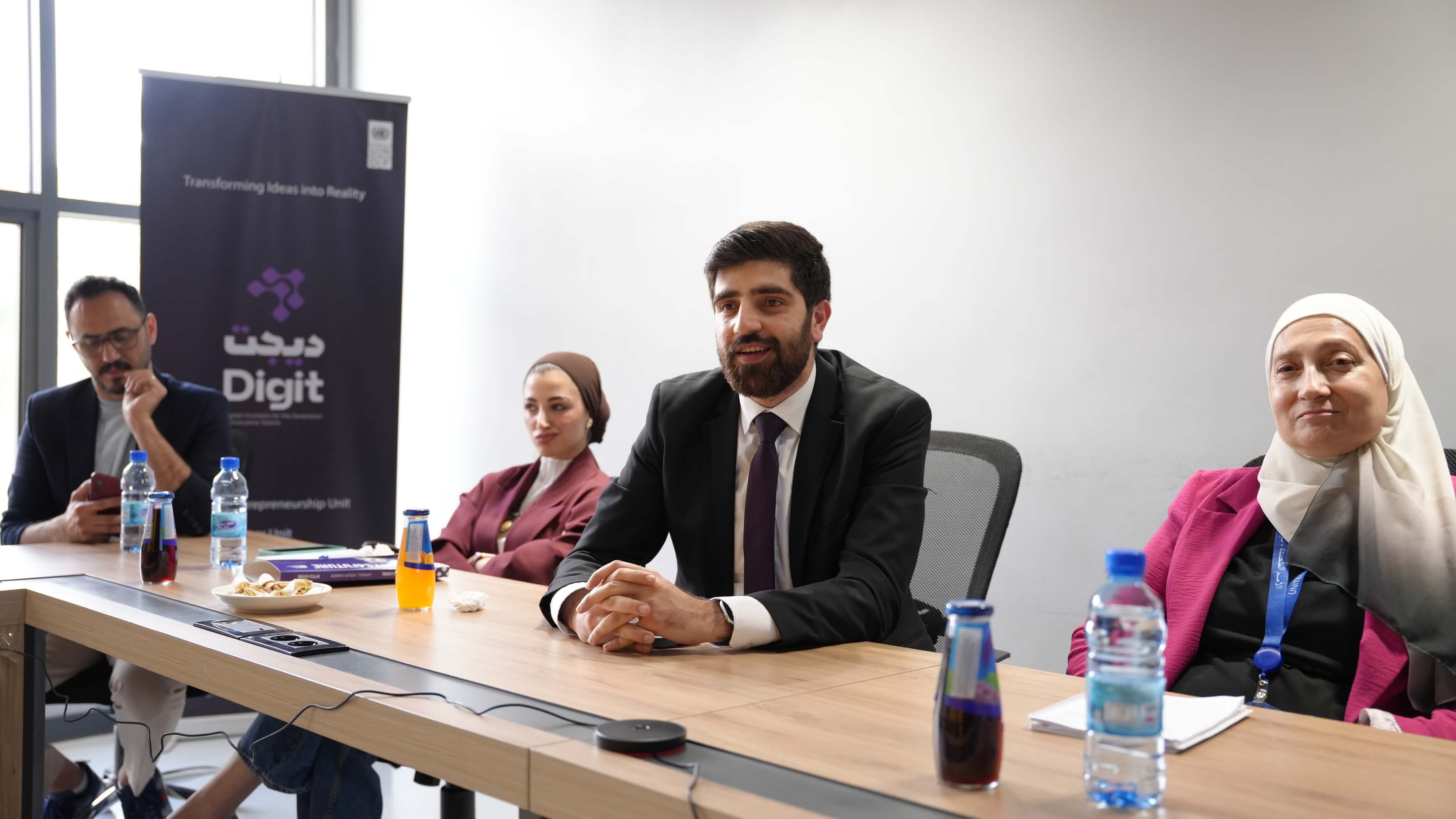
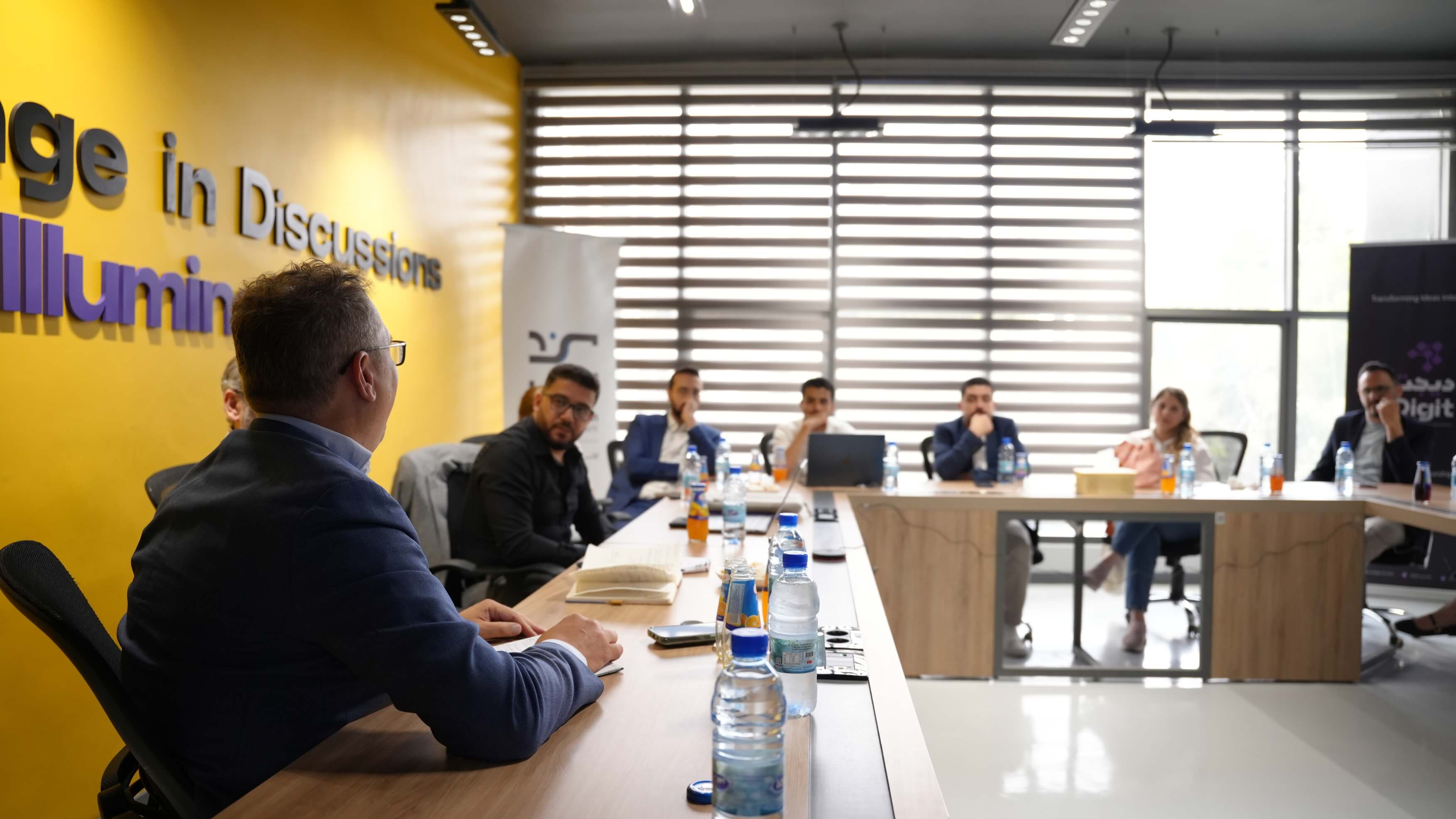
The delegation's week began in Damascus, at the first Syrian Private Sector Dialogue held since the fall of the Assad regime, following a business leader dinner that included government officials, investors, chambers of commerce, entrepreneurs, diaspora networks, and international partners gathered to address the reforms Syria needs in investment, finance, job creation, skills development, and trade.
The takeaway from the room was unambiguous: Syria's recovery cannot wait, and it cannot rest on aid alone. A vibrant private sector is not a future luxury but a prerequisite for stability today, and the international community's role should be to support that process rather than direct it. As Du Pont put it afterwards, "Syria's future will be built by Syrians. Only a genuinely locally led development approach can deliver reforms that are credible, impactful, and sustainable."
Learning to Earning: Scaling a Syrian-Led Model
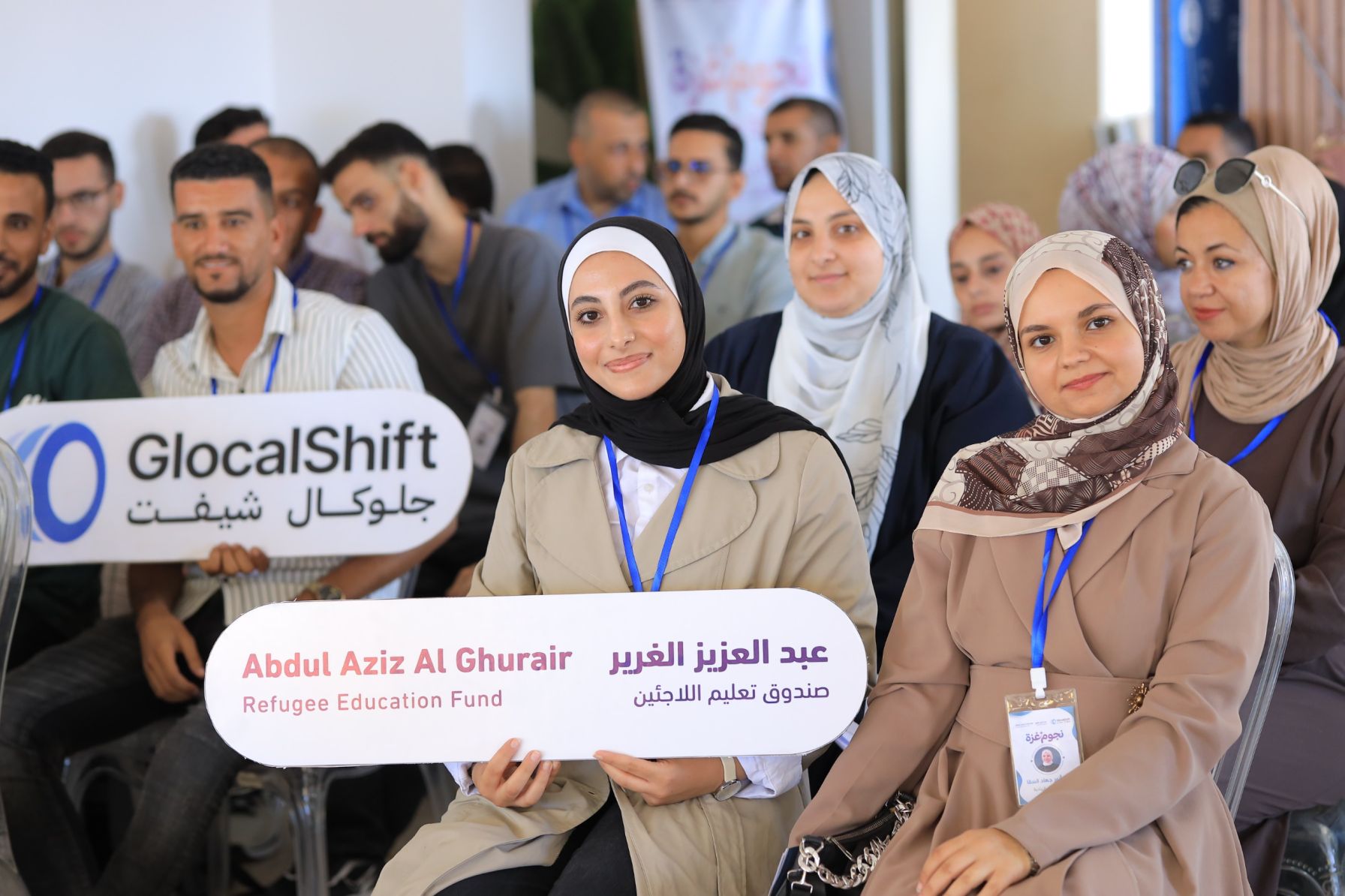
That principle was put into practice this week with the launch of Learning to Earning, GlocalShift's job-creation programme built on a strategic partnership with the Abdul Aziz Al Ghurair Refugee Education Fund. Syria now hosts the largest partner network in the entire programme: five Syrian organisations delivering training and real employment pathways across the sectors the country most urgently needs to rebuild.
Sanad Youth for Development is training young people in front-end and back-end development, AI-integrated web solutions, UI/UX and product design, and digital marketing. Midad Organisation is building automotive technical and vocational skills, including EV and hybrid systems and mechatronics, alongside full-stack development and an automation and advanced manufacturing track delivered through the Innovation Centre at the University of Aleppo. SEWAR Organisation is reviving Syria's traditional trades, training carpenters, electricians, plumbers, welders, and tilers. The International Agricultural Cooperation Organisation is restoring livelihoods in the land through olive farming, food processing, livestock production, and digital and business skills for farmers. Jusoor is opening green pathways, training people in solar PV installation and maintenance, eco-friendly construction, sustainable water management, and digital literacy and cybersecurity fundamentals. Each partner already has strong employer linkages in place, meaning the skills being taught translate directly into jobs rather than certificates that go unused.
At launch events in Damascus and Aleppo, young professionals, local partners, and fellow changemakers gathered to reflect on the pilot phase and align on the roadmap ahead. The expansion reflects H.E. Abdul Aziz Al Ghurair's commitment to building sustainable pathways for young people while trusting the local organisations best placed to deliver them. The programme's message, distilled into its own tagline, is simple: certified skills, real jobs, a Syria worth returning to.
.jpeg)
Aleppo: From Survival to Ambition
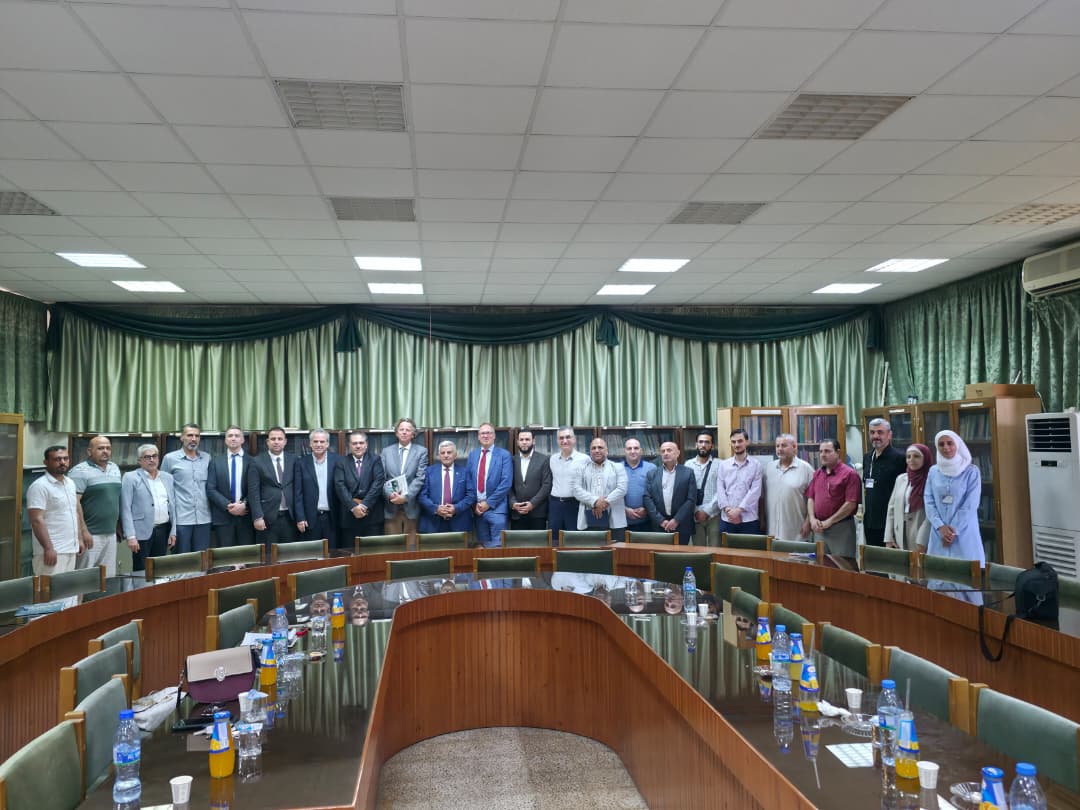
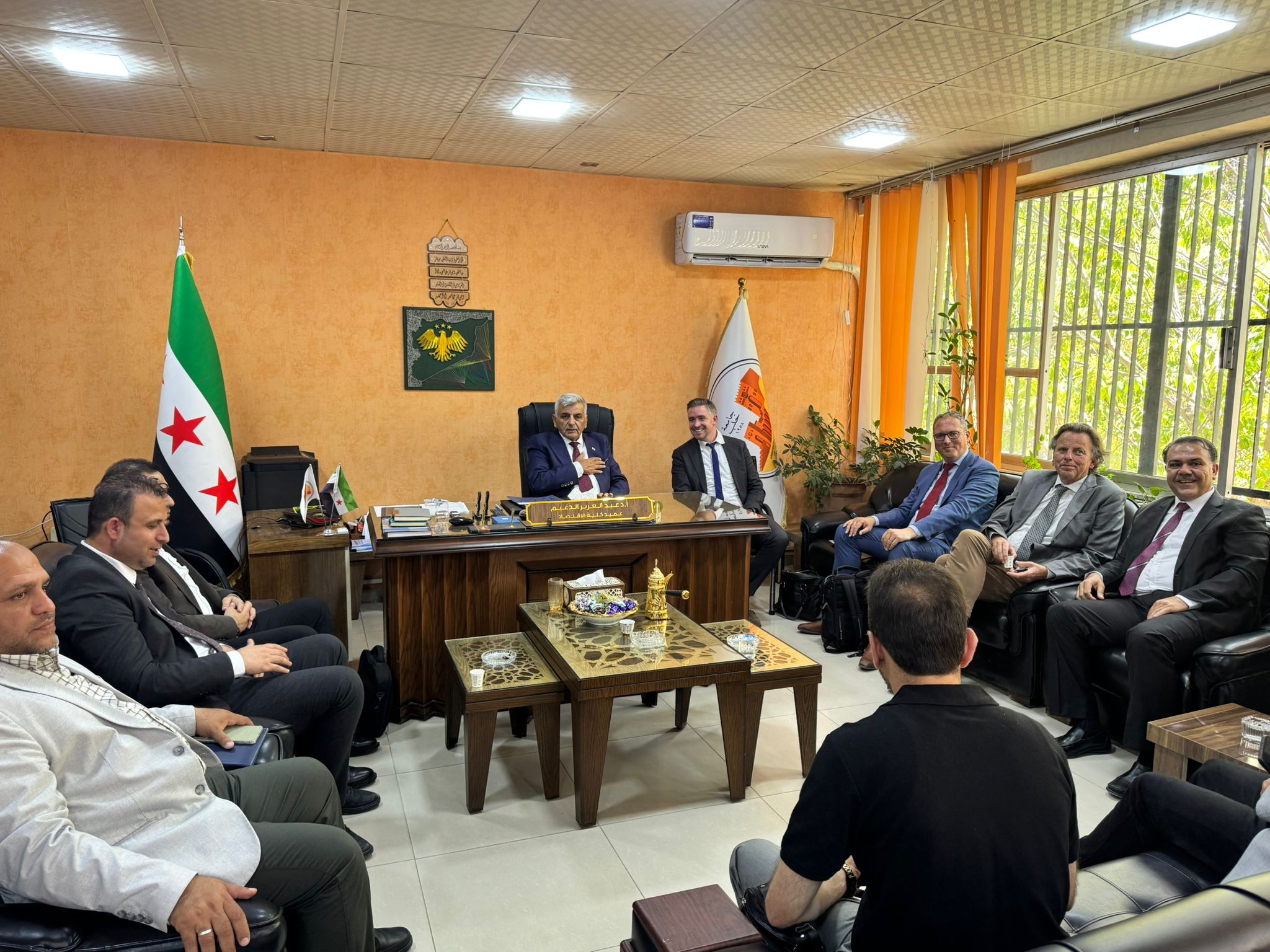
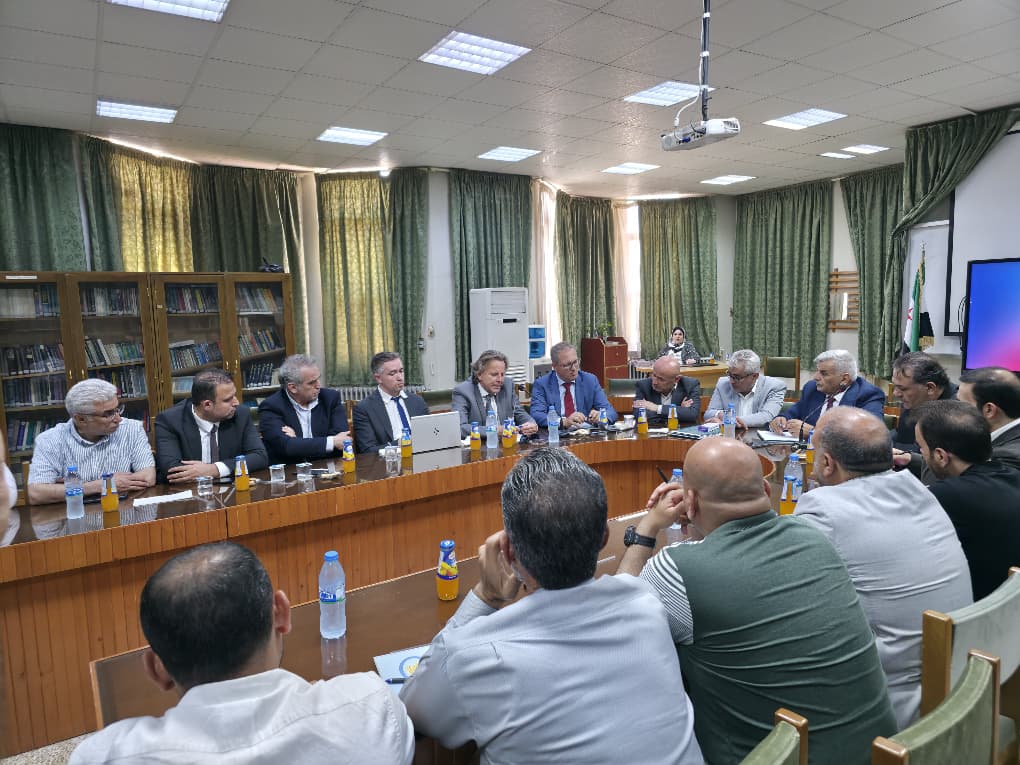
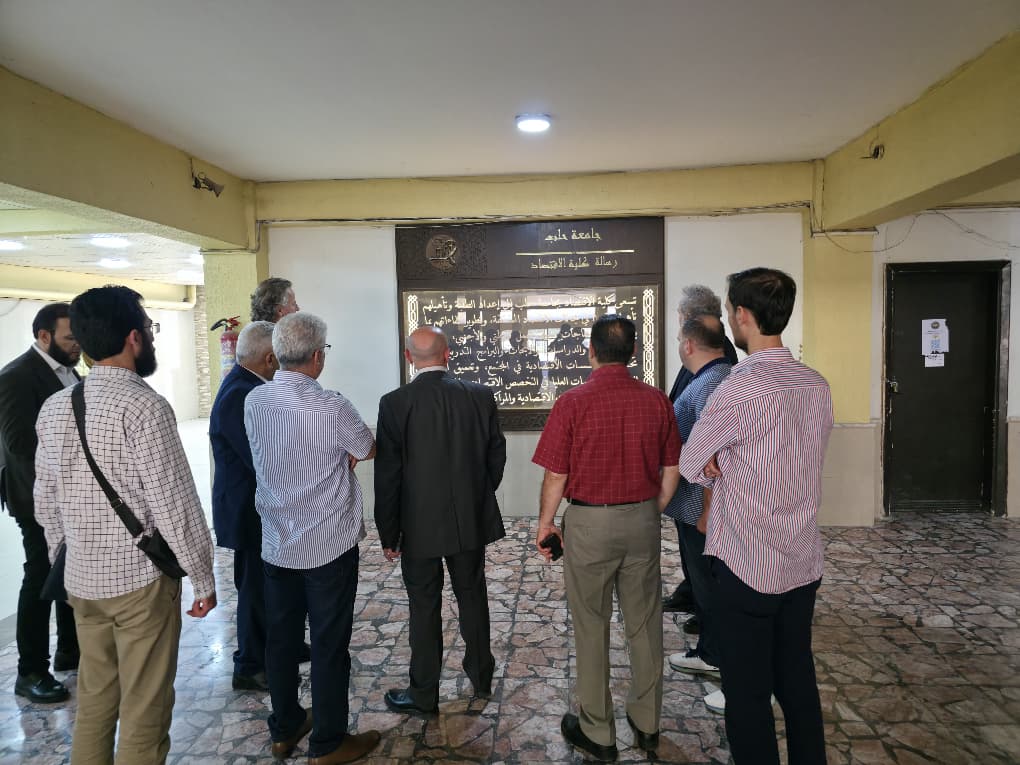
In Aleppo, Du Pont met the leadership of the Faculty of Economics at the University of Aleppo, alongside entrepreneurs, civil society leaders, agricultural innovators, and former opposition figures who had refused to let education die during the conflict's darkest years. He noted afterwards that what struck him most was not the discussion of funding or infrastructure, but the ambition in the room. After fourteen years of war, displacement, and destruction, the conversation was not about survival, but about university incubators, entrepreneurship centres, seed funding for start-ups, women-led economic recovery, and linking research to industry.
"We do not want to move from aid dependency to more aid dependency," one participant said. "We want to move from aid to investment, from relief to entrepreneurship, from survival to growth."
Homs: A Quiet Tribute to a Lasting Legacy
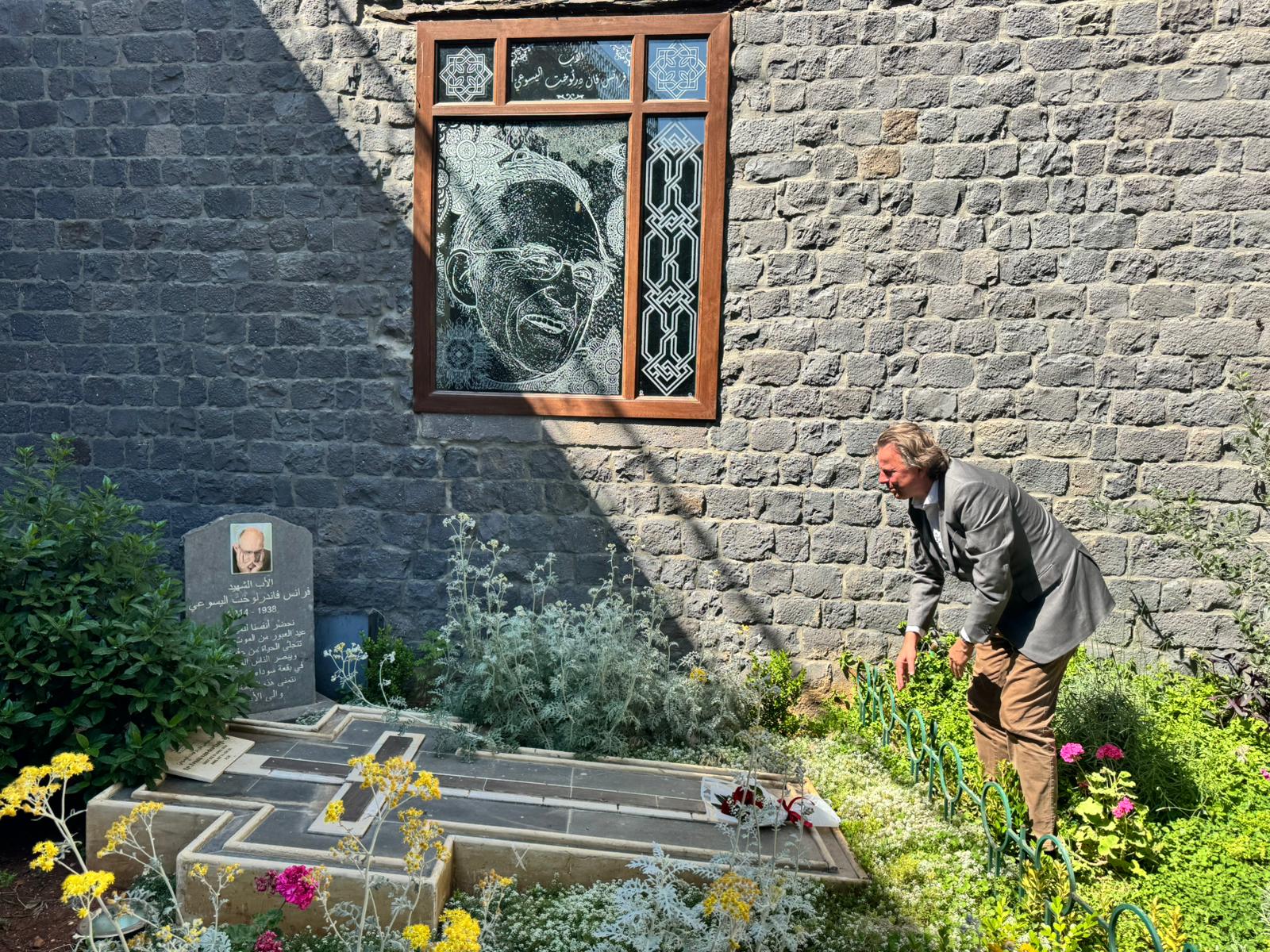
Amid the meetings and dialogues, the delegation paused in Homs, where Du Pont and Koenders laid flowers on the grave of Father Frans van der Lugt, the Dutch Jesuit who chose to remain with the people of Syria through the war's darkest years, serving Muslims and Christians alike until his assassination in 2014. The flowers were also laid on behalf of Petra Stienen, who had walked alongside Father Frans during her years as a Dutch diplomat and who wrote a tribute in his memory.
Father Frans was known for insisting that, before any of us are Christian, Muslim, Syrian, or Dutch, we are above all human beings, and for refusing to see division where others saw enemies. For the delegation, the visit was a reminder that the same conviction underpins the rest of the week's work: that Syrians, across every community, are capable of building their own future, and that the role of outside partners is to walk alongside them, not ahead of them.
The Road Ahead
Taken together, the week told one story. Syria's recovery will depend on serious private sector reform and investment, but it will also be built one trained welder, one new agribusiness, one software developer, one solar technician, and one university partnership at a time, led by Syrians who know their communities best. The challenge is enormous and the opportunity historic, but as Du Pont noted, the window for meaningful reform will not stay open indefinitely. GlocalShift's call to the international community is straightforward: support this Syrian-led model, fund it, and trust it. Building Syria, together, starts now.
.jpeg)

.jpg)